3.8 Horticulture and Potatoes
3.8 Horticulture and Potatoes
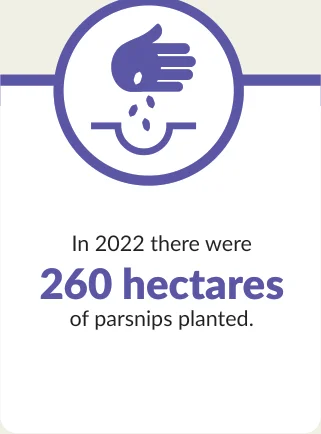
Figure from page 142
In 2022, 99% of mushroom exported from Ireland were to the
The estimated value of
In 2022 there were 260 hectares of parsnips planted.
horticulture output at farm-gate in 2022 was €531 million.
United Kingdom.

Figure from page 142
General Market Situation Ireland 2022 Rise in input costs
2022 was a particularly challenging year for the horticulture and potato sector. This was due to the significant rise in input costs which affected each sub-sector within horticulture. Factors driving rising costs are labour, packaging, energy, fertiliser, growing media, and transport. Labour is a key input in the horticulture sector and represents on average 40% of the total input costs for most sub-sectors. Prices for inputs remained volatile in 2022, but some energy costs began to decrease towards the end of 2022.
Energy costs as an input were at least 100% (dependent on the energy source), more expensive than in 2021. This rise in energy prices was a particular concern for horticulture enterprises growing crops indoors, for example in glasshouses and protected greenhouse structures. Although as in 2021 some price increases were negotiated in 2022 for produce, these increases were quickly eroded by input cost increases.
Due to rising input costs and increasingly small margins for profit some primary producers left the horticulture sector in 2022 and it is expected more will leave in 2023.
The protected crop sector was by far the sub-sector hit hardest by the increase in input costs, most notably growers who use gas to produce a crop which requires a warm environment to grow.
It was a good year for apple production and yields were high both for culinary and eating apples. Yield in the potato sector was lower than 2021 due to a dry summer and then difficult harvesting conditions due to high rainfall. Volumes produced for field vegetables decreased in 2022, as some operations scaled back to reduce inputs and thus costs. Mushroom production had a difficult year and this was in the main due to high input costs, but also due to a decrease in retail demand for the produce.
Amenity horticulture had a reasonable year. Market demand softened when compared with an exceptional 2021. This can be attributed to poor weather across a number of the bank holiday weekends, the pent-up demand for gardeners to travel as a result of the COVID restrictions in previous years, and a surplus of product on the market from an expansion of production capacity both domestically and on the continent. In general growers are coping relatively well with the rebalancing of the market and are looking at investing in their operations in the years ahead. There is concern over rising input costs and growers are particularly worried about recruiting and retaining personnel.
Production 2022 Mushrooms
2022 was a difficult year for mushroom growers due to a decrease in demand for mushrooms. The cost of production also increased causing further difficulty, including increases in the cost of labour, energy, packaging and growing media. Growers managed to negotiate price increases to help mitigate the rise in input costs. Both the value and volume of mushrooms exported dropped in 2022 for the first time in a number of years, with value down 35% and volume down 23% compared to 2021. Over 99% of mushroom exports are to the United Kingdom.
€180
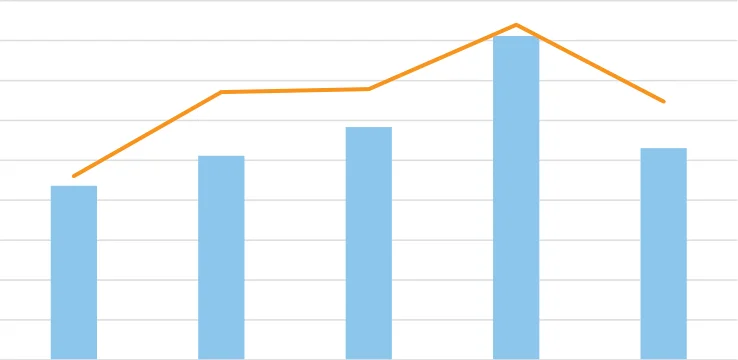
Figure 3.28 Value and Volume of Mushrooms Exported 2018 - 2022
€160
50
€140
Thousands of tonnes
€120
40
Million €
€100
30
€80
€60
20
€40
10
€20
€0
0 2018 2019 2020 2021 2022
€Million Tonnes
Source: CSO
Protected Crop
Significant challenges were felt by this sector, mainly due to the ongoing increases in energy prices. Natural gas prices were particularly impacted with wholesale prices in the range of 300% higher than prices typically seen in January. Prices for natural gas continued to soar following the illegal Russian invasion of Ukraine, prices of up to and exceeding 500% more than expected were reported. As much of the crops for 2022 were already ordered, there was limited possibility of delaying planting to reduce energy usage. Some who could delay did this to sustain their businesses. Some negotiated price increases helped with the increasing energy costs but given the enormity of the increases in energy this was not sufficient to cover the difference. Overall, 2022 was a particularly challenging year for this sector.
Field Vegetables
Volume produced decreased in 2022 which was mainly due to a decrease in hectarage. The decrease was due to caution from growers as a result of labour shortages and input price increases. A price increase of between 5% and 20% was obtained depending on the crop type and this helped to lessen the effect of the increased input costs.
Soft Fruit and Top Fruit
In 2022, the situation with soft fruit was similar to 2021, with some soft fruit growers achieving price increases to help with the increase of input costs. The absence of late frosts in 2022 meant a return to normal yield after two poor years.
Nursery Stock
The nursery sector had a reasonable year in 2022. Demand for product in the market eased when compared with 2021, which had been exceptional as a result of COVID-19. Output in value was similar to 2021, but rising input costs have put pressure on profit margins. Growers cite sourcing and retaining labour as a constant challenge, and in some cases as a limiting factor in expanding operations.
Potato sector
Prices were similar to 2021. Hectarage under production decreased slightly and coupled with a dry summer and heavy rainfall during harvest, resulted in a decrease of overall volume compared to 2021. Rooster is still the main variety grown and it represents 56% of the overall production area. There was an increase in the production area for salad, white and chipping varieties in 2022.
Table 3.16 Horticulture Output Estimates Value at Farm-gate, 2021 - 2022
| Summary 2021 2022 Change € Million € Million 2022-2021 | |||
|---|---|---|---|
| Edible Protected crops | €80.04 | €88.13 | 10.11% |
| Field crops | €84.37 | €89.43 | 6.00% |
| Outdoor soft fruit | €0.76 | €0.79 | 5.03% |
| Top fruit | €7.04 | €9.49 | 34.84% |
| Amenity | €97.63 | €99.70 | 2.11% |
| Potatoes | €116.92 | €107.20 | -8.32% |
| Mushrooms | €127.72 | €129.89 | 1.70% |
| Sub- total | €514.47 | €524.62 | 1.97% |
| Honey | €2.22 | €2.22 | 0.00% |
| Sprouted seeds | €4.50 | €4.50 | 0.00% |
| Grand total | €521.19 | €531.35 | 1.95% |
Source: DAFM
Prices 2022
2022 was a particularly difficult year for primary producers in horticulture, this was in the main due to the spiralling increases of input costs. Although, as in 2021, price increases of between 5% and 20% were negotiated across the sub-sectors of horticulture, these increases were primarily to compensate for input cost increases and did not lead to any increase in the profit margins of the producers.
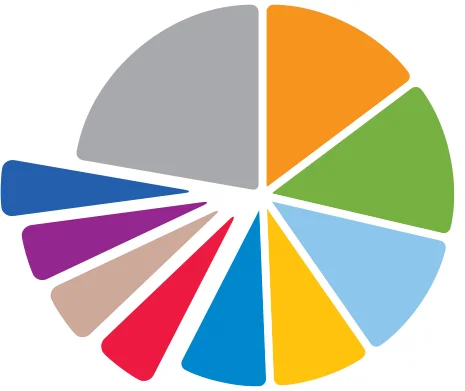
Figure 3.29 Area in Hectares of Selected Vegetables Planted in 2022
nCarrots 790
n Peas 743
n Kale 626
n Broccoli 484
n Cabbage 438
n Turnips 286
n Swede 273
n Cauliflowers 262
n Parsnips 260
n Other Vegetables 1,192
Source: DAFM Basic Payment Scheme - Crop Areas
Figure from page 146
“
In response to some of the
challenges being faced by primary producers of horticulture the Horticulture Exceptional Payment Scheme
(HEPS) was introduced as a support measure that was provided in the form of a onceoff payment to growers in those
horticulture sub-sectors most affected by the illegal Russian
invasion of Ukraine.
Sustainability Investments in climate action measures were significant again in 2022, accelerated by the rising input costs associated with energy. Conversion to more efficient lighting systems; increasing insulation on mushroom tunnels; commissioning of photovoltaic systems; and the purchase of equipment to facilitate precision agriculture (precision sprayers for example), were some of the projects undertaken at farm level. Producers have also conducted energy audits on site with a view to future-proofing operations by highlighting areas where targeted investments can reduce energy inputs.
The mushroom sector continued to invest in research and development of alternative growing media to identify solutions that are economically and environmentally sustainable.
The trialling of a carbon foot printing tool for use specifically across certain horticultural subsectors in Ireland began its scoping phase in 2022. This is with a view to trialling it in 2023 to obtain sustainability metrics for the primary production of horticulture in Ireland. The data produced from such a tool would allow growers and policy makers to understand where improvements can be made and boost its environmental sustainability credentials. This type of data is becoming increasingly important for all primary producers. Growers see this as an important selling point for produce, with some pursuing carbon neutral production systems as a unique selling point to customers.
Financial Assistance In response to some of the challenges being faced by primary producers of horticulture the Horticulture Exceptional Payment Scheme (HEPS) was introduced as a support measure that was provided in the form of a once-off payment to growers in those horticulture sub-sectors most affected by the illegal Russian invasion of Ukraine.
HEPS was targeted at those horticulture subsectors identified at the time as at significant risk of losses that would jeopardise the viability of the businesses. The subsectors at most risk that were included under this Scheme included commercial growers in the glasshouse high-wire crops (peppers, tomatoes and cucumbers only), field vegetable, mushroom and apple sectors. It was designed to ensure the short-term security and thus the long-term viability of these sectors. The Scheme had a fund of €2.8 million to address the challenges that were threatening the viability and sustainability of certain subsectors.
In response to the shortage of seed potatoes the 2022-2023 Scheme of Investment Aid for the Seed Potato Sector was launched in 2022. The Scheme aims to help accelerate the development of capacity within the seed potato sector and aid improvements in the production, storage and marketing infrastructure of seed potatoes by providing grant assistance to producers towards the capital cost of specialized equipment and facilities.
The Scheme, which is worth €3 million over 2022 and 2023, and is funded utilising funding under Ireland’s allocation from the Brexit Adjustment Reserve Fund (BAR).
Highlights
Very strong investment in solar PV through the EU Producer Organisation scheme M (administered by DAFM), as growers try to make their operations more sustainable and insulate themselves from the volatility in energy markets.
The amenity sector had a reasonable year although demand was down on 2021. M
In 2022, funding of €4.2 million was provided to Irish fruit and vegetable growers M through the EU Fruit and Vegetable Producer Organisation Scheme administered by DAFM. The Scheme of investment aid for the development of the commercial horticulture sector provides grants at a rate of 40% for capital investments and €6.8 million was paid to horticulture producers in 2022.
Following the commissioning by DAFM of KPMG to carry out a report on the M horticulture sector in 2021, Opportunities for the Irish Horticulture Sector was published in July 2022. This report identified more than eighty cross-cutting factors and sector-specific actions that could encourage growth of the sector. Public and sector consultation took place on this report from July until December 2022. The results from this consultation, together with the overall ambition and vision agreed with the Horticulture Industry Forum steering committee, has informed a framework for a National Horticulture Strategy that will be published in 2023.
Challenges
Input costs have significantly increased for labour, energy, fertiliser, packaging, M casing/growing media and plant protection products. Based on information collated by Teagasc, input cost increases in 2022, as in 2021, has in many cases exceeded grower margins. Growers will be unable to absorb further increased costs without further increases in what they are paid for their produce. Growers may be forced to leave the market, with a number already choosing to reduce their operations to limit their exposure.
The sourcing of labour and retention is a perennial challenge for growers, with the M potential to become even more of an issue as the labour market tightens.
Shortage of seed potatoes due to a change in phytosanitary requirements as a result M of Brexit.
Ireland Outlook
The immediate concern for Irish horticulture producers is the effects of increased M commodity prices in 2022, particularly inputs such as fuel, energy, and fertilisers. This has increased the uncertainty for horticulture producers in assessing the profitability of produce they plan to sow, making forward planning difficult.
Pages 142–148 · View in original PDF