3.3 Cattle
3.3 Cattle
The average deadweight price for R3 Steers in 2022
The average cold carcase weight for a
Beef worth over €3.05 billion
was €4.77/kg, up 17% on the 2021
steer in 2022 was 350 kilos.
or 492,000 tonnes, was
exported in 2022.
price of price of €4.08/kg.
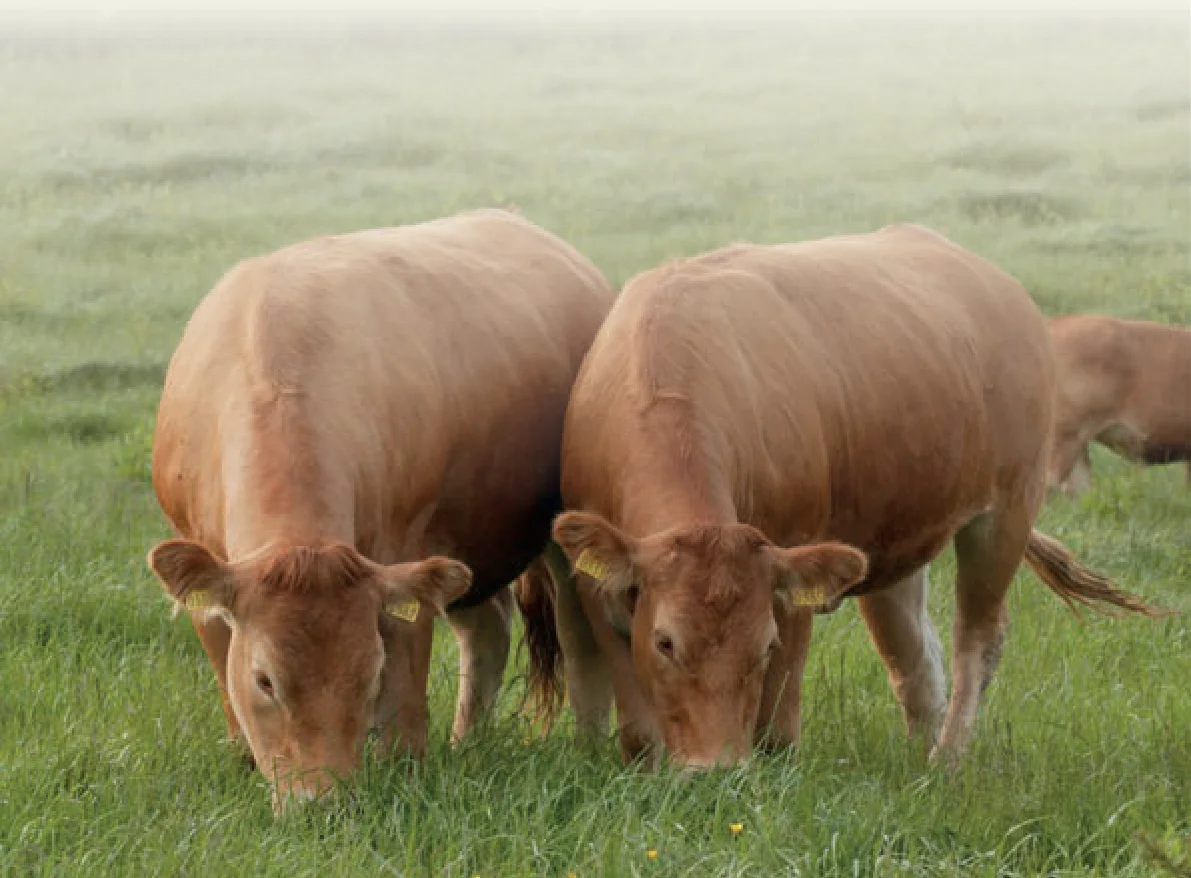
Figure from page 101
General Market Situation in Ireland 2022 In 2022, the value of Irish beef exports increased by €620 million, or 25%, to reach €3.05 billion. Export volumes also increased by 36,000 tonnes, or 8%, to over 492,000 tonnes.
The United Kingdom accounted for 43% of Irish beef exports in both value and volume terms. EU markets accounted for 50% of exports by value and 45% by volume. The Philippines, Switzerland and Japan were the main non United Kingdom and EU27 markets, accounting for 4% of the remaining 7% export value.
The principal EU markets in order of value were France, Italy, the Netherlands and Germany, while in order of volume they were France, Netherlands, Italy, Sweden and Germany. Spain, Denmark and Belgium were also important destinations, along with Portugal and Poland.
Table 3.4 Top 5 Beef Export Destinations 2022
| Rank Country € Million Tonnes | |||
|---|---|---|---|
| 1 | United Kingdom | €1,312 | 211,077 |
| 2 | France | €393 | 62,377 |
| 3 | Italy | €250 | 29,498 |
| 4 | The Netherlands | €242 | 36,961 |
| 5 | Germany | €173 | 20,987 |
Source: CSO
In terms of live cattle exports, a total of 286,300 head were exported in 2022, which was an increase of 38,700 head, or 16%, on the 2021 figure. Of the cattle exported live in 2022, 219,000 (77%) were male. The Netherlands was the destination for 40% of these male cattle, with 25% going to Spain, 10% to Italy and 9% to Northern Ireland. Of the 67,200 female cattle exported live, 28,500, or 42%, went to Northern Ireland, 17,500, or 26%, went to Spain with 14% going to the Netherlands and 11% to Italy. There were 209,000 cattle under one year exported, of which 56% were holstein freisian breed with a further 23% angus cattle. According to the AIM Bovine Statistics Report 2022, 2.44 million calves were born during 2022 with 1.56 million sired by a beef bull. Cork county had the most births at 452,300 or 18% of total births.
The Output value of the cattle sector in 2022 was €3,027 million, an increase of 17% on the previous year, while numbers dropped by 3%.
Table 3.5 Output Value (€m) and Numbers (‘000s) of Cattle and Calves, 2021/2022
| 2021 Value €m Number ‘000 | 2022 | |||
|---|---|---|---|---|
| Value €m | Number ‘000 | Value €m | Number ‘000 | |
| Live Exports | 104.57 | 247 | 127.34 | 285 |
| Slaughterings | 2,370.31 | 1,792 | 2,910.41 | 1,912 |
| Levies | 16.57 | 17.86 | ||
| Total Disposals | 2,491.46 | 2,040 | 3,055.60 | 2,196 |
| Imports | 6.82 | 8 | 6.77 | 6 |
| Changes in Stocks | 96.09 | 120 | -21.99 | -97 |
| Total | 2,580.72 | 2,152 | 3,026.84 | 2,093 |
Source: CSO
General Market Situation in EU 2022 EU beef production decreased in 2022 by almost 3%, which was more than previously estimated. Among the largest producing countries, Germany declined the most followed by France and Poland. However, Spain and Ireland continued to increase production, while Italian production remained relatively stable.
According to the European Commission, Short-term Outlook spring 2023 edition the number of suckler cows in the EU declined for the third year in succession, by an additional 240,000 head or 2.3%. At the same time, the decline of dairy cows was lower than expected, which prevented an even greater production drop. The number of male bovine cattle for slaughtering between 1 and 2 years also decreased, by 2.2%, which will have implications for beef availability in 2023.
The EU Commission in their summer edition expects that EU per capita beef consumption could be around 10 kg, or 1.7%, below last year. To some extent, this could be due to reduced consumer purchases caused by inflation.
Prices 2022 The average deadweight price for R3 Steers in 2022 was €4.77/kg. The average peaked in June at €5.33/kg and was at its lowest point in early January at €4.29.
580
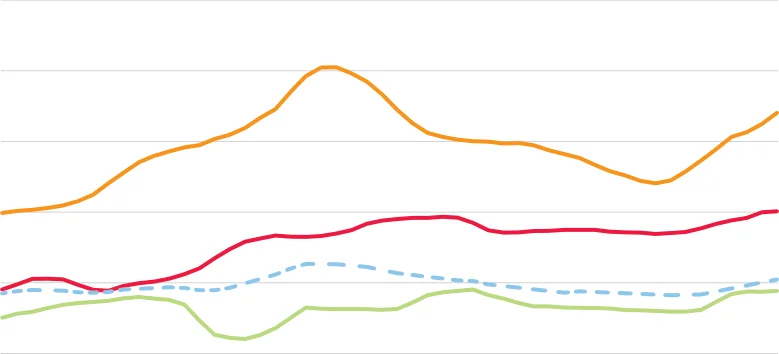
Figure 3.9 Deadweight R3 Steer Prices, 2018 – 2022 (Cent per kg) (Non-Zero Axis)
530
Cent Per Kg
480
430
380
330
July
January
February
May
September
October
November
December
June
March
April
August
2022 2021 2020 Ave. 2018-21
Source: Department of Agriculture, Food and the Marine, Meat Market Report
Slaughterings 2022 The total number of cattle slaughtered at DAFM-approved plants in 2022 was 1.82 million, which represents a 7.9% increase on the 2021 level of 1.69 million. An additional 90,800 cattle were slaughtered at Local Authority approved abattoirs (down from 105,100 in 2021), bringing the total number of cattle slaughtered in 2022 to 1.91 million. This compares to a total of 1.79 million in 2021, an increase of 6.6%.
800,000
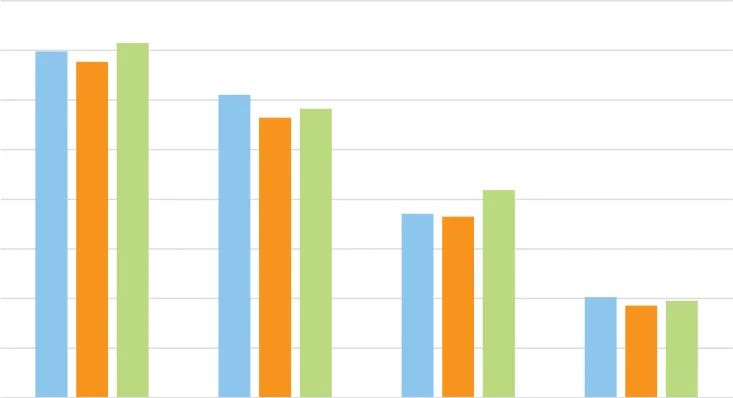
Figure 3.10 Total Bovines Slaughtered by Type, 2020 - 2022
700,000
600,000
Head of Cattle
500,000
400,000
300,000
200,000
100,000
0
Steers Heifers Cows Other
2020 2021 2022
Source: CSO
Figure from page 104
Close to three in ten of all bovines slaughtered at DAFM-approved plants during 2022 were holstein friesian breed at 527,200 head, up 17% on 450,350 in 2021. Limousine breed cattle accounting for less than one fifth of slaughterings at 325,150, while angus (17%), charolais (14%) and hereford (12%) made the up the vast majority of other cattle breeds slaughtered at DAFM-approved plants in 2022. A similar number of male and female cattle are slaughtered in DAFM-approved plants. However, in Local Authority approved abattoirs, close to three quarters of the animals slaughtered were female, with one quarter of them of limousine breed, 18% hereford, 16% charolais and 15% angus.
According to the Beef Carcase Classification & Price Reporting Annual Report 2022 the average cold carcase weight for a steer in 2022 was 350kg, down from 356kg in 2021 and 360kg in 2020. Over the past 10 years the average weight has been 354 kg. The average cold carcase weight for heifers in 2022 was 310kg and, similar to the steers, was down on 2021 when it was 313kg and 318kg in 2020. The average weight over the past 10 years for heifers is 311kg.
Figure 3.11 Cattle Slaughtered at DAFM approved Slaughter Plants by Breed 2022
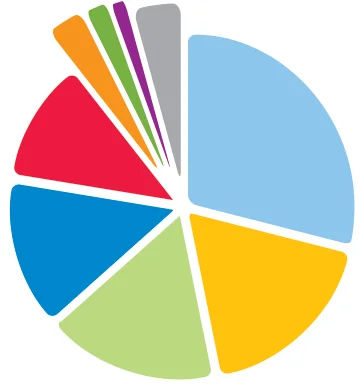
Figure 3.12 Proportion of Total EU27 Bovine Slaughtering by Member State, 2022
n Holstein/Friesian 29%
n Limousin 18%
n Angus 17%
n Charolais 14%
n Hereford 12%
n Simental 3%
n Belgian Blue 2%
n Jersey 1%
n Other 4%
Source: DAFM AIM Bovine Statistics Report 2022
According to Eurostat, 621,420 tonnes of Irish bovine meat was produced in 2022, accounting for 9.4% of total EU27 slaughtering. France slaughtered the largest quantity of bovine meat, at 1.36 million tonnes, accounting for 21% of EU27 total, followed by Germany at 15%, Italy and Spain at 11%, Ireland at 9% and Poland at 8%.
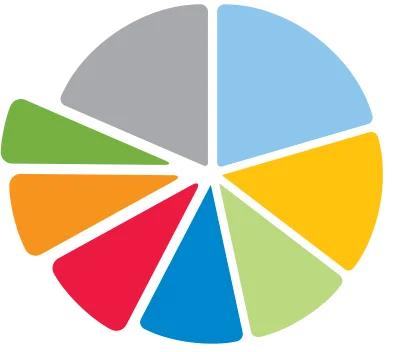
Figure 3.12 Proportion of Total EU27 Bovine Slaughtering by Member State, 2022
n France 21%
n Germany 15%
n Italy 11%
n Spain 11%
n Ireland 9%
n Poland 8%
n Netherlands 6%
n Other 19%
Source: Eurostat
New Markets 2022 China
A countrywide ban on Irish beef exports was imposed by China customs in May 2020 following the detection of an isolated case of atypical BSE. In January 2023, after intensive engagement at technical, diplomatic and political levels, DAFM was advised of the resumption of Irish beef exports to China with immediate effect.
Singapore
An updated veterinary health certificate (VHC), which enhanced access for Irish beef and beef products to Singapore, was published in February 2022.
Saudi Arabia
A revised VHC enhancing access, by removing the age limit on Irish beef exports, was announced in April 2022.
Philippines
Industry was advised in June 2022 that the bilateral VHC had been updated to reflect Ireland’s improved BSE risk status and align it with EU rules on specified risk material.
Cambodia
Agreement on a bilateral VHC to accompany exports of fresh/chilled/frozen meat, minced meat, meat preparations and meat products derived from cattle, sheep and swine was announced in December 2022.
Sustainability There is an increasing demand from consumers for meat which is produced sustainably. DAFM overseas trade missions, and Bord Bia marketing and promotional activities highlight the grassfed, low carbon nature of production systems prevalent in Ireland.
Beef and sheep farming account for the majority of farm enterprises in Ireland and contribute significantly to social and economic sustainability of rural areas. Most are heavily reliant on direct payment supports and economic viability is very often challenging. While many farms operate extensive grazing systems, there is potential for improvement in productivity and competitiveness, while also addressing environmental impacts.
The Food Vision Beef & Sheepmeat Group was established to advance the actions for the beef and sheep sectors identified in the Food Vision 2030 strategy, taking account of the requirement for the sectors to contribute to achieving the targets set for the agriculture and land use sector in the Climate Action Plan 2023.
The Group’s initial task was to report to the Minister setting out how emissions associated with the beef sector can be reduced. This report was submitted at the end of November 2022 and its publication was timely as it then served to inform the Climate Action Plan 2023, which was launched in December 2022.
DAFM has launched three support schemes to date in 2023 to enhance the economic and environmental sustainability of the beef sector.
The Suckler Carbon Efficiency Programme (SCEP) supports beef farmers in undertaking various actions to improve the environmental sustainability of the national beef herd. These actions include maintaining a proportion of high genetic merit animals on their holdings, pursuing a targeted female replacement strategy, genotyping selected animals and the submission of weighing data on animals born on the holding. The SCEP aims to build on the gains achieved in recent years by previous schemes, such as the Beef Data and Genomics Programme, in improving the genetic merit of the Irish suckler herd.
The National Dairy Beef Welfare Scheme supports farmers who are rearing progeny from the dairy herd to make better decisions through better quality data on herd performance. The policy objective is to increase the economic and environmental efficiency of the beef from the dairy herd, and to facilitate further the integration of the dairy and beef sectors. Participants must weigh a minimum of five eligible calves and submit weights to the Irish Cattle Breeding Federation. The objective of the National Beef Welfare Scheme is to further increase the economic efficiency of and enhance animal health and husbandry on suckler farms. Participants must arrange testing for IBR in their herds and carry out meal feeding of calves before and after weaning.
Highlights
The value of beef exports in 2022 increased by 25%, to reach €3.05 billion. Export M volumes increased by 8%, to over 492,000 tonnes for the year.
In 2022, the average price of R3 steers was €4.77/kg, which was 17% above the 2021 M average price of €4.08/kg.
The total number of cattle slaughtered at both DAFM approved and Local Authority M meat plants in 2022 was 1.91 million, which represents a 6.6% increase on 2021 levels of 1.79 million.
Challenges
According to the 2022 Teagasc National Farm Survey Preliminary Results, the market M income (before direct payments are included) is less than zero on cattle rearing farms, meaning that on average, these farms do not make a profit from production and are heavily dependent on financial support. Although average direct payments are lowest on these cattle rearing farms, the reliance on these payments and their overall contribution to Family Farm Income (FFI) was highest at 152% in 2022. This indicates that the average suckler farm used over €4,900 of their total direct payments of €14,309 over the course of the year to cover the farm’s operating loss.
Reliance on direct payments continued to be comparatively lower (although still high) M on the average cattle finishing farm in 2022, with a ratio of direct payments to FFI of 86%.
While the number of cattle farmers having debt is relatively low at 27% of cattle other M farms and 35% of cattle rearing farms, those who are carrying debt have a relatively high debt to income ratio at about 2.13 compared to other farm systems such as dairy, where the debt to income ratio is 0.77.
It should be noted that 44% of cattle rearing and finishing farm-holders also worked M off-farm in 2022.
Based on this Teagasc analysis, viability varies across production systems but M performance on drystock systems remains challenging. Over a third of cattle rearing farms (36%) were classified as vulnerable and a similar level (35%) of cattle finishing farms were classified as vulnerable in 2022.
| “ For 2023 overall, EU beef supply is expected to be 2% lower mainly due to a reduction in the size of both the dairy and beef cow herds. 100 | |
|---|---|
| Chapter THREE nd the Marine 2023 | |
| for Agriculture, Food a Annual Review and Outlook | |
| 10 | |
Ireland Outlook Beef Prices
In the first half of 2023, Irish finished cattle prices were 9% higher than in the first M half of 2022. In 2023, Irish finished cattle, weanling and store prices are forecast to increase by 5% relative to 2022.
United Kingdom prices are expected to increase in 2023 largely due to the contraction M in UK beef supply being ahead of the decline in UK consumer demand.
Farm Income
Teagasc is forecasting that Family Farm Income (FFI) on cattle rearing farms will M increase by 15% on cattle rearing farms in 2023 and 5% on cattle finishing farms.
Production
Irish prime beef production in the first half of 2023 was approximately 4% lower than M in the first half of 2022. For 2023 as a whole, Irish prime beef production is forecast to decrease by 2% compared to 2022.
Beef production is expected to peak in the third quarter of 2023 as high feed prices M may delay cattle finishing on some farms.
Input Costs
According to Teagasc, feed prices remain high, but fertiliser prices have declined in M the first half of 2023, although remaining well above historical levels.
While direct costs are forecast to be 2% lower in 2023, overhead costs are forecast M to be 2% higher.
Total costs of production on cattle rearing and finishing enterprises are expected to M be unchanged in 2023.
EU Outlook Supply
EU beef supply declined by almost 4% in the first quarter of 2023 relative to same M period in 2022. For 2023 overall, EU beef supply is expected to be 2% lower mainly due to a reduction in the size of both the dairy and beef cow herds.
EU beef exports are expected to decrease by 5% because of more competition in M high-value markets and higher EU prices. EU imports of beef are expected to increase in 2023.
United Kingdom beef production is expected to be almost 2% lower in 2023 relative M to 2022. Ireland is the largest supplier of beef to the United Kingdom, with Irish product continuing to be a mainstay in that market.
Demand
Total EU domestic use of beef is forecast to be lower in 2023 relative to 2022, as high M inflation, particularly in meat prices, is negatively affecting consumer demand in the EU and United Kingdom.
Low economic growth in the United Kingdom impacts negatively on demand for M beef. However, EU demand and higher prices for other meats should support United Kingdom beef prices.
Pages 101–109 · View in original PDF