3.2 million
€147 million
in 2022.
of €4.60 in 2019.
Figure from page 110
General Market Situation Sheepmeat exports
Sheepmeat export values increased in 2022 by 18% or €69 million, from €386 million in 2021 to €455 million in 2022. Volume grew by 8,200 tonnes, from 58,250 tonnes in 2021 to 66,450 tonnes an increase of 14%.
While Ireland exported sheepmeat to more than 30 countries, the top ten countries accounted for 95% of the volume and 97% of the value of exports. France accounted for just less than one-third of all sheepmeat exports with 20,750 tonnes valued at €147 million. Germany was the second largest market valued at €78 million, while the United Kingdom was in third place. Sweden, Switzerland, Belgium, the Netherlands, Italy, Denmark and Canada completed the top ten destinations for our sheepmeat exports.
Table 3.6 Top 5 Sheepmeat Export Destinations 2022
| Rank Country € Million Tonnes | |||
|---|---|---|---|
| 1 | France | €146.8 | 76,442 |
| 2 | Germany | €77.7 | 60,145 |
| 3 | United Kingdom | €57.6 | 22,649 |
| 4 | Sweden | €47.5 | 19,764 |
| 5 | Switzerland | €31.6 | 16,187 |
Source: CSO
Exports of sheepmeat to the United Kingdom, which had declined by about 40% in volume between 2019 and 2021, recovered slightly in 2022 with export volumes up 16% to 10,600 tonnes, but still well below the 14,800 tonnes exported there in 2019.
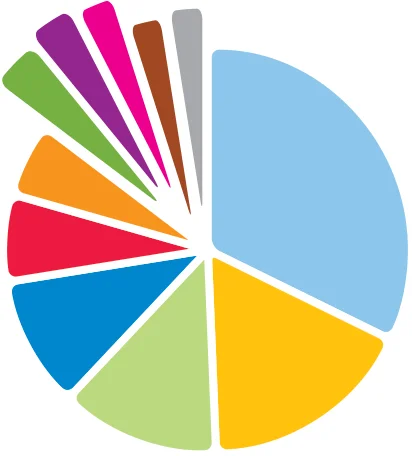
Figure 3.13 Proportion of Sheepmeat Exports by Country 2022
n France 32%
n Germany 17%
n United Kingdom 13%
n Sweden 10%
n Switzerland 7%
n Belgium 6%
n Netherlands 4%
n Italy 3%
n Denmark 3%
nCanada 2%
n Other 3%
Source: CSO
Live Sheep Trade Live sheep exports decreased by 35% in 2022, with a total of 13,000 animals exported in comparison to around 20,000 sheep in the previous year. The largest export market destination in 2022 was France, with some 7,600 animals exported, down from 13,200 in 2021. Northern Ireland, the Netherlands and Italy are the main destinations for live sheep exports, along with France, where about 60% of the live sheep exports go. Ireland imports a large number of sheep and in 2022 a total of 422,160 animals were imported, almost all from Northern Ireland.
14,000
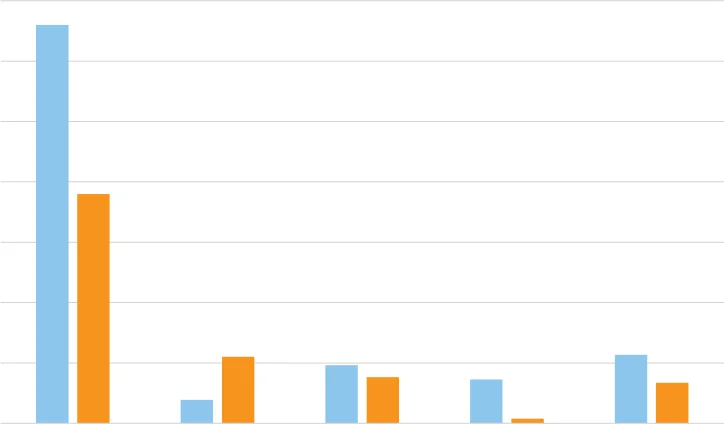
Fig 3.14 Live Sheep Exports by Country 2021 and 2022
12,000
10,000
Head of sheep
8,000
6,000
4,000
2,000
France Northern
The Netherlands
Italy Other
Ireland
2021 2022
Source: DAFM, Meat Market Report
Output Value The output value of the sheep and lamb sector in 2022 was €377 million, a 3% increase on 2021 output figures, while sheep numbers remained relatively static. Live exports of sheep and lambs were down by 35% in 2022 compared to a year earlier while live imports were up 15%.
Table 3.7 Output Value (€m) and Numbers (‘000s) of Sheep and Lambs, 2021/2022
| 2021 Value €m Number ‘000 | 2022 | |||
|---|---|---|---|---|
| Value €m | Number ‘000 | Value €m | Number ‘000 | |
| Live Exports | 2.46 | 20 | 1.67 | 13 |
| Slaughterings | 391.83 | 2,972 | 431.68 | 3,197 |
| Total Disposals | 394.30 | 2,991 | 433.35 | 3,210 |
| Imports | 45.92 | 368 | 54.75 | 422 |
| Changes in Stocks | 18.94 | 149 | -1.33 | -8 |
| Total | 367.32 | 2,773 | 377.27 | 2,779 |
Source: CSO
Figure from page 113
Sheep Slaughtering According to the CSO Livestock Slaughtering data, sheep slaughtering increased by 7.6% in 2022 to 3.2 million head, of which 85% or 2.7 million were lambs. Similar to cattle, sheep can be slaughtered either in DAFM-approved plants or in Local Authority approved abattoirs. In the DAFM approved plants, slaughtering increased by 7% in 2022 to 2.92 million head comprised of 1.63 million spring lambs (56%), 0.91 million hoggets (31%), with the balance comprising of 0.39 million ewes and rams.
80,000 75,000 70,000 65,000 60,000 55,000 50,000 45,000 40,000 35,000 30,000
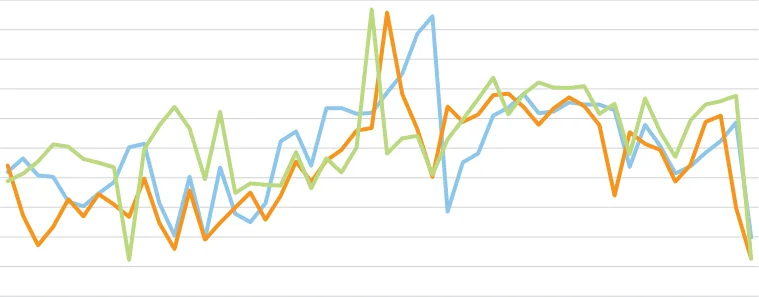
Figure 3.15 Weekly Sheep Slaughter Levels at DAFM Approved Slaughter plants 2020-2022
Head of Sheep
July
January
February
May
October
November
December
September
June
March
April
August
Source: DAFM, Meat Market Report
Prices In line with other systems, there was a sharp increase in production costs on sheep farms in 2022. Direct costs increased by 22%, while overhead costs rose by 26%, In terms of direct costs, the largest component, expenditure on concentrate feed, increased by 27% in 2022.
The national average sheepmeat price of €6.79c/kg in 2022 was 2% above the 2021 average price of 6.64c/kg. The higher Irish price in 2022 reflects higher prices in the EU for heavy lamb, which are expected to persist into the medium term. Lamb prices in 2022, when compared to the previous two-year average prices remained at levels, well ahead of 2021, 2020 and earlier years.
€8.00
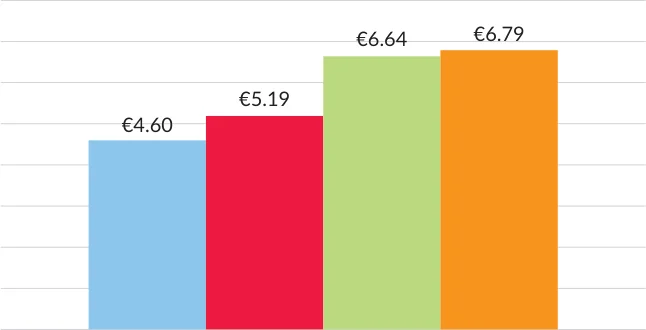
Figure 3.16 Ave Sheep Prices 2019 - 2022
€6.79
€7.00
€6.00
2019
Price Per Kilo
€5.00
2020
€4.00
2021
€3.00
2022
€2.00
€1.00
€0.00
Source: DAFM, Meat Market Report
Figure from page 114
EU Markets EU heavy lamb prices remained at unprecedented high levels in 2022, fluctuating between €7 and €7.50 per kg. After falling at the beginning of the year, prices again reached record levels during Easter until the beginning of July, followed by a slight decline. The main reason for the high price level was low domestic supply and a sustained demand within the EU.
In 2022, the EU production of sheep and goat meat decreased by 0.6% as Ireland and Romania increased slaughterings, while other major producers reported noteworthy decreases. EU imports of sheep meat increased by almost 23% in 2022 with New Zealand, the United Kingdom and Australia the main sources. Increased imports from New Zealand are also expected in 2023 because of lower Chinese demand and less logistical hurdles. Overall, EU imports could grow by additional 8%, boosted by more competitive United Kingdom and Australian shipments.
Sustainability Based on the results of the most recent National Sheep and Goat Census, a total of 4.01 million sheep were kept across 42,215 active registered herds in the country at the end December 2022. Of those respondent active herds, sheep were kept on 35,555 at the time of the census.
Sheep farming contributes to both economic and environmental sustainability, particularly on more marginal land, with sheep grazing being an important land-management tool in parts of the country where land usage options are relatively limited.
Animal welfare is important for sustainability. Funded under Ireland’s CAP Strategic Plan, the Sheep Improvement Scheme supports sheep farmers in carrying out specific management actions, which exceed mandatory measures, to improve animal health and welfare in their flocks. The targeted welfare areas include lameness control, parasite control, flystrike control, genetic improvement and appropriate supplementation. Beginning in 2023, it replaced the Sheep Welfare Scheme with an increased payment rate of €12 per eligible breeding ewe for completing flock welfare measures on a renewable annual contract over a maximum of five years.
The Scheme allows for the collection and generation of valuable data on welfare statistics and practices in sheep farming in Ireland. The data generated by this Scheme makes a significant contribution to the Irish sheep industry in terms of its ability to provide large-scale data on welfare in Irish flocks.
In terms of economic sustainability, according to Teagasc National Farm Survey 2022 Preliminary Results survey data, 22% of sheep farms were viable in 2022. The proportion of sheep farms found to be sustainable was 42%, with 36% classed as vulnerable. Some 45% of sheep farmers are also employed off-farm and in 59% of sheep farm households, either the farm holder or spouse is employed off-farm.
New Markets 2022 Europe continues to be the main market outlet for Irish sheepmeat; however securing access to the widest range of potential markets continues to be a key priority. DAFM and Bord Bia continue to engage closely with sheepmeat processors in developing market access.
Highlights
In 2022, the value of sheepmeat exports increased by €68 million, or 18%, to reach M €454 million. Export volumes likewise increased by 14% to over 66,000 tonnes for the year.
The average 2022 price of €6.79c/kg was 2.2% above the 2021 average price of M €6.64c/kg. This was the continuation of an upward trend evident since 2019, when the average annual sheep price was €4.60c/kg.
Slaughtering increased by 7% in 2022 to 2.92 million sheep, of which with 1.63 million M head were spring lambs.
Challenges
Lamb is a high cost protein relative to beef, pork and chicken and is therefore more M exposed to changes in consumer behaviour, both in the domestic market and in key export markets. According to Bord Bia, domestic consumption of lamb accounts for approximately 15% of total sheepmeat production with the balance being exported, primarily to Europe. This dependency on exports leaves the Irish sheep sector more exposed to shifts in the global marketplace than some of our European competitors who are much more focused on domestic markets.
Increasing global competition generally will be a challenge for the Irish sheepmeat M sector in the longer term, as countries such as New Zealand and Australia dominate the global market. A significant gap between EU prices and those in New Zealand and Australia will remain, reflecting the lower production and labour costs of those two countries, and lower pressure from the world market according to the EU Agricultural Outlook. The price attractiveness of the EU market is likely to lead to increased imports (+12%) particularly from traditional suppliers such as New Zealand and the United Kingdom.
Irish sheep farms have experienced a 5% fall in lamb prices so far in 2023 and, as M with other farm enterprises, production costs on sheep farms remain at elevated levels. The 2023 lamb crop in Ireland is expected to contract in 2023, with higher ewe cullings, reports of reduced concentrate feeding due to high costs and reports of a poorer scanning ratio on some farms. Consequently, overall output is expected to fall. Bord Bia analysis indicates that an additional 60,000 to 70,000 hoggets were carried into 2023 for processing when compared to 2022 levels.
Sheep farm incomes had been on an upward trajectory in recent years. However, in M 2022, although output values remained relatively high, increased input costs (up 24%) and squeezed margins led to a sharp decline of 21% in average Family Farm Income.
Ireland Outlook
Average Irish lamb prices for 2023 to date are 5% lower than in 2022, but still remain M well above the 5-year (2018-2022) average price level. Annual average lamb prices are forecast by Teagasc to remain modestly positive for the year overall.
Margins earned from sheep production in 2023 are forecast to remain on par with M 2022 levels, but down from the record levels achieved in 2021. An increase in average production costs will not be offset by increased output value. Teagasc is forecasting that sheep farm incomes in 2023 will increase by about 5%, to an average of €17,300, boosted by ACRES payments and additional income from cattle enterprises on these farms.
Based on CSO slaughter data, for the period January to May 2023, the number of M sheep slaughtered was almost 4% higher when compared with the corresponding period in 2022. In January to May 2023, 28,300 tonnes of sheepmeat were produced: up 5% on the corresponding period for 2023. Despite a marginal increase in output volume in 2023 to date, it is forecast that overall factory supplies will remain close to the 2022 level. Coupled with marginally higher prices, sheep output value is forecast to remain modestly positive for 2023.
Direct costs of production on Irish sheep farms are dominated by concentrate, pasture M and forage costs. In 2023, concentrate feed prices have been higher than in 2022 But fertiliser prices have declined slightly. Higher feed prices are expected to lead to an overall increase in the feed bill, which will be partially offset by lower prices for other inputs, resulting in an increase in total costs of production for 2023.
EU Outlook
Despite positive EU production growth in Q1, driven by earlier timing of religious M celebrations, EU sheep meat production is expected to decline slightly (by approximately 2%) in 2023. The historically low EU sheep flock has pushed slaughtering down. More sheep meat imports from New Zealand and the United Kingdom are expected in 2023, due to favourable lambing conditions and high EU prices.
EU sheepmeat demand has remained relatively stable. The price attractiveness of the M EU market is likely to lead to increased EU sheepmeat imports from the New Zealand and the United Kingdom. For the period January to May 2023, imports of sheepmeat into EU from New Zealand are over 19% higher than in the same period in 2022, while imports from the United Kingdom are 14% higher.
EU sheep meat consumption has been revised marginally upwards (+1%). Despite M being the most expensive type of meat, European consumption of sheepmeat is favoured by its cultural and religious positioning within consumer baskets. EU heavy lamb prices for the year to date are 2% above the same period in 2022 and are forecast to stabilise for the remainder of 2023.
Pages 110–117 · View in original PDF