2.8 Farm Numbers and Size
The CSO carry out a national farm census every ten years, in line with their EU colleagues. They also carry out a farm structure survey three years and six years after the census. Data on animal housing and manure management and the farm labour force was collected in late 2020 and early 2021, via sample survey.
The Census of Agriculture (CoA) 2020 provides data on Irish farm numbers and demographics. In 2020 it was estimated that there were 135,037 farms in Ireland. Over the years the exact methodology for counting farms has changed a number of times. Up to 1980 the number of holdings over one acre was used when it changed to farms of at least one hectare of Agricultural Area Used (AAU). This saw the number of farms drop from 263,600 using the ‘one acre’ measurement to 223,500 farms under the ‘one hectare of AAU’ measurement. Since 2010 the CSO have defined a farm or holding as follows.
Operating Surplus (OS)
An “agricultural holding” or “holding” means a single unit, both technically and economically, which has a single management and which undertakes agricultural activities listed below within the economic territory of Ireland, either as its primary or secondary activity:
Operating surplus is defined and calculated by the CSO by subtracting compensation of employees from farm income accruing from farm output. The figure is comprised of the operating surplus earned by farmers and that earned by agricultural contractors. It is an estimate of income before deductions for interest payments on borrowed capital, land annuities and rent paid by farmers to landowners for the use of their land. It does not include income from non-farming sources and may not be equated to household income.
growing of non-perennial crops M
growing of perennial crops M
plant propagation M
animal production M
mixed farming M
support activities to agriculture and post-harvest crop activities M
This change in definition in 2010 allowed intensive holdings of less than one hectare of AAU to be included such as fruit or vegetable growers and this would have resulted in additional holdings to be included. However as can be seen in figure 2.19 the number of farms has been falling over the past 50 years since 1970, although the rate of decrease has slowed over the 10 years up to 2020. Between 2010 and 2020 the number of agriculture holdings has fallen from 139,860 in 2010 to 135,037 in 2020. This represents a drop of 4,823 agricultural holdings or an average decrease of 482 each year.
300,000
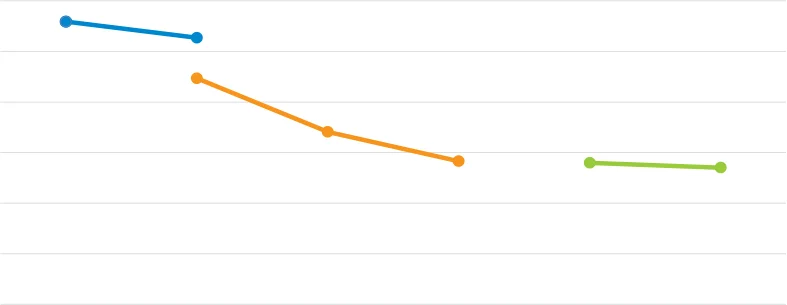
Figure 2.19 Total Number of Farms 1970 - 2020
250,000
200,000
150,000
100,000
50,000
0
1970 1980 1990 2000 2010 2020
Holdings over
Holdings over one
Agricultural
one acre
hectare of AAU
holding
Source: CSO Agriculture Census
Farm holdings tend to be bigger in the south and east of the country compared to the west and the border regions. In the border and west regions only around 10% of the farm holdings are greater than 50 hectares while in the south-east 32% of farm holdings are larger than 50 hectares. This is also reflected in the median or middle size of farms with the median size of farms in the west just 18.8 hectares compared to the median size in the southeast region of 32.2 hectares, over 70% larger.
35%
35
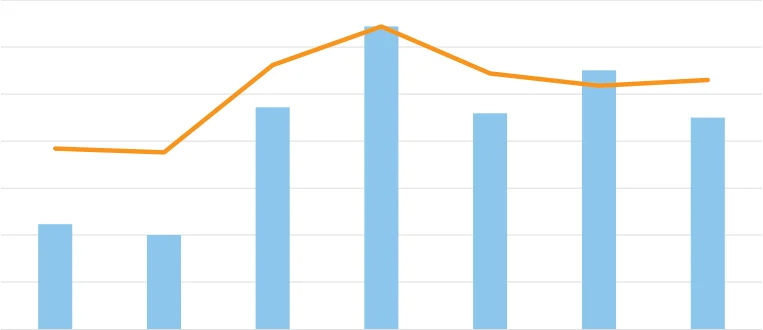
Figure 2.20 Proportion of Farms over 50 Hectares by Region and Median AAU, 2020
30%
30
25%
25
20%
20
15%
15
10%
10
5%
5
0%
0 Border West Mid-West South-EastSouth-West Mid-East and Dublin
Midland
% Over 50 Hectares (left axis) Median AAU Hectares (right axis)
Source: CSO
According to the CoA, in 2020 there are 15,319 specialist dairy farms in the country with a quarter of them in the county of Cork with 3,801 dairy farms. Tipperary accounts for just over 10% of the specialist dairy farms followed by Kerry and Limerick, which account for just less than 9% each. Dublin, Leitrim and Roscommon have each less than 100 specialist dairy farms with 25, 31 and 90 respectively.
There are 17,435 specialist sheep farms with just less than a quarter of them in Donegal with 4,193. Mayo accounts for almost 17%, while Kerry has close to 10% of the specialist sheep farms. At the other end of the scale, Limerick with 64 and Clare with 96 specialist sheep farms have the least of any county, followed by Longford and Laois that have less than 110 each.

Figure 2.21 Percentage of Total Specialist Dairy, Sheep and Beef Farms by County, 2020
Specialist Dairying Specialist Sheep Specialist Beef
| Kerry | Kilkenny Wexford Waterford Cavan Clare Galway Laois Monaghan Ofaf ly Mayo Wicklow Donegal Kildare Louth Meath Westmeath L… Sligo Roscomm Carlow L… D… | Wexford | Waterford | ||||||
|---|---|---|---|---|---|---|---|---|---|
| Clare | Monaghan Meath | ||||||||
| Donegal | Louth | ||||||||
| L… | Sligo | Roscomm | |||||||
| Carlow | |||||||||
| L… | D… |
| Galway | Laois | |
|---|---|---|
| Mayo | Wicklow |
| Donegal | Mayo | ||||||||||
|---|---|---|---|---|---|---|---|---|---|---|---|
| Kerry | Cork | Sligo | Wicklow | ||||||||
| Leitrim | Cavan | Wexford | Meath | ||||||||
| Galway | Kildare | Carlow | Monaghan | Kilkenny | |||||||
| Roscommon | Waterford | Ofaf ly | |||||||||
| Tipperay | Westmeath | Dublin | L… C… | ||||||||
| Louth | Laois | ||||||||||
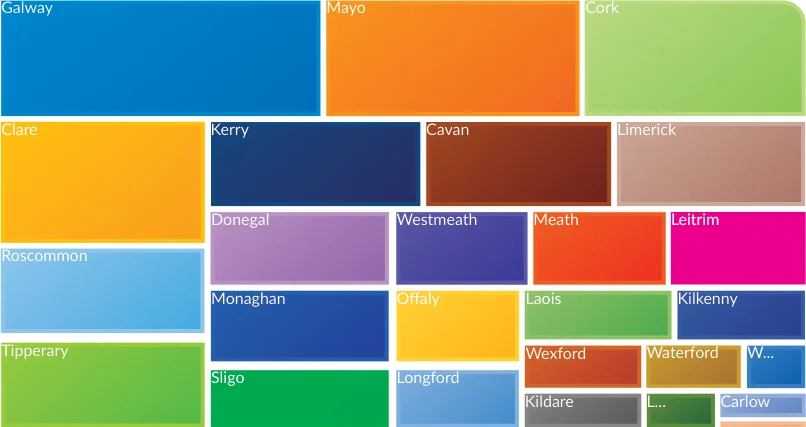
Figure from page 59
Source: CSO
The largest group of specialist farmers are specialist beef farms with 74,159 such farms in the country. Galway has 8,451 specialist beef farms and that accounts for 11.4% of the total followed by Mayo with 6,853, Cork with 5,857, Clare with 5,109 and Roscommon completing the top five counties with 4,368. As with specialist dairy farms, Dublin has the least specialist beef farms with 199, while Carlow with 598, Louth with 651 and Wicklow with 676 are the only four counties with less than 1,000 specialist beef farms.
CSO data shows that there are 4,567 specialist tillage farms, 8,508 mixed grazing farms, 1,759 mixed crops and livestock farms, 11,516 mixed field crops farms and 1,774 other farms.

Figure from page 60
Pages 57–60 · View in original PDF