2.55 million
increase of 3.7% or 89,900
Ireland in 2022.
tonnes on 2021.
Figure from page 133
General Market Situation 2022 Ireland
Following the illegal invasion of Ukraine by Russia in February 2022 there was significant volatility in the crops sector. There was significant uncertainty generated by the war and in particular, the ability of Ukraine, known as “the breadbasket of Europe”, to continue with its significant exports of grain, including to the EU.
The volatility in the market resulted in output prices for grain and oilseeds reaching levels not previously seen. While input costs such as fertiliser increased significantly, tillage farmers were able to offset these costs against higher grain prices, which resulted in good gross margins for cereal and oilseed crops.
The cereals sector in Ireland is relatively small in comparison to our EU counterparts, accounting for only around 6% of agricultural area. Ireland’s agricultural land base is overwhelmingly in grass/livestock production, and this is unique in European terms. Nonetheless, tillage is an important cog in the agri-food sector and is an important supplier of high-quality grain to the feed industry. Tillage growers also make a significant and growing contribution to the highervalue human food and drinks sectors, particularly malting and distilling but also the breakfast cereal market. The sector is also an important producer of seed to service its own needs and has a small export market with the potential for further expansion. It also supplies straw to the livestock sector for bedding primarily, but also for feed.
DAFM publishes the Basic Payment Scheme - Crop Areas each year, outlining the overall cereal (barley, oats, wheat and rye) area in Ireland. In 2022 there was 287,534 hectares compared with 275,080 hectares in 2021, an increase of 4.5%. This was an increase of 12,454 hectares and was aided by the introduction of the Tillage Incentive Scheme. Spring barley remains the main cereal crop at 116,209 hectares, followed by winter barley at 73,526 hectares and winter wheat at 60,199 hectares. When compared to the previous year, there was an increase in the area of winter crops for harvest in 2022 of about 11,600 hectares or 8.4%, which was as a result of good sowing conditions. Spring cereal area was similar to 2021. Wheat, oats and barley output in 2022 according to the CSO was 2.55 million tonnes, which was an increase of 89,900 tonnes on the previous year.
160,000
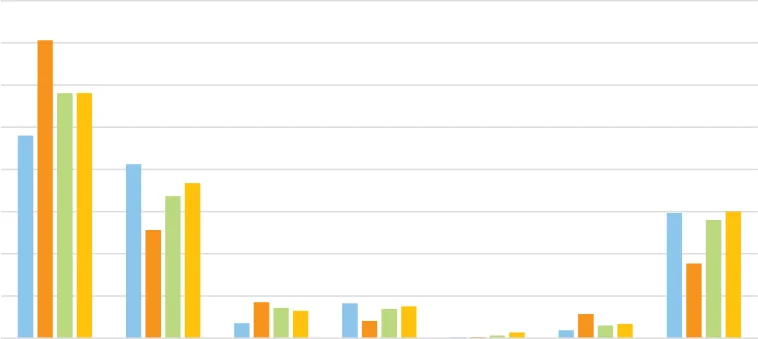
Figure 3.26 Area of Wheat, Barley, Oats and Rye 2019 to 2022 in Hectares
140,000
120,000
100,000
Hectares
80,000
60,000
40,000
20,000
0
Barley -
Barley -
Oats - Spring
Oats - Winter
Rye Wheat -
Wheat -
Spring
Winter
Spring
Winter
Source: DAFM Basic Payment Scheme-Crop Areas
Areas of non-cereal crops (maize, oilseed rape, beans, peas lupins, fodder beet and sugar beet) in 2022 increased by 7,075 hectares to 51,598 hectares. The increase was primarily due to 4,502 hectares increase in the area of oilseed rape. Maize and protein crops (beans, peas and lupins) increased by approximately 1,200 hectares each to 15,635 hectares and 10,812 hectares respectively. Beet area in 2022 was similar to the previous year at 9,431 hectares.
There was sufficient straw to meet demand despite continued good uptake of the Straw Incorporation Measure (SIM). Straw prices in 2022 ranged between €15-€18 per bale, which were slightly back on 2021 prices of €15-€20 per bale.
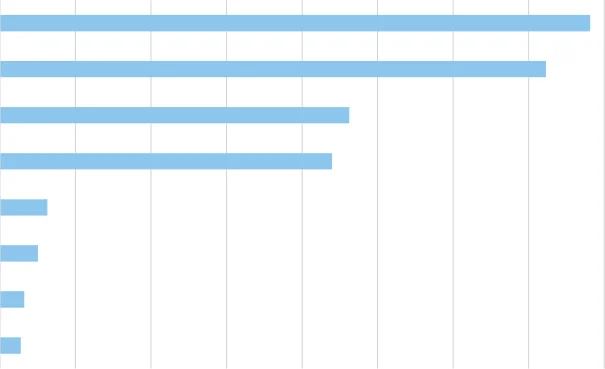
Figure 3.27 Area of selected non-cereal crops 2022
Maize
Oilseed Rape - Winter
Beans - Spring
Fodder Beet
Oilseed Rape - Spring
Beans - Winter
Sugar Beet
Peas
- 2,000 4,000 6,000 8,000 10,00012,00014,00016,000
Hectares
Source: DAFM Basic Payment Scheme-Crop Areas
The value of cereals increased in 2022 by 60%, while volume increased by 1% reflecting the strong prices available for cereals in 2022.
Table 3.13 Output Value (€m) and Volume of Cereals (‘000 tonnes) 2021/2022
| 2021 Value €m Volume | 2022 | |||
|---|---|---|---|---|
| Value €m | Volume | Value €m | Volume | |
| Barley | 282.88 | 1,360 | 484.20 | 1,379 |
| Wheat | 108.40 | 524 | 151.40 | 562 |
| Oats | 42.91 | 224 | 59.05 | 190 |
| Total Cereals | 434.19 | 2,108 | 694.65 | 2,131 |
Source: CSO
The EU cereals area in the 2022/23 marketing year was forecast at 51.05 million hectares which is down 2% year on year. This decrease is mainly due to a reduction in the area of maize, rye and oats. Production of cereals in the marketing year 2022/23 was 267.67 million tonnes which is down 9.3% on the previous year.
Based on EU Member State returns from March 2023 (Fob Rouen), milling wheat was trading in the region of €269/tonne, feed barley at €266/tonne, maize at €276/tonne and durum wheat at €406/tonne. In the week before the Russian invasion of Ukraine, milling wheat was trading at €271/tonne, feed barley at €260/tonne, maize at €268/tonne and durum wheat at €278/
Table 3.14 Estimates for the EU Main Crops 2021 and forecasts for 2022
| Crop Area Production Area Production Area Production (million (million (million (million 2022 V 2022 V hectares) tonnes) hectares) tonnes) 2021 2021 2021e 2021e 2022f 2022f | ||||||
|---|---|---|---|---|---|---|
| Soft wheat | 21.82 | 130.02 | 21.9 | 126.74 | 0.4% | -2.5% |
| Durum wheat | 2.21 | 8.06 | 2.19 | 7.14 | -0.9% | -11.4% |
| Maize | 9.25 | 73.48 | 8.86 | 52.27 | -4.2% | -28.9% |
| Barley | 10.27 | 51.89 | 10.32 | 51.93 | 0.5% | 0.1% |
| Triticale | 2.66 | 11.68 | 2.58 | 11.39 | -3.0% | -2.5% |
| Oat | 2.55 | 7.47 | 2.36 | 7.47 | -7.5% | 0.0% |
| Rye | 1.92 | 7.95 | 1.74 | 7.41 | -9.4% | -6.8% |
| Sorghum | 0.15 | 0.82 | 0.13 | 0.56 | -13.3% | -31.7% |
| Other cereals | 1.26 | 3.84 | 0.97 | 2.76 | -23.0% | -28.1% |
| Total | 52.09 | 295.21 | 51.05 | 267.67 | -2.0% | -9.3% |
Source: EU Commission – Cereal production
In relation to cereals trade, data from EU Eurostat Comext indicates that the EU remains a net cereal exporter. Figures for 2022 show that imports of cereals were 36.2 million tonnes, while exports were 41.5 million tonnes with imports valued at €12.5 billion and exports valued at €15.08 billion.
Prices Grain prices have displayed significant price volatility in recent years. In 2022, Irish feed barley traded at approximately €310/tonne inclusive of input trading bonuses, which was an increase of approximately €100/tonne since 2021. Malting barley prices also showed a significant increase with Boortmalt, the largest purchaser in the Irish market, paying €385/tonne, which was up from €238/tonne in 2021.
The gap between feed barley and malting barley in 2022 was approximately €75/tonne on average and has more than doubled since 2021.
Feed wheat traded at €320/tonne, which was up from €220/tonne in 2021 inclusive of input trading bonuses. Feed oats traded at €310/tonne, beans at approximately €255/tonne, while Oilseed Rape traded at €595/tonne with prices inclusive of input trading bonuses.
In general, 2022 was an excellent year for tillage farmers with high yields, good prices and favourable weather conditions at harvest.
Financial Assistance A number of measures to support the tillage sector are currently available. These include:
The Tillage Intervention Package was announced in March 2022. The package included M the Tillage Incentive Scheme (TIS), which was introduced to support farmers to grow more tillage crops in 2022. A payment of €400/hectare was made on new ground that was not in crop production in 2022. To qualify, an increase in the total tillage crops grown on the holding in 2022 versus 2021 was required. Eligible crops included barley, wheat, oats, rye, oilseed rape, maize and beet. An additional allocation was made for the Protein Aid Scheme to guarantee a payment of €300 per hectare for beans, peas and lupins and €150 per hectare for newly introduced protein cereal mixed crops. The TIS is being continued in 2023 with a maintenance payment of €200/hectare available on ground entered into the Scheme in 2022 and maintained in tillage for 2023, while the €400/hectare payment remains for newly converted grassland crops.
The Straw Incorporation Measure (SIM) was initially a pilot agri-environmental initiative M that was introduced in 2021 and is now included as a measure in Ireland’s CAP 2023- 2027 with a budget of €10 million per annum. The purpose of the measure is to encourage tillage farmers to increase soil organic matter levels and consequently increase carbon sequestration levels in tillage soils. This is achieved by chopping and incorporating the straw from cereal crops and oilseed rape back into the soil, thereby improving organic matter and subsequently carbon sequestration, soil biology, soil workability and water retention capacity.
The continuation and enhancement of Coupled Protein Aid for CAP 2023-2027 with an M increased budget of €7 million per annum, up from €3 million in the last CAP. There have also been other changes such as the inclusion of a payment for a protein cereal mixed crop.
The Tillage Capital Investment Scheme (TCIS) under TAMS III will continue in 2023 with M tranches opening regularly throughout the programme. The ceiling investment will be reset to €90,000 per holding. New tillage investments eligible for support in TAMS III include handling equipment and pesticide reduction equipment such as interrow cultivators and weather stations.
The Agri-Climate Rural Environment Scheme (ACRES) offers a broad range of actions for M tillage farmers and the greatest number of any agri-environmental scheme thus far. New measures such as over winter stubble and unharvested cereal headlands, along with revised winter bird food and arable fallow measures, aim to provide a vital winter food source to diminishing bird populations during the most vulnerable time of the year. To enrich soils and
protect water quality, catch crops, minimum tillage and the introduction of a new riparian buffer arable measure, coupled with the continuation of the arable grass margin, will all greatly contribute to the enhancement of the environment.
DAFM also supports the sector through its Crop Variety Evaluation Programmes and Seed M Certification Schemes.
Production levels 2022 Wheat, oats and barley output in 2022 according to the CSO was 2.55 million tonnes which was an increase of 89,900 tonnes or 3.7% on the previous year. The overall area under cereals, beans, peas and oilseed rape in 2022 increased by 6% on the previous year or 18,000 hectares. The introduction of the Tillage Incentive Scheme (TIS) in early 2022 contributed to this increase in tillage area.
Overall yields were excellent with the exception of winter barley where barley yellow dwarf virus (BYDV) and ‘take all’, a fungus, impacted yields in southern and coastal counties. Weather conditions at harvest were excellent which saved on drying costs. The yield and quality of straw was very good. There was sufficient straw to meet demand despite the high uptake of the Straw Incorporation Measure.
Winter cereal sowings in Autumn 2022 for harvest 2023 are estimated to have reduced by 34,300 hectares due to unfavourable weather conditions. Winter oilseed rape sowing in Autumn 2022 is estimated at approximately 20,500 hectares due to significantly improved yields and the current strong market for oilseeds.
Figure from page 138
Sustainability – economic and environmental The Teagasc National Farm Survey Preliminary results 2022 estimate that Family Farm Income (FFI) on tillage farms was €1,087 per hectare in 2022, which was a significant increase on the €839 per hectare achieved in 2021. Similar to the trend in recent years, FFI on tillage farms is second to dairy farms which stood at €2,332 per hectare. However, when expressed as an income per unpaid family labour unit basis, the gap between Tillage and dairying closed considerable with tillage at €95,106 versus dairying at €112,001.
2022 was the fourth straight year an increase in area of cereals was recorded since the low of 254,722 hectares recorded in 2018. The contribution of the sector to higher value markets is increasing and thus improving the viability of the sector. These outlets include the food and beverage sector with barley for brewing and distilling and food grade oats along with an important seed production sector.
From an environmental sustainability perspective, the tillage sector is a low emission farming system with 1.18 tonnes CO2 equivalents of agricultural GHG per hectare when compared to livestock farms at 3.3-8.7 tonnes per hectare. (Source: Teagasc Tillage Stakeholders Crops 2030 Report, NFS Sustainability Report 2019).
The Farm to Fork proposals as part of the Green Deal under the next CAP have set ambitious targets of a 20% reduction in the use of nitrogenous fertilisers, a 50% reduction in nutrient losses and a 50% reduction in the use and risk of plant protection products (PPPs) by 2030. There are also enhanced measures in the next CAP for improving soil, air and water quality and biodiversity, while reducing emissions contributing to climate change. While the carbon footprint of the tillage sector is the lowest of all agricultural sectors, there are still opportunities for the sector to further improve its sustainability credentials.
The sustainability of the sector is supported by various measures including post-harvest stubble cultivation requirements under the nitrates regulations, various measures under CAP including enhanced conditionality and eco-schemes, protein aid, straw incorporation measure and various measures under the agri-climate rural environment scheme (ACRES). DAFM also supports improvements in the sustainability of the sector through its crop variety evaluation programmes and seed certification schemes.
There are also an increasing number of industry-led sustainability initiatives such as the Diageo Regenerative Agriculture Scheme. This Scheme is specific to producers of malting barley and was launched in 2022. It has over 40 farmers participating with over 600 hectares of cover/ catch crops. One of the key outputs of this scheme is to improve soils, biodiversity, carbon sequestration and with the aim to share the insights learned to develop a “scalable” model for sustainable malting barley production.
Highlights
An increase of 4.5% in total tillage area in 2022, to which the introduction of Tillage M Incentive Scheme contributed. Production of cereals increased to 2.55 million tonnes, which was an increase of 3.7% or 89,900 tonnes on 2021.
A prolonged period of good weather in early autumn 2022 resulted in unbroken M periods of harvesting of crops at low moistures which saved on drying costs.
Significant price increases for grain/output in 2022 over 2021 in the range of €100/ M tonne. Despite higher input costs, these prices resulted in good margins for tillage growers.
The Climate Action Plan 2023 highlighted the importance of the tillage sector in M meeting emissions reduction targets. A target has been set to increase tillage area to 400,000 hectares by 2030, the current total area of tillage stood at 348,500 hectares in 2022.
Challenges
There is concern on the potential loss of tillage area in 2023 due to competition for M land from the dairy sector in order to comply with stricter nitrates regulations. The tillage sector is highly reliant on the land rental market with an estimated 30% of overall tillage land rented. Current high dairy profit margins mean that dairy farmers are able to outcompete their tillage counterparts for rented/leased land.
The sector will experience higher input costs in 2023. Fertiliser is the single most M expensive input in tillage systems and fertiliser costs remain high. A tillage farmer with winter crops in 2023 can expect a 62% increase in input costs from 2021. The equivalent figure for a farmer with spring crops is 48% (Source: Teagasc).
Ireland Outlook
Current downward pressure on commodity prices coupled with higher input costs M will result in lower profit margins for tillage growers in 2023. There is also increased pressure on maintaining the tillage area in 2023 due to competition for land from the dairy sector in order to comply with stricter nitrates regulations.
Notwithstanding the current challenges, there are opportunities for tillage growers. M There is significant potential for tillage farmers to increase native production to replace cereal and protein imports for the livestock industry. The increase in protein aid from €3 million to €7 million in the current CAP strategic plan will facilitate an increase in protein crops and help deliver on this potential.
There are also many opportunities for the tillage sector in supplying the high-value M food and drinks sector. There has been a sustained growth in demand for Irish malt for brewing and distilling. The recently completed works to increase capacity at Ireland’s largest maltings in Athy are a welcome addition to the sector and are reflective of the increased demand for malt. This is driven by the success of Irish alcohol products. Irish beverage exports sales exceeded €2 billion for the first time in 2022, which is a 20% increase on sales since 2019.
There is also an ongoing strong demand for oats, particularly for the higher value M organic and gluten free markets. Irish tillage growers have responded to this demand by supplying high quality grains to meet industry needs.
The higher value food and drink markets are very important in adding value along M the supply chain, including for growers. The supply of high-quality grain for these expanding high-value markets will improve grower incomes into the future.
EU Outlook
Given the current situation in Ukraine and other contributory factors, it is reasonable M to expect that cereal supplies will be tight, and prices will remain volatile. While three of Ukraine’s major Black Sea ports reopened to grain exports in 2022, the agreement under which they operated ceased in mid-2023. This has resulted in farmers being forced to route crops through bordering EU countries. The increases in imports from Ukraine has resulted in oversupply and depressed prices in neighbouring EU countries. The European Commission are working to alleviate pressures on local farmers.
The cereals area forecast for the 2023/24 marketing year is 51.6 million hectares, up M 0.6 million hectares or 1.1% from the previous year. Production for the 2023/24 year is forecast at 287.9 million tonnes, up 22.3 million tonnes or 8.4%. This will be mainly driven by an expected increased yield in soft wheat, barley, maize and rye production.
Table 3.15 Forecasts for the EU Main Crops for the 2023/2024 Marketing Year
Crop 2023/24 Area (million hectares)
2023/24 Production (million tonnes)
Production
2023/24
| Soft Wheat | 22.0 | 130.9 | 3.9% |
|---|---|---|---|
| Durum Wheat | 2.1 | 7.5 | -5.5% |
| Barley | 10.8 | 54.2 | 5.2% |
| Rye | 1.8 | 7.6 | 5.0% |
| Maize | 8.5 | 65 | 24.9% |
| Oats | 2.4 | 7.4 | 0.4% |
Source: EU Commission and International Grains Council
On the global front, latest forecasts for the 2022/23 season show that the total grains M production estimate was reduced to 2,248.2 million tonnes down 42.3 million tonnes or 1.8%. The reduction in production is mainly due to maize harvests in Argentina and the United States of America being less than expected. Global consumption of grains is expected to decline to 2,266.5 million tonnes or down 1.2% year on year.
The International Grains Council published its first complete outlook for the 2023/24 M marketing year. Total world grain production is projected at 2,283.4 million tonnes, up 1.5% or 33.2 million tonnes year on year, with the increase mainly linked to a potential rebound for maize. Global consumption is expected to increase for all uses and reach 2,288.2 million tonnes, up 1.2% or 27.2 million. The total includes 759.9 million tonnes of food use (+1.0%), 1,028.4 million tonnes for feed use (+1.8%) and 369.2 million tonnes for industrial use (+0.9%). Ending stocks are estimated at 580.1 million tonnes or down 0.9% year on year.
Pages 133–141 · View in original PDF