2.5 Farm Viability Analysis, 2022
The main results of the Teagasc NFS relate to the FFI for the various farm systems. While FFI is a useful measure, it does not account for the economic viability of the farm business, nor does it make any allowance for the role of income earned outside of the farm in determining the sustainability of farm households. To help address this, the NFS also provides a viability profile of its farms broken into three categories viable, sustainable and vulnerable.

Figure from page 49
Viable
A farm is defined as economically viable if the farm income can remunerate family labour at the minimum wage and provide a 5% return on the capital invested in non-land assets.

Figure from page 49
Sustainable
If the farm business is not viable, the household is still considered sustainable if the farmer or spouse has an off-farm income.

Figure from page 49
Vulnerable
A farm is considered to be economically vulnerable if the farm business is not viable and if neither the farmer nor spouse works off the farm.
In the 2022, the NFS preliminary results outlines that 43% of farms were viable, up 1% on the previous year. Over the past ten years, in the years 2022, 2021 and 2017, over 40% of the farms in the NFS were classified as economically viable. For the other seven years, the number of viable farms was between 32% and 36%. In 2022, 2021 and 2017, FFI increased by close to 30% in each, while in four of the years the maximum increase was 10%, with decreases in three years.
The number of vulnerable farms tend to reduce when the number of viable farms increases. This is borne out by the fact that 2022 saw the lowest percentage of farms in this category over the last decade at 27%. This is 2% points better than 2021 when it was 29%, while in the years previous to 2021 it generally ranged between 32% and 36%.
Similarly, the number of sustainable farms drops slightly in years when FFI is relatively high, as those farms where neither the farmer nor spouse has an off-farm income see an increase in FFI, moving them into the viable category.
45%
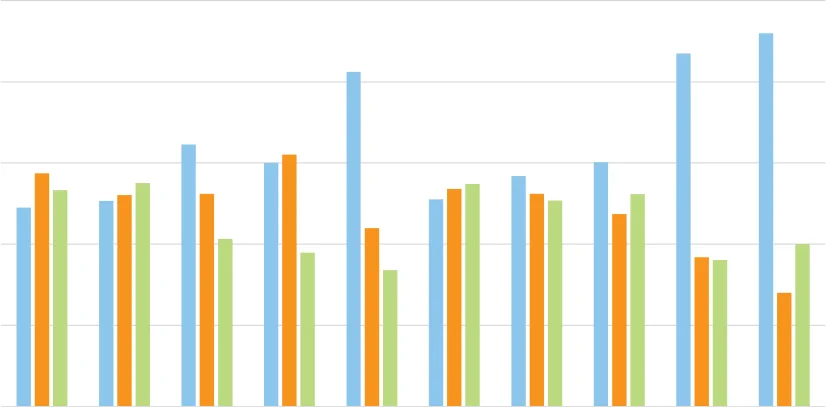
Fig 2.12 Farm Viability 2013 to 2022
40%
35%
30%
25%
20%
2013 2014 2015 2016 2017 2018 2019 2020 2021 2022
Viable Vulnerable Sustainable
Source: Teagasc, National Farm Survey – Preliminary results 2022
The viability of Irish farms varies significantly across systems. In 2022, 93% of dairy farms were found to be viable, up from 80% just two years earlier. Tillage has also seen an increase in the proportion of viable farms in 2022 to 83%, up from 67% in 2020. Cattle other farms which saw their FFI increase to €18,811 in 2022, have 35% of their farms considered as viable. However, sheep farms and cattle rearing farms, which both saw their FFI drop in 2022, have only 22% and 14% respectively considered as viable. In fact, 36% of cattle rearing farms and sheep farms are considered as vulnerable while just 4% of dairy farms are in this category.
100%
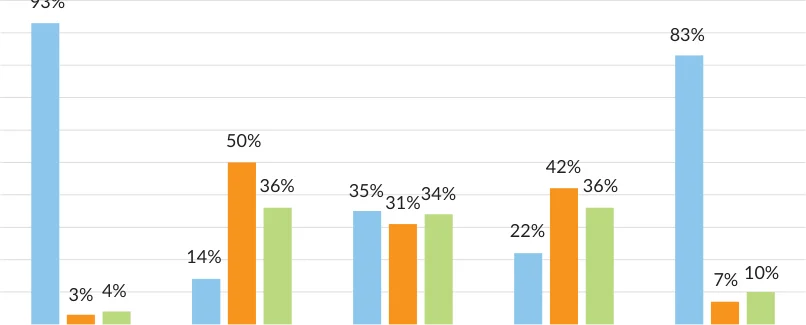
Figure 2.13 Viability of Farms by System, 2022
90%
80%
70%
60%
50%
40%
30%
20%
10%
0%
Dairying Cattle rearing Cattle other Sheep Tillage
Viable Sustainable Vulnerable
Source: Teagasc, National Farm Survey – Preliminary results 2022
As outlined earlier, the cattle and sheep farms tend to be smaller than the dairy and tillage farms and this is reflected in the viability of the farms. According to these results, there are 23,000 vulnerable farms down from over 30,500 in 2020. These include 16,755 vulnerable cattle farms nationwide, about 5,000 vulnerable sheep farms and 1,225 vulnerable dairy and tillage farm combined. It should be noted that the NFS does not include about 50,000 farms with a standard output of less than €8,000. These smaller farms are included occasionally in the NFS, the last time was in 2015, and at that time half of the small farms were found to be vulnerable.
60%
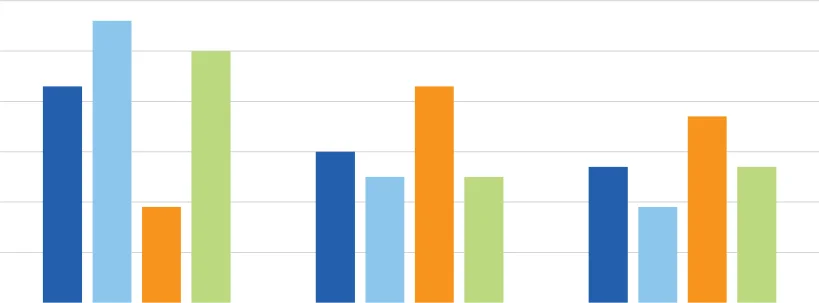
Figure 2.14 Viability of Farms by Region, 2022
50%
40%
30%
20%
10%
0%
Viable Sustainable Vulnerable
State South North & West East & Midlands
Source: Teagasc, National Farm Survey – Preliminary results 2022
Looking at viability of farms on a regional basis, the Northern and Western region has the lowest proportion of viable farms at just 19%, while the proportion in the Southern region is 56% and in the Eastern and Midland region it is 50%. Thirty-seven percent (or almost 11,500 farms) in the Northern and Western region fall into the vulnerable category, with only 19% or 7,100 in this category in the Southern region.
Pages 49–51 · View in original PDF