2.11 Women in Agriculture
2.11 Women in Agriculture
Gender equality remains a core principle of the European Union (EU), and a key objective of the United Nations’ Sustainable Development Goals (SDGs), specifically Goal 5 which aims to “Achieve gender equality and empower all women and girls”. The Common Agricultural Plan (CAP) 2023-2027 places particular focus on promoting women’s participation in the socioeconomic development of rural areas, with special attention to farming to support the role of women in the sector.
The World Economic Forum’s (WEF) Global Gender Gap Index benchmarks 146 countries progress towards gender parity via Economic Participation and Opportunity, Educational Attainment, Health and Survival and Political Empowerment. The WEF reports gender parity has a fundamental bearing on whether economies and societies thrive. Developing and deploying one-half of the world’s available talent can only improve the growth, competitiveness and future-readiness of economies and businesses worldwide.
The Global Gender Gap Index Report published in July 2022 identifies gender gaps in the workforce as an emerging crisis. Gender gaps are driven and affected by various factors, including long-standing structural barriers, socioeconomic and technological transformation, as well as economic shocks. More women are moving into paid work and leadership positions, yet globally societal expectations, employer policies, the legal environment and the availability of care still impact females’ choice of educational and career paths. In addition, geopolitical conflict, and climate change impact women disproportionately while the projected deepening of the current cost-of-living crisis is impacting women more severely than men, as women continue to earn and accumulate wealth at lower levels. In 2023, the gap has closed by 68.1%. However, at the current rate of progress, it will take 132 years to reach full parity, a four-year improvement compared to the 2021 estimate of 136 years. Across the 146 countries covered by the 2022 index the gender gap has closed by:
Economic Participation and Opportunity 60.3%
Educational Attainment by 94.4%,
Health and Survival gender gap has closed by 95.8%,
Political Empowerment 22.0%.
Overall Ireland ranks 9th globally with gender gap score of 80.4%, an increase of 0.4% on the 2021 score, indicating a slightly lower than 20% gender gap still to be closed.
The latest CSO Census of Agriculture, conducted in 2020, indicates that of the total 130,216 farm holders in Ireland some 13% or 16,900 were women. Of the 60,085 (46%) farm holders who had a succession plan in place at that time, 9,759 or 16% indicated the successor was female.
Eurostat data published in November 2022 indicates that within the European Union, agriculture remains a big employer with approximately 8.7 million people working in the sector in 2020. They also indicate farming remains a male-dominated profession, with only 31.6% of farmers being women in 2020. The gender imbalance among farmers is particularly strong
in the Netherlands; only one in every twenty farmers, or 5.6%, was female in 2020. Female farmers were also relatively uncommon in Malta and Germany, with both having 10.8% of all farmers are female, while in Denmark it was 10.9% and in Ireland it was 11.4%. There was a closer gender balance in Latvia and Lithuania with 44.8% and 44.9% shares respectively of farmers that were female.
Female farmers continue to be in the minority, but their share is growing, with numbers increasing between 2016-2020 for female farm managers in all age groups below 55 years. Against the backdrop of a decline in the overall number of farmers, the share of farm managers that are women increased from 26.4% in 2005 to 31.6% in 2020.
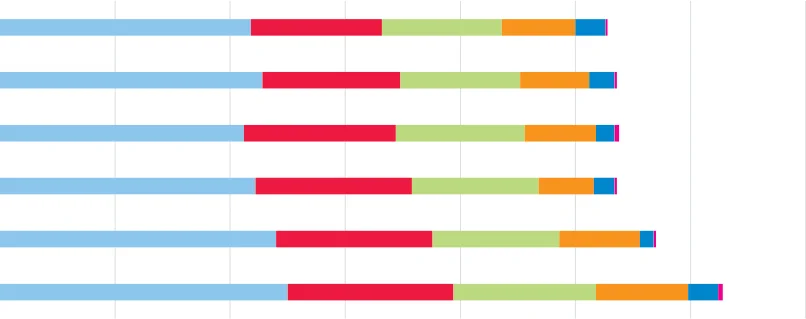
Figure 25 EU Female Farm Managers as Percentage of All Farm Managers, by Age, 2005 - 2020
2005
2007
2010
2013
2016
2020
0 5 10 15 20 25 30 35
65 years + 55-64 years 45-54 years 35-44 years 26-34 years <25
Source: Eurostat
Women in Agriculture Ireland According to the 2020 CSO Census of Agriculture in Ireland, some 13.4% of farmers are women. This number is up from 2000, when women represented 10.7% of farm holders. This trend of more female holders of farms should continue as farm holders who have a succession plan in place indicated the successor was female in 16.2% of cases.
The CSO Labour Force Survey for Q1 2023 indicated that an average of 16% of the labour force working in primary agriculture, forestry and fishing were women. This is up from 14.9% in 2021 and 12.5% in 2020. However, the numbers working in agriculture, forestry and fishing vary from year to year, depending on other employment opportunities and events such as COVID-19.
Quality and Qualifications Ireland’s (QQI) Certification Data and Analysis Report 2022 indicates the share of female learners attaining major awards has dropped this year, standing at 52% or 57,572 recipients compared to 58% or 59,015 in 2021, 54% in 2020 and 52% in 2019. These 57,572 recipients received a total of 94,283 awards between them. In contrast, according to the Teagasc Education Vision Report 2018, only 11% of further education awards for Teagasc programmes between 2012-2016, were to female graduates. Female participation in agricultural higher education is observed to be greater, in the range of 40% for some university degree programmes. By contrast, female participation in veterinary education in Ireland is much higher and can range from 70% to 80%.
According to the DAFM’s client database, 13% of active individual herdowners in 2022 were women. Analysis of these figures shows just under 7% of females were under 40 as compared
with 10% in 2021. A slightly higher rate of 8.5% of male herdowners were under 40. Over 60% of female herdowners were over 60 in 2022, up on the 2021 figure of 50%. Just over 50% of male herdowners were over 60. For herdowners over 80 years, 15% of females are in this category, up from 10% on 2021, as compared with 7% of males which is up from 6% in 2021. According to the CSO, 27% of the agriculture labour force working on farms in 2020 were female.
16,000
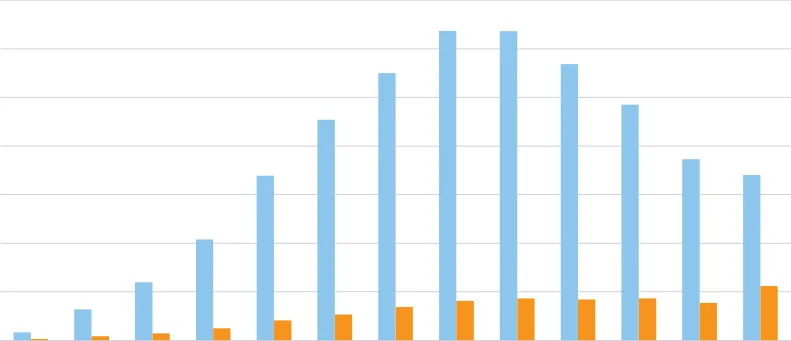
Figure 2.26 Active Individual Herdowners in 2022 by Age and Gender
14,000
12,000
10,000
8,000
6,000
4,000
2,000
0
25 and 29 yrs
30 and 34 yrs
35 and 39 yrs
40 and 44 yrs
45 and 49 yrs
50 and 54 yrs
55 and 59 yrs
60 and 64 yrs
65 and 69 yrs
70 and 74 yrs
75 and 79 yrs
over 80 years
18 and 24 yrs
Male Female
Source: DAFM
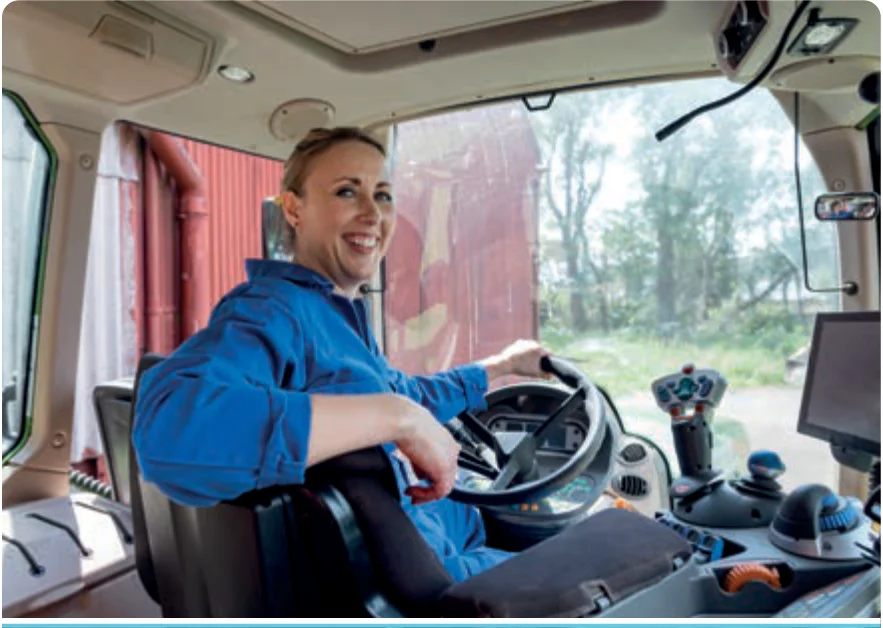
Figure from page 67
Women occupy various roles in farming as independent producers, business managers, agriculture helpers and farm homemakers but in common with the EU overall, there is unequal participation by women and men. Much of the work done by women on farms continues to be largely invisible and without status as farm holder or registered herdowner.
Ireland’s agri-food strategy, Food Vision 2030 recognises the importance of gender balance to the long-term sustainable future for primary producers and includes actions to promote and improve gender balance at all levels, including at senior management and board level. It also includes a commitment to hold a National Dialogue on Women in Agriculture and recommends the establishment of female farmers’ networks and other supports to better understand and meet the needs of Irish women farmers, fishers, and rural female entrepreneurs. In this regard a National Dialogue was held on the 1st February 2023 in Portlaoise, chaired by former Tánaiste and Minister for Agriculture, Mary Coughlan. The event was very well attended and well received. The conclusions of the Dialogue were compiled into a report to inform future policy around gender in the agriculture sector in Ireland.
Ireland’s CAP Strategic Plan 2023-2027 marks a milestone for women in farming as for the first time measures have been developed with a gender-aware perspective. The CAP Regulations place particular focus on promoting the participation of women in the socio-economic development of rural areas, with special attention to farming, supporting women’s key role. The CAP 2023-2027 includes the objective to promote gender equality under CAP Specific Objective 8 namely Vibrant Rural Areas and interventions have been designed in this regard.
Ireland will implement the following package of measures on gender equality in the CAP Strategic Plan:
Increased rate of grant aid to 60% for women aged 41-66 years under the Capital Investment M Scheme expected to launch in June 2023.
Knowledge Transfer (KT) Programme - Women only KT Groups expected to launch January M 2024.
European Innovation Partnerships - call for proposals to incentivise women’s participation M in agriculture.
Improved recording, collection, and reporting on gender data across all CAP schemes. M
All CAP interventions will be developed with a gender aware perspective to ensure there M are no inherent barriers to women’s participation.
The National CAP Network established in the CAP Strategic Plan will be leveraged to M increase the involvement of all women in the implementation of CAP.
The CAP Strategic Plan was approved by the European Commission in 2022 with schemes M rolling out since January 2023.
ACORNS (Accelerating the Creation of Rural Nascent Start-ups) The ACORNS programme was developed to support female entrepreneurs from rural Ireland in the early stages of new businesses. Based on a belief that entrepreneurs learn best from each other, the ACORNS initiative is focused on interactive round table sessions that are facilitated by female entrepreneurs who have started and successfully grown businesses in rural Ireland. They are known as ACORNS Lead Entrepreneurs and have practical, first-hand knowledge and experience of owning a successful business in rural Ireland. Each Lead Entrepreneur works with a group of approximately eight participants. They address enterprise challenges and support participants in considering how best to start, develop and position their businesses for sustainability and growth.
To qualify, participants must have, or intend to have, a new business located outside the city boundaries of Dublin, Cork, Galway, Limerick and Waterford. The programme is open to earlystage female entrepreneurs who have recently started a business, which has less than two years of sales, or who are at an advanced stage of setting up a business. The aim is to provide up to 50 entrepreneurs on each cycle of the programme with the knowledge, support and
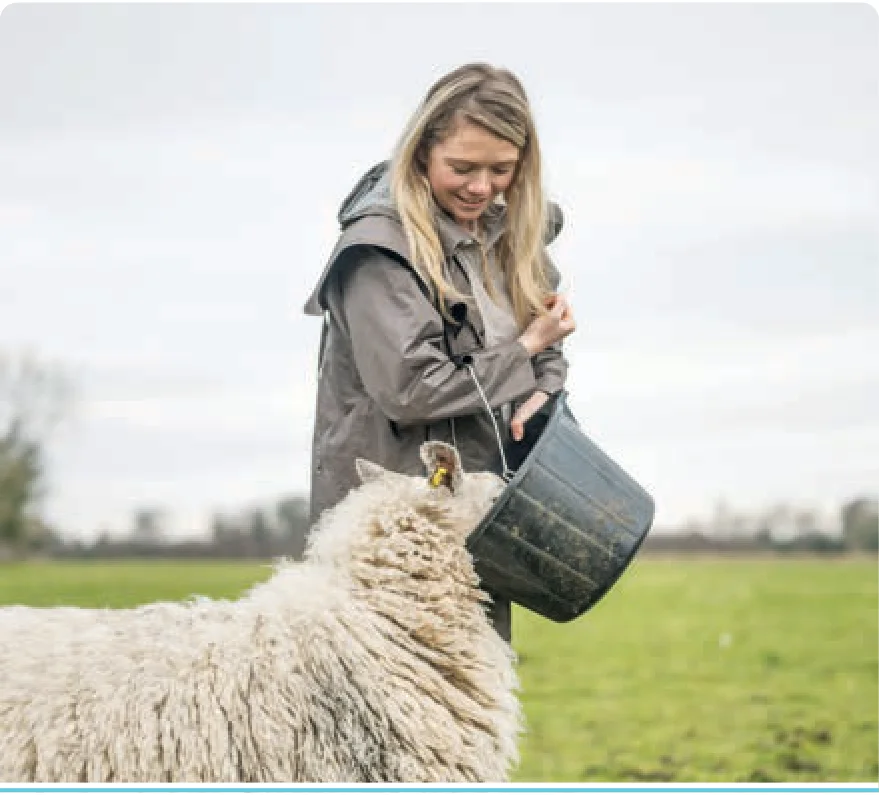
Figure from page 69
networking opportunities to meet and even exceed their current aspirations. Past participants report increased sales, exports and employment creation. The programme is currently in its seventh cycle and runs part-time over six months. Business can be in any sector and applicants who expect to grow their business and employ others are given special consideration.
As this programme is funded by Rural Innovation and Development Fund within DAFM, there is no cost to the participants. The total investment in ACORNS is over €1.5 million since its inception.
ACORNS 8 ran from October 2022 to April 2023. Forty-six early-stage female entrepreneurs living in rural Ireland completed the programme. At the end of the cycle, all participants reported that participation in ACORNS was of value to their business.
The combined turnover of the overall group almost doubled over the six months of the M cycle.
There were 5 participants that became exporters for the first time. 14 participants now M have export experience (31%).
There were 16 additional employees hired during the period. M
The ACORNS 8 participants were very positive in their feedback in terms of their experience of the initiative: 84% reported that they made a decision for their business during the round table sessions; 89% said that their participation brought about practical change within their business; 96% felt nearer to achieving their ambitions; 100% would recommend participating in ACORNS to others; and 100% would welcome a means of staying in contact with the ACORNS network.
Case Study
BiaSol
A pandemic lockdown project across two continents led Niamh Dooley, from Athlone, Co Westmeath, and her brother Ruairi, to create BiaSol, a business that upcycles spent grain from breweries into healthy food products. Niamh and Ruairi, who was then based in Melbourne, founded the company in October 2020, after investigating the possibilities of a sustainable, nutritious food product as a way of keeping in touch over Zoom, when they were both experiencing the limitations of lockdowns.
Niamh, who had graduated with a degree in Food Science from University of Limerick in 2016, had been working on Food Dudes, Bord Bia’s healthy eating programme for primary schools, but was let go due to the pandemic. After securing a time-share in a test kitchen, BiaSol succeeded in getting €50,000 from Enterprise Ireland’s Competitive Start Fund, which enabled them to set up their own premises in Tullamore, Co Offaly.
BiaSol has two product ranges which are sold nationwide in over 150 stores. The products include:
Protein Pancake Mix, Granny’s Soda Bread Mix, Super Scone Mix and Crafty Cookie Mix and Super Milled Grains, Morning Glory Grains and Whole Fibre Grains. The products are attractive to consumers and food industry professionals because they boost flavour and are very high in fibre.
The company currently employs five full time and three part time employees. BiaSol has had nationwide success: 2021 Irish Times Innovation Winner for Manufacturing & Design, 2022 Blas Na hEireann Finalist, Chefs Larder Winner & Best in County and 2023 RDS Spring Awards Winners Rural Innovation. BiaSol will export to the UK later this year and the company has recently been awarded HPSU funding which will enable this growth.
Niamh found that taking part in ACORNS gave her confidence as a woman in business, and the programme was a great opportunity to learn from other business owners. She, along with the team, plans to grow the B2B aspect of the business enabling other food manufacturers to use brewers spent grains in their own products which will further support the circular economy.
Pages 65–70 · View in original PDF