12.8 million
value in 2022 to €246 million.
2.4% on 2021.
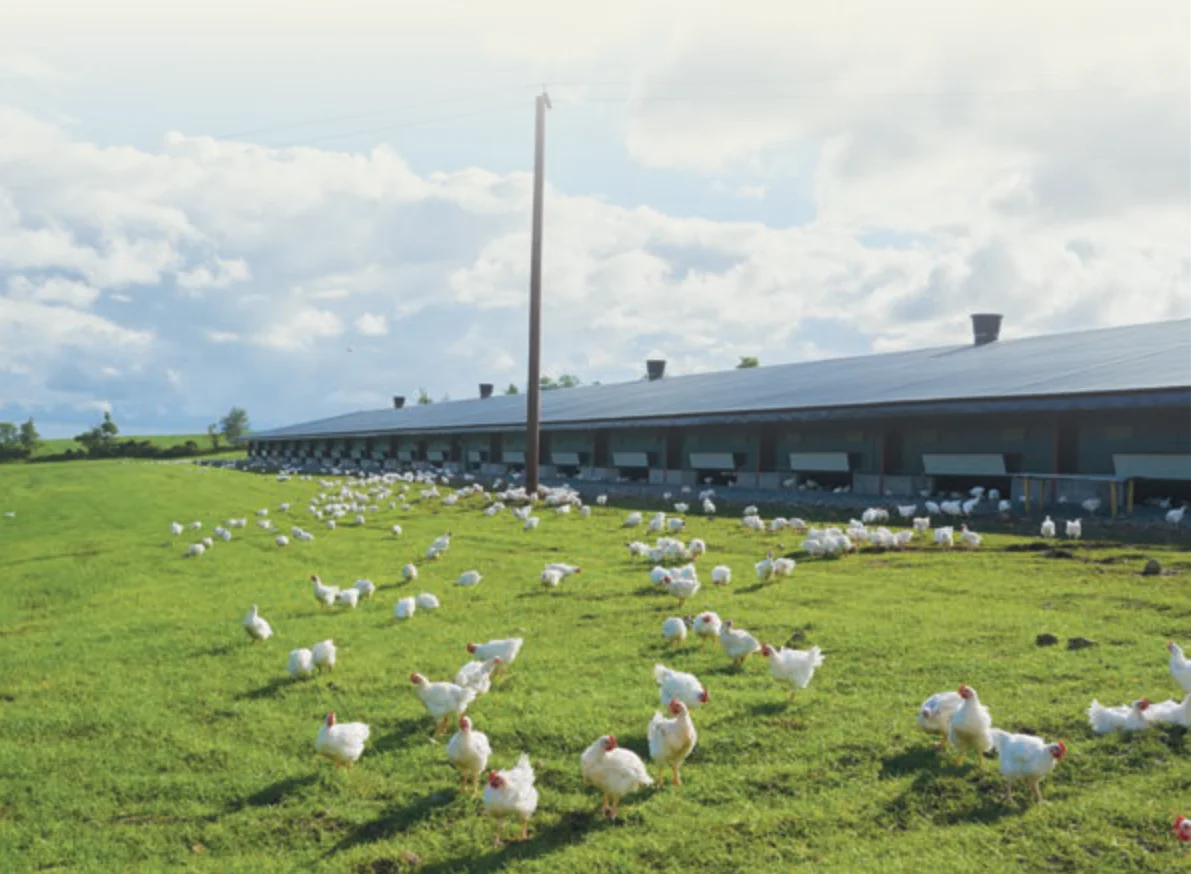
Figure from page 125
General Market Situation Poultrymeat Ireland
The Poultry Sector plays an important role within the Irish agri-food sector, supporting up to 5,000 jobs, most of these in rural areas. As with other sectors, the Irish poultry sector faced many pressures in 2022 due to the increase in input costs, exacerbated by the impact of the illegal invasion of Ukraine by Russia.
Irish poultrymeat exports declined in volume during 2020 and 2021 by one third, from 143,100 tonnes to 95,500 tonnes. The closure of the hospitality industry for long periods during COVID-19 and Brexit have had significant impacts on the industry. However, 2022 saw a recovery in poultrymeat exports with volume of exports reaching over 100,000 tonnes and a 31% increase in value of exports to a record €314 million.
Poultrymeat exports depend significantly on the United Kingdom, with 58% of exports by volume and 78% by value. In 2022, the value of exports to the United Kingdom was €246 million, up by 35% on 2021, while for the next largest export destination, the Netherlands, the value of exports was just €20 million. Ireland’s poultrymeat exports to the EU27 account for 17% of the value of exports, while most of the remainder went to countries in Africa such as Ghana, Benin and Sierra Leone.
South Africa, which had been the second largest market in recent years for poultrymeat, accounting for 12% of export value and 25% of export volume in 2020, suspended poultrymeat imports from Ireland following an outbreak of Avian Influenza in Ireland in late 2020.
Table 3.10 Top 5 Poultry Export Destinations 2022
| Rank Country € Million Tonnes | |||
|---|---|---|---|
| 1 | United Kingdom | €245.99 | 58,866 |
| 2 | The Netherlands | €19.54 | 16,658 |
| 3 | France | €9.09 | 4,901 |
| 4 | Germany | €7.12 | 1,742 |
| 5 | Spain | €6.08 | 2,825 |
Source: CSO
Exports to the Netherlands, which increased by 60% in value in 2021 and a further 25% in 2022, helped offset the loss of the South African market with exports of €20 million and 16,700 tonnes.
€350
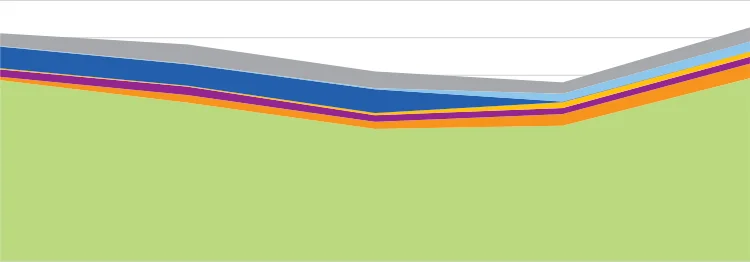
Figure 3.21 Poultrymeat Exports by Destination and Value, 2018-2022
€300
€250
Million Euro
€200
€150
€100
€50
€0
UK Netherlands France Germany South Africa Other African Countries Other
Source: CSO
New markets
Ireland has access to 61 countries, including the EU Member States, for the export of poultry meat.
Ireland was successful in gaining access to the Namibian market in 2022. The Department continues to negotiate access to the Japanese, South Korean and Malaysian markets for poultry meat.
In 2022, the output value of the poultry sector was €204 million, up 9% on the previous year.
Table 3.11 Output Value (€m) and Numbers (million heads) of Poultry 2021/2022
| 2021 Value €m Number ‘000 | 2022 | |||
|---|---|---|---|---|
| Value €m | Number ‘000 | Value €m | Number ‘000 | |
| Poultry | 187.49 | 140 | 204.20 | 142 |
Source: CSO
EU
The EU is one of the world’s largest poultry meat producers and a net exporter of poultry products with annual production of around 12.8 million tonnes in 2022. The EU imports high value poultry products, including breast meat and poultry preparations, mainly from Brazil, Thailand and Ukraine, while the EU exports poultry products of lower value. Although poultry production is supported by the relative affordability of the meat, especially in times of high inflation, EU poultry throughput is down 2.2% in 2022 compared to 2021, with a total of 6.7 billion birds slaughtered across all Member States according to the European Commission poultry data. Outbreaks of High Pathogenic Avian Influenza (HPAI) has had devastating effects on some Member States over the course of the year, especially in Hungary which saw poultry numbers reduced by 12.7%, Italy by 11.9% and France by 8.7%.
EU poultry and eggs exports in 2022 amounted to €5.9 billion, while EU imports reached €2.3 billion. Despite a 20% increase in exports due to a rise in unit values, the export volumes dropped by 204 thousand tonnes or around 8%. EU Imports grew by 10% in 2022, and further growth is expected in 2023 driven by a strong demand in the hotel, restaurant, and institutional (HRI) sector.
EU demand for Ukrainian chicken meat grew by 66% in 2022, as imports benefitted from temporary EU free-trade measures to support Ukraine. However, Brazil is still the largest exporter of poultry meat to the EU, accounting for just less than 20% of total EU imports.
Poultrymeat Prices 2022 Poultrymeat prices saw a marked rise over the course of 2022, up by 16% in December compared to the start of the year. The positive market returns observed over the medium term has been able to offset some of the rises in production costs. Over the past five years, the average yearly price paid for poultry meat has increased by 78%, with the average price for 2022 coming in at 240 cent/kg.
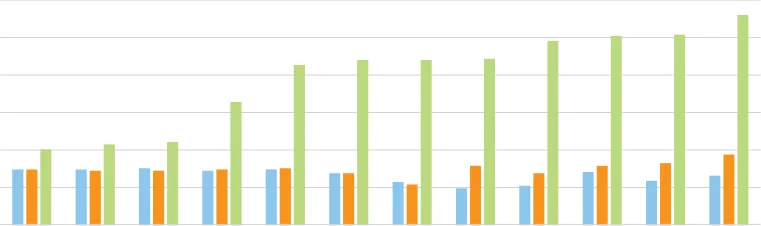
Figure 3.22 Average Market Prices per kg for Broilers in Ireland 2020 to 2022 (Non-Zero Axis)
Cent per Kg Million head
240
230
220
210
200
February
May
July
January
September
October
November
December
March
April
June
August
2020 2021 2022
Source: European Commission, Agriculture and Rural Development
Production 2022 Poultrymeat
Irish poultrymeat production had been on an upward trend for a number of years until 2020, when a record total of 111.7 million birds were slaughtered in DAFM approved slaughter plants. This figure saw a slight decline in 2021 and again in 2022. Poultry throughput for 2022 came in at 107.7 million birds slaughtered, down 2.4% on 2021. Ninety one percent of the birds slaughtered were broilers, with 2.3% ducks and 1.4% turkeys.
120
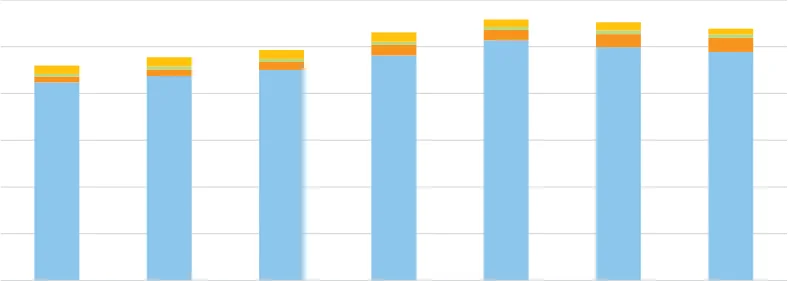
Figure 3.23 Poultry Slaughtering at DAFM Approved Slaughter Plants, 2016 – 2022 by Type
100
80
60
40
20
0
2016 2017 2018 2019 2020 2021 2022
Broiler Hen Turkey Duck
Source: DAFM
General Market Situation Eggs
The table egg (or hen eggs for human consumption) sector in Ireland is relatively small in comparison to our EU counterparts, forming 1% (3.8 million) of the 376 million laying hens in the 27 EU Member States.
Most of the table eggs produced in Ireland are consumed in Ireland. In 2023 Ireland imported about €3 million worth of fresh eggs from the United Kingdom and a further €1.3 million from Poland. Ireland exported fresh eggs valued at €13 million to the United Kingdom in 2022.
Apart from the fresh eggs exported, Ireland also exported other egg products valued at €33 million in 2022, up from €11 million in 2020 and €29 million in 2021. The volume has increased from 3,100 tonnes in 2020, 4,100 in 2021 and 4,300 in 2022. These egg products include egg yolks, egg albumin and fertilised eggs for incubation.
Table Egg Prices
The consumer price for a half dozen eggs has remained relatively stable over the past 11 years. While prices for large eggs per half dozen fell from an average of €1.89 in 2013 to €1.72 in 2018, prices have increased since then to €1.92, an increase of 11.6%. The 2022 price is just 1.6% above the 2013 price.
€2.00 €1.90 €1.80 €1.70 €1.60 €1.50 €1.40 €1.30 €1.20 €1.10 €1.00
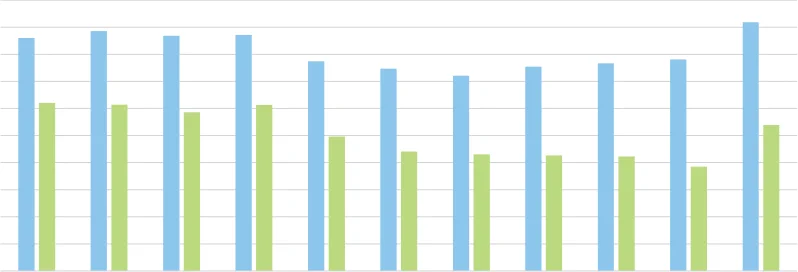
Figure 3.24 Consumer Prices for Half Dozen Eggs 2012 to 2022 (Non-Zero Axis)
2012
2013
2014
2015
2016
2017
2018
2019
2020
2021
2022
Large eggs per half dozen Medium eggs per half dozen
Source: CSO
Table Egg Production
Irish table egg production has been increasing over the last three years. However, outbreaks of diseases such as avian influenza (bird flu) have had a serious negative impact on some producers resulting in flocks being culled, leading to a significant loss in table egg production. In 2022, the volume of table eggs produced in Ireland was estimated at 65,000 tonnes (1.04 billion table eggs), a slight increase on the 64,000 tonnes produced in 2021 and a significant increase on the 58,000 tonnes produced in 2020, when various avian Influenza outbreaks had a significant negative impact on table egg production.
There was a total of 273 table egg production sites registered with DAFM in 2022, the same figure as for 2021. There was a relatively small number leaving the sector, which equalled those entering the sector. The total number of egg-laying birds in Ireland exceeded 3.8 million in 2022, a similar figure to 2021. However, it is worth noting that the number of barn egg places significantly increased from 1% to 5% of total bird places in 2022. In addition, for the first time ever, the proportion of free-range bird places exceeded the proportion of enriched cage bird places (46% vs 45% of total bird places respectively). The Irish table egg industry has commenced the change from enriched cage egg production to barn egg production. This is in response to retailer demand for table eggs from systems not involving enriched cage egg production.
Table 3.12 Proportion of Laying Hens by Farming Method 2022
Total Laying
Enriched
Barn Free Range Organic
Hens
Cage

Figure 3.25 Number of Poultry Egg Producers by Farming Method in 2022
Source: DAFM
200
| 183 | ||||||
|---|---|---|---|---|---|---|
| 45 | 35 | |||||
| 10 |
180
160
140
120
100
80
60
40
20
0
Organic Free range Barn Enriched cage
Source: DAFM
Sustainability
First launched in 2015, the Pig & Poultry Investment Scheme provides 40% grant funding aimed at improving energy efficiency at farm level. There are a number of eligible investments that can be taken up by poultry farmers and producers, these include energy efficiency measures such as water meters, boilers and solar panels, as well as upgrades to poultry housing such as roof and wall insulation, LED lighting and disease reduction facilities for existing poultry houses. TAMS 3, announced in early 2023, has a 40% grant rate, with a €500,000 investment ceiling.
Highlights
Poultry price saw record breaking levels in 2022, up 16% on 2021. M
Significant growth in exports to key markets for Irish poultrymeat such as the United M Kingdom and the Netherlands.
Challenges
Inflation, energy prices and the ongoing illegal invasion by Russia in Ukraine is M driving up production costs for farmers across all sectors. The poultry sector is heavily dependent on feed and electricity and the CSO Agricultural Price Indices 2022 reported that feeding stuff for poultry has increased by 33.1% in 2022, while electricity prices increased 63% year on year.
Irish poultrymeat production and exports have been significantly impacted by disease M outbreaks in 2021 and 2022, which has subsequently restricted access to several third country markets. A predominant market Ireland has been unable to regain access to is South Africa. In 2020 South Africa was Ireland’s second largest export destination behind the UK for poultry meat, accounting for €31.6 million in exports.
The ongoing threat of Avian Influenza remains a risk to the poultrymeat and egg M industry on the entire Island. Continued vigilance and collaboration between the industry and the government authorities is required to prevent entry and spread of the disease onto poultry holdings.
The desire of the retail trade to source eggs from egg production systems other than M the enriched cage type system is intensifying, with further pressure coming from animal welfare NGOs. This is a major concern for the industry as major investment will be required. The challenge for producers is being able to obtain contracts from the retail market that will allow them to invest and make an adequate return over the course of the investment. However, long term contracts from the retail sector are very difficult to obtain.
Ireland Outlook
The global trade environment will remain pivotal in determining the outlook for the M poultry industry in Ireland.
Irish poultry production and export market was significantly affected by disease M outbreaks in 2021 & 2022. The continued threat of disease and subsequent import restrictions is expected to affect international trade in 2023. In the medium term, developments in key market access negotiations for poultry meat to Japan and South Korea may lead to further opportunities for Irish poultry meat in the Asian market.
Food Vision 2030 envisages Ireland becoming a world leader in Sustainable Food M Systems over the next decade. Developing market opportunities at home and abroad is an important strategic goal and the creation of added value through insight, innovation and enhancement of consumer trust will be critical to its achievement.
Irish hen table egg production is anticipated to continue to grow on the back of a strong M consumer demand domestically for a good value source of protein and nutrition that is versatile to use. Enhancing access for table eggs to third country markets remains a key component of DAFM’s market access goals.
EU Outlook
The EU Agricultural Outlook for 2021-31 indicated that the current EU consumption M growth of poultrymeat is expected to slow, from 2% growth per year in 2011-2021 to 0.6% in 2021-2031, resulting in an increase from 23.5 kg per capita in 2021 to 24.8kg in 2031. This will be driven by a healthier image of poultry compared to other meats, greater convenience in its preparation and the absence of religious constraints in its consumption. EU production is expected to continue to increase by 0.4% per year, reaching 14 million tonnes in 2031.
In the longer term, demand is also expected to grow in key export destinations, such M as wings to the Asian market and halves and quarters to the African market. Over the next decade, as production starts meeting the increased demand, EU prices are predicted to steadily rise.
Pages 125–132 · View in original PDF