2.1 Project Ireland 2040
2 Policy Context
NR2040 is TII’s response to ensure the strategic alignment of the National Roads network to recently published Governmental policies, plans and planning/investment frameworks.
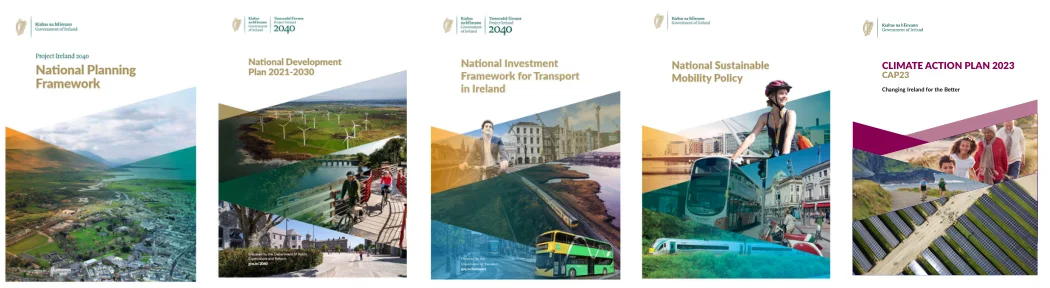
Figure 2.1. presents where NR2040 sits in the strategy and plan hierarchy of Project Ireland 2040.
CLIMATE ACTION PLAN 2023 CAP23
Changing Ireland for the Better
NR2040 was prepared in succession to NIFTI to ensure alignment between the departmental investment framework and the operational and functional needs of National Roads. Collaboration has taken place between DoT and TII, ensuring a common understanding of the network function, current and future users’ and infrastructure requirements on the network, to enable Project Ireland 2040.
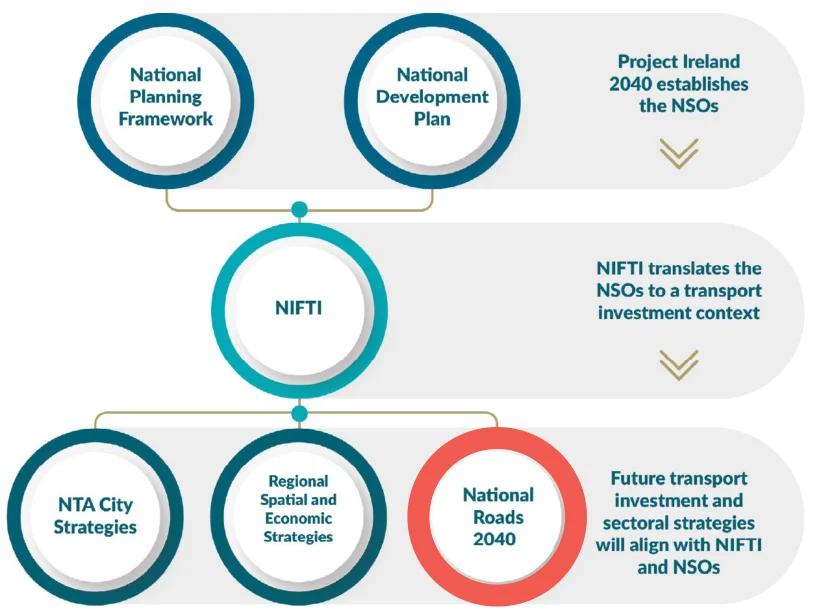
Figure 2.1 Project Ireland 2040 Hierarchy of Strategies and Plans, as shown in NIFTI
2.1 Project Ireland 2040
Project Ireland 2040 includes the National Planning Framework, which sets out the overarching spatial strategy for the next twenty years, along with the National Development Plan, which sets out the investment strategy and budget for the period 2021-2030.
2.1.1 National Planning Framework
Project Ireland 2040: National Planning Framework (NPF), is the government’s long term spatial strategy for accommodating population growth as well as responding to the need to rapidly decarbonise various sectors across Ireland. The NPF vision is encapsulated in the National Strategic Outcomes (NSOs) representing a shared set of goals, which include compact growth, enhanced regional accessibility, access to services and opportunities, strong rural communities, sustainable mobility, and the transition to a low carbon and climate resilient society, among others.
Within the NPF, there are various actions directly related to National Roads, set out under several of the NSOs, particularly: NSO1 Compact Growth; NSO2 Enhanced Regional Accessibility; NSO3 Strengthened Rural Economics and Communities; NSO4 Sustainable Mobility; and NSO6 High-Quality International Connectivity.
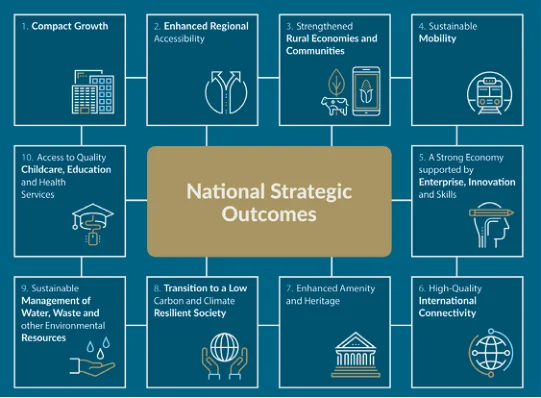
Figure 2.2 National Planning Framework NSOs
The NSO’s mentioned above emphasise the National Roads network’s strategic role in providing regional and international accessibility for all road users, including public transport and active travel modes. The NSOs also outline the importance of ensuring safety and a high level of service. A high-quality level of service. is to be achieved through the upgrade of existing corridors and effective traffic management. Detailed review in Appendix A.
2.1.2 National Development Plan 2021-2030
Project Ireland 2040: National Development Plan (NDP) 2021-2030, published in October 2021, is the Government’s over-arching ten-year investment strategy and budget. The NDP gives an overview of the transport strategy and subsequent strategic investment priorities across each of the ten NPF NSOs with reference to Ireland’s climate action goals.
NDP actions for National Roads fall particularly under: NSO1 Compact Growth; NSO2 Enhanced Regional Accessibility; NSO6 High-Quality International Connectivity; and NSO8 Transition to a Climate-Neutral and Climate-Resilient Society, as set out in Appendix A.
As part of NSO2, Enhanced Regional Accessibility, the NDP identified several National Roads’ schemes ‘currently under construction’ and several to ‘start construction’ in the near future. It also includes 31 National Roads’ schemes that are ‘subject to further approval’.
The NDP further highlights the role of National Roads in delivering NSO8, Transition to a Climate- Neutral and Climate-Resilient Society, by enabling significant transition from private internal combustion engine vehicles to electric vehicles. NSO8 also refers to encouraging modal shift from car to public transport and active travel modes. In addition, preventative measures to ensure climate resilience of the road network are required, to ensure safety and availability over time.
A mid-term review of NDP (2021-2030) will be undertaken in 2025, to allow the Government to: take stock of progress in terms of delivery of the planned projects and programmes. The review will also consider and potentially reaffirm the investment priorities of the Government.
Pages 14–15 · View in original PDF