6.5.3 |Monitoring NIFTI
6.5.3 |Monitoring NIFTI
The SEA Environmental Report has provided a monitoring framework for monitoring the environmental impacts of NIFTI and future transport investment. This framework includes a number of targets and indicators for each SEA objective as well as information sources for data required for monitoring.
Investment in the transport network and infrastructure can have a range of environmental impacts, both positive and negative. To ensure that future investment taken in accordance with NIFTI maximises the beneficial environmental impacts of transport, as well as mitigating potential negative impacts, our updated transport sectoral appraisal guidance will reflect the issues identified in the SEA, AA and SFRA and require project sponsors to give strong consideration to environmental issues. We will track key metrics and indicators over time to ensure that NIFTI is delivering its environmental objectives, and this information will also inform future reviews and updates of the national land transport investment framework.
This includes, but is not limited to, monitoring the following:
ᴏ The decrease or increase in road accidents as outlined in the Road Safety Strategy 2021- 2030
ᴏ The proportion of people reporting regular commuting by active travel
ᴏ The number of unmitigated conflicts with the appropriate protection of statutory designations relating to the landscape, including those within the land use plans of Local Authorities
ᴏ Greenhouse gas emissions from transport
ᴏ The percentage increase of non-hazardous construction and demolition waste used as a substitute material in road construction.
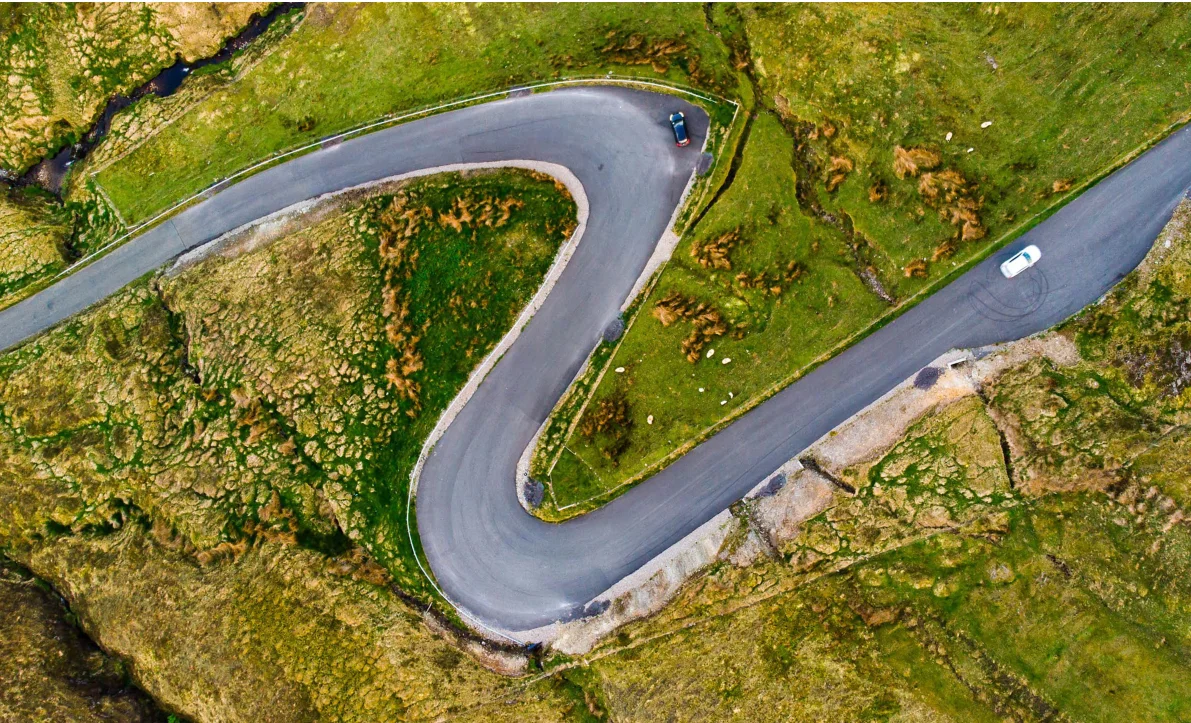
Figure from page 69
National Investment Framework for Transport in Ireland | Project Ireland 2040
List of Abbreviations
AA Appropriate Assessment
C-ITS Cooperative Intelligent Transport System
CAF Common Appraisal Framework for Transport Projects and Programmes
CAV Connected and Autonomous Vehicles
CCAC Climate Change Advisory Council
CNG Compressed Natural Gas
COVID-19 Coronavirus Disease 2019
DART Dublin Area Rapid Transit
DECC Department of the Environment, Climate and Communications
e-MOS enhancing Motorway Operation Services
EIA Environmental Impact Assessment
EPA Environmental Protection Agency
ETS Emissions Trading System
EU European Union
FDI Foreign Direct investment
GDP Gross Domestic Product
GNI* Modified Gross National Income
ITF International Transport Forum
LEV Low-Emission Vehicle
MaaS Mobility as a Service
NAPCP National Air Pollution Control Programme
NDP National Development Plan
NECD National Emissions Celling Directive
NIFTI National Investment Framework for Transport in Ireland
NIS Natura Impact Statement
NPF National Planning Framework
NSO National Strategic Outcome
NTA National Transport Authority
PPP Public-Private Partnership
SEA Strategic Environmental Assessment
SFRA Strategic Flood Risk Assessment
SIFLT Strategic Investment Framework for Land Transport
TEN-T Trans-European Transport Network
TII Transport Infrastructure Ireland
UK United Kingdom
National Investment Framework for Transport in Ireland | References
References
1 Cahill, R. et al. (2020). Travelling in a Woman’s Shoes: Understanding Women’s Travel Needs in Ireland to Inform the Future of Sustainable Transport Policy and Design. Dublin: Transport Infrastructure Ireland.
12 Renteria, C., Harris, J., Allen, R. and Groom, S. (2017). Ireland: Public Investment Management Assessment. Washington, D.C.: International Monetary Fund.
13 The Central Statistics Office defines a town as an urban area with a population exceeding 1,500 people.
2 As well as the five cities, the National Planning Framework defines Athlone, Drogheda, Dundalk, Letterkenny and Sligo as important regional centres.
14 EU Council Directive 2011/92/EU on the assessment of the effects of certain public and private projects on the environment.
3 As well as land transport, this allocation includes funding for aviation, maritime transport, sports and tourism. Historically, however, land transport is by far the largest area of capital expenditure within this group, averaging 94% of the total from 2010 to 2019.
15 An Environmental Report is undertaken on a specific environmental issue when EIA is not required.
Photo Credits:
Galway, City Centre, Eyre Square (Section 2) by Professor Chaosheng Zhang
4 Duffy, P., Black, K., Ryan, A. M., Ponzi, J. and Alam, S. (2018). National Inventory Report 2018. Wexford: Environmental Protection Agency.
5 EPA (2017). Ireland’s Greenhouse Gas Emission Projections 2016-2035. Wexford: European Protection Agency.
6 Breen, B., Brewster, P., O’ Driscoll, C., Tsakiridis, A. (2018). The Implications of Brexit on the Use of the Landbridge. Dublin: Irish Maritime Development Office.
7 ITF (2018). Shared Mobility Simulations for Dublin. Paris: International Transport Forum Policy Papers.
8 Schwab, K. and Sala-i-Martín, X. (2017). Global Competitiveness Report 2017-2018. Geneva: World Economic Forum.
9 Burningham, S. and Stankevich, N. (2005). Why Road Maintenance is Important and How to Get it Done. Washington, DC: World Bank.
10 Feighan, K. and Finnegan, J. (2017). National Roads Pavement Renewals Programme: Business Case. Dublin: Transport Infrastructure Ireland.
11 Department of Transport, Tourism and Sport (2017). The Costs of Congestion: An Analysis of the Greater Dublin Area. Dublin: Government Publications.

Figure from page 72
Department of Transport gov.ie/transport
Pages 69–72 · View in original PDF