Modelling for CAP
Modelling for CAP
In February 2021, the NTA and Department of Transport commissioned a detailed transport modelling and appraisal exercise to support the development of the Climate Action Plan (CAP21) and the emerging Climate Action Plan
tool available to the Department of Transport for estimating overall emissions impacts and the likely behavioural responses to potential interventions and policy measures at a national level.
Measures modelled in the analysis included certain policies aimed at reducing travel demand, a broad range of measures to enhance public transport services, delivery of expanded active travel and public transport infrastructure, as well as measures to increase the share of biofuels and electrification in the transport sector.
2023 (CAP23). The modelling and appraisal were undertaken over three phases and used purposebuilt modelling tools as well as the NTA’s Regional Modelling System (RMS). Underpinned by a National Demand Forecasting Model (NDFM) that accounts for projected demographic growth and spatial planning data, the RMS is the most robust
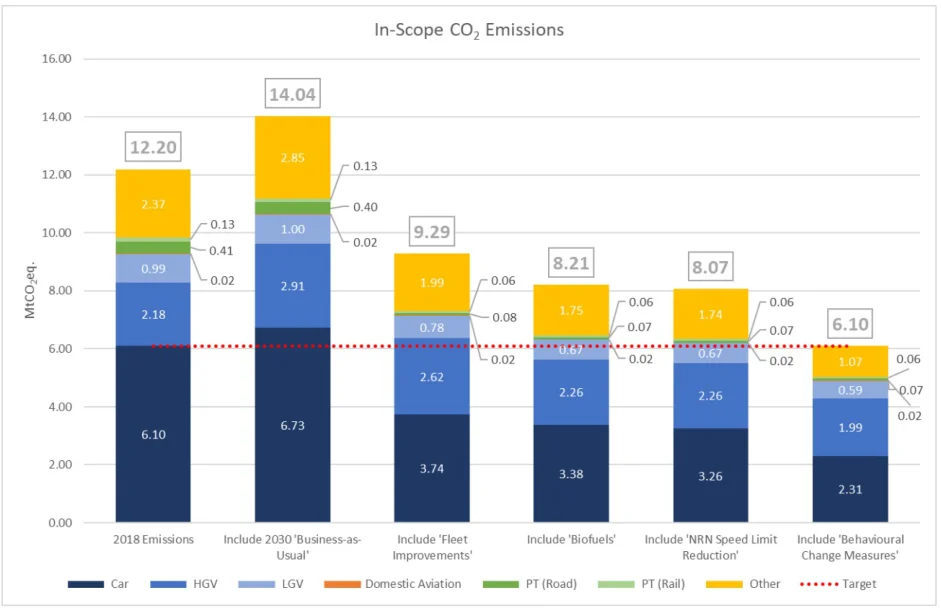
Figure 14: Predicted Reduction in Carbon Emissions 2018 – 2030 (Pathway to 50% in 2030)
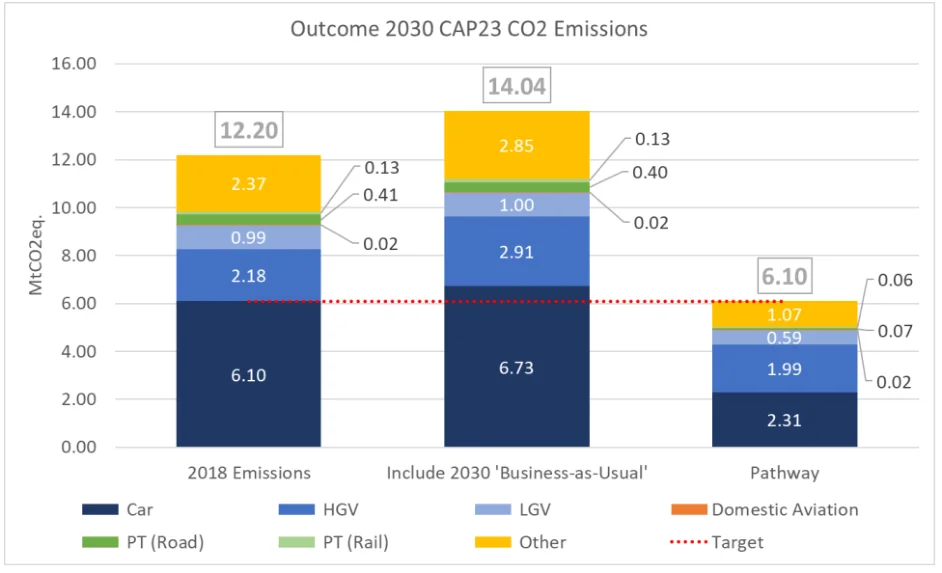
Figure 15: Outcome Carbon Emissions 2018 – 2030
Measures modelled in the analysis were:
Some of the measures within CAP23 are within the scope of this Strategy but will require further policy design. There are also a range of potential measures that are considered as part of this Strategy which do not feature in the modelling assumptions but have strong potential to impact efforts on reducing vehicle kms. A recommendation arising from this Strategy is to consider how broader socio-economic impacts of various demand management measures can be determined alongside the behaviour impacts which the NTA framework can model, in a way that can better inform a wider cost/benefit analysis of demand management schemes.
ᴏ Increased working from home/public awareness campaigns;
ᴏ Car-free urban centres;
ᴏ Congestion charging;
ᴏ Increased fossil fuel cost;
ᴏ Parking constraints;
ᴏ Improved public transport service interchange through investment in programmes such as Bus Connects; and
ᴏ Reduced public transport fares through initiatives such as the 90-Minute Fare, Young Adult Card and the 20% discount on PSO services.
Noting that three years have elapsed since the last major update of this transport emissions modelling, and given the likely overshoot of the transport sectoral ceiling for Carbon Budget 1, the Department and the NTA are undertaking an updated transport modelling and appraisal exercise (the Corrective Actions Modelling Project) to revise and recalibrate the existing CAP23 modelling, and re-assess and strengthen the decarbonisation policy pathway for transport to 2030. This work will be accompanied by extensive stakeholder engagement and a socio-economic assessment of the proposed policy measures / pathways.
While the modelling assumptions and measures did not represent agreed policy measures, they outlined one representative pathway that could be pursued in order to reach the decarbonisation targets set by Government, which was provided as example measures to better communicate the level of change that is necessary to deliver a 50% reduction in transport emissions by 2030.
Pages 71–72 · View in original PDF