Road Safety Policy
Road Safety Policy
Analysis of the 2025 data shows that there were 174 fatal collisions resulting in 185 fatalities. In 2025, driver fatalities represent 41% of fatalities (76), while passengers represent 11% of fatalities (21). Compared to 2024 there has been an increase in fatalities amongst drivers (+5), pedestrians (+8), pedal cyclists (+2), and motorcyclists (+13). In contrast there has been a decrease in fatalities among passengers (-14), and no change in the number of fatalities among E-Scooter users. Of fatalities 74% (137) were male and 26% (48) were female.
Every citizen is entitled to use our roads without concern for their safety. For this reason, every fatality and serious injury that occurs on Irish roads is a tragedy for all involved and effected. The numbers of fatalities in 2025 (185) were 8% higher than in 2024 (172). Fatality figures in recent years have increased to levels last seen approximately a decade ago.
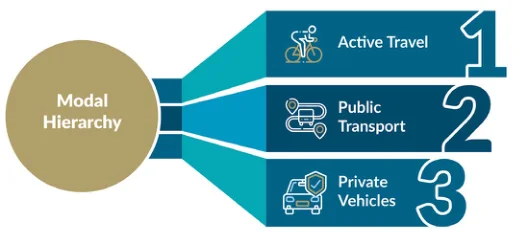
Figure from page 43
Apart from the obvious human costs, the financial costs of road traffic collisions in Ireland are also significant, conservatively estimated at €1.36 billion in 2023 across the economy. When appraising transport investment, safety is a factor in the Cost-Benefit Analysis. The Transport Appraisal Framework (TAF) measures the social and economic costs of collisions by monetising them and including them in the Cost-Benefit Analysis (c. €2.8m for fatal incidents, €0.03m for minor incidents). The TAF also requires a safety assessment in the Transport and Accessibility Appraisal (TAA) which indicates how options for a scheme perform on the safety front.
The framework for road safety is set out in the Government’s fifth Road Safety Strategy 2021 – 2030. This follows international best practice, aligns the timeframe with EU and UN targets, and is based on a Safe System approach. This approach adopts a holistic view of the total road transport system and the interaction between people, vehicles, and the road environment to create a safe mobility system forgiving of human error. The Strategy has the ambitious target of reducing road deaths and serious injuries by 50% by 2030, and to achieve Vision Zero (as close as possible to no deaths or serious injuries) on Irish roads by 2050.
In the context of Moving Together, demand management measures have considerable cobenefits for road safety. A 2025 study by TU Dublin on behalf of the Road Safety Authority, namely ‘RSA Action 44 - Towards Vision Zero for Cities & Towns: People, Process, Package of Interventions’ examines the mechanisms for reducing vehicular traffic in cities and towns, and how this can improve road safety, as well as increase quality of life for residents and regenerate towns centres. The study shows how the small Galician city of Pontevedra was revitalised and achieved Vision Zero for road deaths over many years by implementing pedestrian-focused policies, and reducing the dominance of congested roads. Other use cases in the study illustrate the importance of 30-40km/hr speed limits, reducing through-traffic and the importance of investing in good walking and cycling infrastructure, public transport and high-quality public spaces.
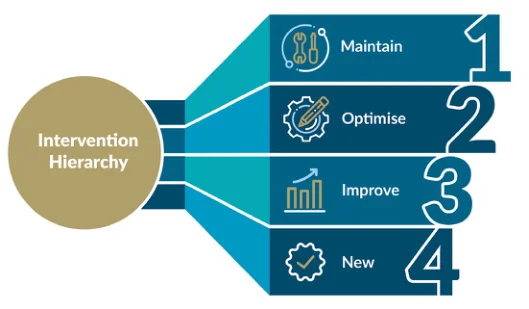
Figure from page 43
Notwithstanding the increases in fatalities in recent years, there is good reason to believe that the figures could have been worse had certain measures not been implemented and that further measures, including benefits from certain demand management style measures to reduce vehicle kilometres travelled, could lead to more improvements and more lives saved.
It should be remembered also that, while a demand management strategy can help to contribute to road safety, the converse is also true – improved road safety can contribute to demand management (by making active travel more attractive).
Page 43 · View in original PDF