4 Policy Review
- Policy Review
4.1 Introduction
In preparing this transport strategy, the NTA took into account a vast array of policies, guidelines, plans and programmes of a large number of international, national, regional and local government bodies and agencies. These included the UN Sustainable Development Goals, the Climate Action Plan 2021 and recent climate action legislation.
“Planning and transport policies are highly interdependent. Establishment of the National Transport Authority (NTA) in 2009 was intended to deliver a more focused and integrated approach to the planning and delivery of integrated transport infrastructure and services both on a national basis generally and especially in the Greater Dublin Area.”
This chapter focuses on a key input into the Transport Strategy – the Climate Action and Low Carbon Development (Amendment) Act 2021, which sets out emissions reduction targets on a statutory basis.
Government of Ireland, 2018 National Planning Framework
Detail is also provided on the two primary statutory policy documents which, from a policy and integrated planning perspective, have most directly framed the Transport Strategy:
4.2 Climate Action Legislation
Project Ireland 2040; and
In July 2021 the Climate Action and Low Carbon Development (Amendment) Act 2021 was signed into law.
The Eastern and Midland Regional Assembly’s Regional Spatial and Economic Strategy.
This Act establishes the following national climate objective: “The State shall, so as to reduce the extent of further global warming, pursue and achieve, by no later than the end of the year 2050, the transition to a climate resilient, biodiversity rich, environmentally sustainable and climate neutral economy.”
The Transport Strategy is required by legislation to be consistent with these plans and a close iterative relationship is required between them.
Other policy documents considered are listed at the end of this section.
To achieve that objective the Act sets out a number of actions.
These include:
This is a highly significant and challenging target, which will fundamentally guide and direct transport provision and use in Ireland over the next decade. Achieving this target will require a major transformation in transport patterns, focused on increasing travel by sustainable modes and reducing travel by petrol/diesel powered vehicles.
The preparation of an annual update to the Climate Action Plan 2019;
The preparation, not less frequently than once every 5 years, of a national long term climate action strategy (referred to as a ‘national long term climate action strategy’);
Chapter 16 of the Transport Strategy sets out a pathway for the achievement of a 50% reduction in CO2 emissions for travel in the GDA by 2030 through a combination of measures to be implemented by a range of actors, including government, local authorities and the private sector.
The establishment of carbon budgets, aligned with the achievement of the national climate objective, for consecutive five year periods;
The preparation of “sectoral emissions ceilings” which establish the maximum amount of greenhouse gas emissions that are permitted in different sectors of the economy during the five year period of a carbon budget;
4.3 Project Ireland 2040
4.3.1 National Planning Framework 2040 (NPF)
The NPF is a strategic development framework that sets out the long-term context for Ireland’s physical development and associated progress in economic, social and environmental terms until 2040. These are set out under a number of National
The preparation of “local authority climate action plans” covering periods of five years, which are required to specify the mitigation measures and the adaptation measures to be adopted by the relevant local authority in relation to climate matters; and
Strategic Outcomes and Priorities, as illustrated in Figure 4.1.
An obligation that public bodies must take account of Climate Action Plans in the performance of their functions.
NPF National Policy Objectives
The various policies within the NPF are structured under National Policy Objectives (NPOs). NPOs were developed following extensive analysis and consultation and set a new way forward for regional and local planning and sustainable development policy in Ireland.
The Act provides that the first two five-year carbon budgets should equate to a total reduction of 51% over the period to 2030, relative to a baseline of 2018. This overall target has been disaggregated into sectoral targets, with the transport sector required to achieve a 50% reduction.
The key NPOs relevant to the development of the Transport Strategy include:
Figure from page 27
NPO 1c: 320,000 additional people in employment in the EMR (1.34 million in total);
NPO 2a: A target of 50% of future population and employment growth will be focused in the existing five cities and their suburbs;
NPO 3a: At least 40% of all new housing to be delivered nationally within the existing built-up areas of cities, towns and villages on infill and/or brownfield sites;
NPO 3b: Deliver at least half (50%) of all new homes that are targeted in the five cities and suburbs of Dublin, Cork, Limerick, Galway and Waterford, within their existing builtup footprints;
NPO 9: Settlements outside of ‘City and Suburbs’ may be identified for significant (i.e. 30% or more) rates of population growth at regional and local planning stages. The NPF makes reference to the fact that these settlements may lie within the commuter catchment of the City or in areas that have potential for high sustainable mode shares. This would align with settlements along the existing rail lines and future high capacity transport corridors in the GDA;
NPO 68: Metropolitan Area Strategic Plans (MASPs) may enable up to 20% of the phased population growth targeted in the principal City and Suburban area, to be accommodated in the wider Metropolitan Area i.e. outside the city and suburbs, in addition to growth identified for the Metropolitan area. The NPF states that this should be subject to any relocated growth being in the form of compact development, such as infill or a sustainable urban extension and/or being served by high capacity public transport and/or related to significant employment provision.
NPO 27: Ensure the integration of safe and convenient alternatives to the car into the design of our communities, by prioritising walking and cycling accessibility to both existing and proposed developments, and integrating physical activity facilities for all ages; and
Key future growth enablers directly related to transport include:
National Strategic Outcomes (NSO) defined by the NPF have been incorporated into the NDP with further investment details. Some of the projects of relevance to the Strategy are summarised as follows:
Delivering the key rail projects set out in the Transport Strategy for the Greater Dublin Area including MetroLink and the DART+ Programme (previously referred to as DART Expansion);
NSO 2 – Enhanced Regional Accessibility
The development of an improved bus-based system, with better orbital connectivity and integration with other transport networks;
Protection and Renewal Programme for National Roads;
Investment in regional and commuter bus fleet;
Various national road schemes; and
Public realm and urban amenity projects, focused on streets and public spaces, especially in the area between the canals and where linked to social regeneration projects;
Protection and renewal of the railway network.
NSO 3 – Strengthened Rural Economies and Communities
Delivery of the cycle network set out in the Greater Dublin Area Cycle Network Plan inclusive of key commuter routes and urban greenways on canal, river and coastal corridors;
Greenways Strategy;
Improving access to Dublin Airport, to include improved public transport access; and
Active Travel in towns and villages; and
“Connecting Ireland” public transport programme.
Facilitating the growth of Dublin Port through greater efficiency, limited expansion into Dublin Harbour and improved road access, particularly to/from the southern port area.
NSO 4 – Sustainable Mobility
Metrolink;
BusConnects Dublin;
4.3.2 National Development Plan 2021-2030 (NDP)
DART+ Programme;
Continued investment in bus and train fleets;
The NDP sets out the investment priorities that will underpin the successful implementation of the NPF up to 2030.
Transition urban bus fleet to low emission, including electric buses;
Figure 4.1: NPF National Strategic Outcomes and NDP Priorities
Delivery of comprehensive cycling and walking network in metropolitan areas;
Safe Routes to Schools Programme; and
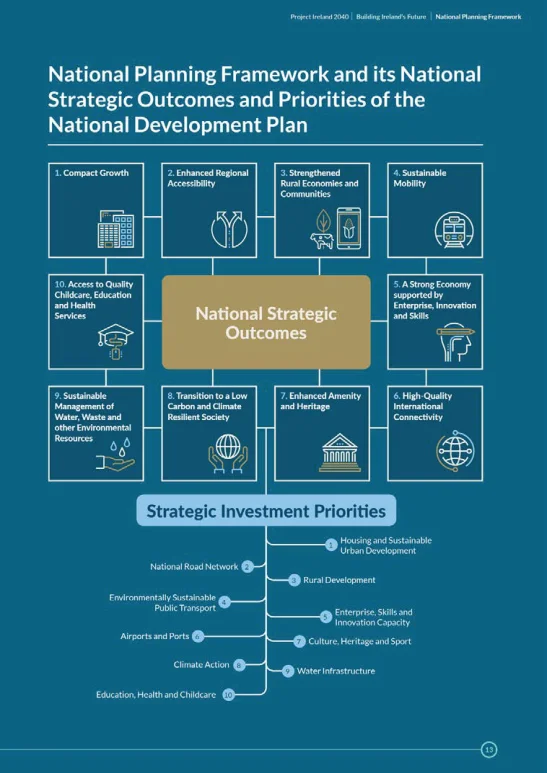
Figure 4.1: NPF National Strategic Outcomes and
Undertake appraisal, planning and design of Luas network expansion to Bray, Finglas, Lucan, and Poolbeg.
NSO 6 - High-Quality International Connectivity
Completion of the new North Runway for Dublin Airport; and
Further infrastructural investment at Dublin Port to accommodate larger sea-going vessels and increase capacity.
NSO 8 – Transition to a Low-Carbon and Climate-Resilient Society
Nearly one million electric vehicles on the road by 2030 with additional charging infrastructure to cater for growth
An additional 500,000 sustainable mobility journeys per day by 2030;
Transition to a low or zero emission public bus fleet;
Expand the refuelling network for alternately fuelled vehicles to address freight emissions; and
Comprehensive integrated public transport network for Ireland’s cities connecting more people to more places. Figure 4.1 – NPF National Strategic Outcomes and NDP Priorities.
4.4 National Investment Framework for Transport in Ireland
the Intervention Hierarchy, maintaining the existing transport network will be given first priority, followed by maximising the value of the network through optimising its use. Infrastructural investments will only be considered after these two categories have been assessed as inappropriate for the identified problem, with upgrades to existing infrastructure to be considered before new infrastructure.
The National Investment Framework for Transport in Ireland (NIFTI), published in 2021, translate the NPF’s NSOs into a transport specific investment context. NIFTI will guide transport investment in the years ahead to enable the National Planning Framework, support the Climate Action Plan, and promote positive social, environmental and economic outcomes throughout Ireland.
These hierarchies have been fully incorporated into the development of the Transport Strategy.
4.5 Regional Spatial and Economic Strategy
It is within the context of NIFTI that the Transport Strategy has been developed and the Regional Spatial and Economic Strategy (RSES) will be reviewed.
Under the Planning Acts, the Regional Spatial and Economic Strategy (RSES) addresses, inter alia, the following matters:
There are 4 key investment priorities in the NIFTI as follows:
Government policies or objectives related to population targets;
- Decarbonisation;
Enabling job creation;
- Protection and Renewal;
Proposals for augmenting the economic performance of the region;
- Mobility of People and Goods in Urban Areas; and
The location of employment, industrial, commercial and retail development;
- Enhanced Regional and Rural Connectivity
These investment priorities are supplemented by two principles-based hierarchies which will ensure that the most sustainable means of delivering a given transport project is selected. The Modal Hierarchy places active travel at the top, followed by public transport and private vehicles. In terms of
The location of housing; and
The provision of transportation, including public transportation.
When making the RSES, the Eastern and Midland Regional Assembly (EMRA) must ensure that it is consistent with the prevailing GDA Transport Strategy. This consistency relates to those elements of the RSES for which the NTA is responsible in terms of strategic planning, i.e. investment in public transport, roads, walking and cycling. The current RSES covers the period 2019-2031 and is consistent with the 2016-2035 Transport Strategy, as it incorporates the strategy’s measures in the appropriate manner.
In addition to setting out Regional Strategic Outcomes (RSOs), which are aligned with the National Strategic Outcomes (NSOs) in the NPF, the RSES also identifies regional assets, opportunities and pressures and provides appropriate policy responses in the form of Regional Policy Objectives (RPOs). See Figure 4.2.
The following RPOs of the RSES are of most relevance to Transport Strategy:
RPO 4.2: Infrastructure investment and priorities shall be aligned with the spatial planning strategy of the RSES. All residential and employment developments should be planned on a phased basis in collaboration with infrastructure providers so as to ensure adequate capacity for services (e.g. transport) is available to match projected demand for services and that the assimilative capacity of the receiving environment is not exceeded;
In turn, the Transport Strategy 2022-42 is required to be consistent with the spatial and economic policies and objectives of the prevailing RSES. The NTA has cooperated closely with the EMRA in the development of the Transport Strategy. It has incorporated its population distribution and has taken into account the forecast future employment patterns. The Transport Strategy has been developed to align with, and support the objectives of, the current RSES.
RPO 4.3: Support the consolidation and re-intensification of infill/brownfield sites to provide high density and people-intensive uses within the existing built up area of Dublin City and suburbs and ensure that the development of future development areas is coordinated with the delivery of key public transport projects;
The RSES provides the spatial framework for alignment of key transport infrastructure and investment throughout the Region, setting out locations for population and employment growth, with a focus on delivering compact growth within existing urban footprints in Dublin and designated settlements in the RSES Settlement Hierarchy.
RPO 4.31: Support Swords-Dublin Airport as a key location for airport-related economic development and employment provision linked to the protection and enhancement of access to Dublin Airport lands including the delivery of Metrolink;
Key transport policies which were developed in collaboration with NTA include Guiding Principles for Integration of Land use and Transport, and Transport Investment Priorities for the Region.
RPO 4.33: Support the continued development of Maynooth, coordinated with the delivery of strategic infrastructure including pedestrian and cycle linkages within the town and to the Royal Canal Greenway, DART expansion and road linkages forming part of the Maynooth Outer Orbital Route in a manner which supports future development and population growth and builds on synergies with Maynooth University promoting a knowledge-based economy;
RPO 8.1: The integration of transport and land use planning in the Region shall be consistent with the guiding principles expressed in the transport strategy of the RSES;
RPO 8.2: The capacity and safety of the Region’s strategic land transport networks will be managed and enhanced, including through the management of travel demand in order to ensure their optimal use;
RPO 8.3: That future development is planned and designed in a manner which maximises the efficiency and protects the strategic capacity of the metropolitan area transport network, both existing and planned and to protect and maintain regional accessibility;
RPO 4.40: To support ongoing investment in public transport infrastructure, including the appraisal, planning and design of the Luas extension to Bray. The development of Bray-Fassaroe should be undertaken in collaboration between Wicklow County Council, Dún Laoghaire-Rathdown County Council and the transport agencies to ensure the delivery of enabling transportation infrastructure and services;
RPO 8.4: Land use plans within the GDA shall demonstrate a consistency with the NTA’s Transport Strategy for the Greater Dublin Area and plans within or outside of the GDA shall be consistent with the guiding principles expressed in the RSES;
RPO 4.48: Promote the improvement of the transport network within and serving Naas town, including delivery of a robust and efficient walking, cycling and bus network with strong links to Sallins Railway Station, key destinations within the town and to the North West Quadrant and town centre area;
RPO 8.5: To support the preparation of a regional strategy for freight transport in collaboration with the relevant transport agencies and the other Assemblies; and
RPO 8.6: In order to give local expression to the regional level Transport Strategy within the Region in conjunction with the NTA, Local Transport Plans (LTP) will be prepared for selected settlements in the Region.
RPO 4.52: Support the delivery of new and enhanced public transport infrastructure in Naas and Sallins, including Park and Ride and interchange facilities as identified by the NTA and Kildare County Council;
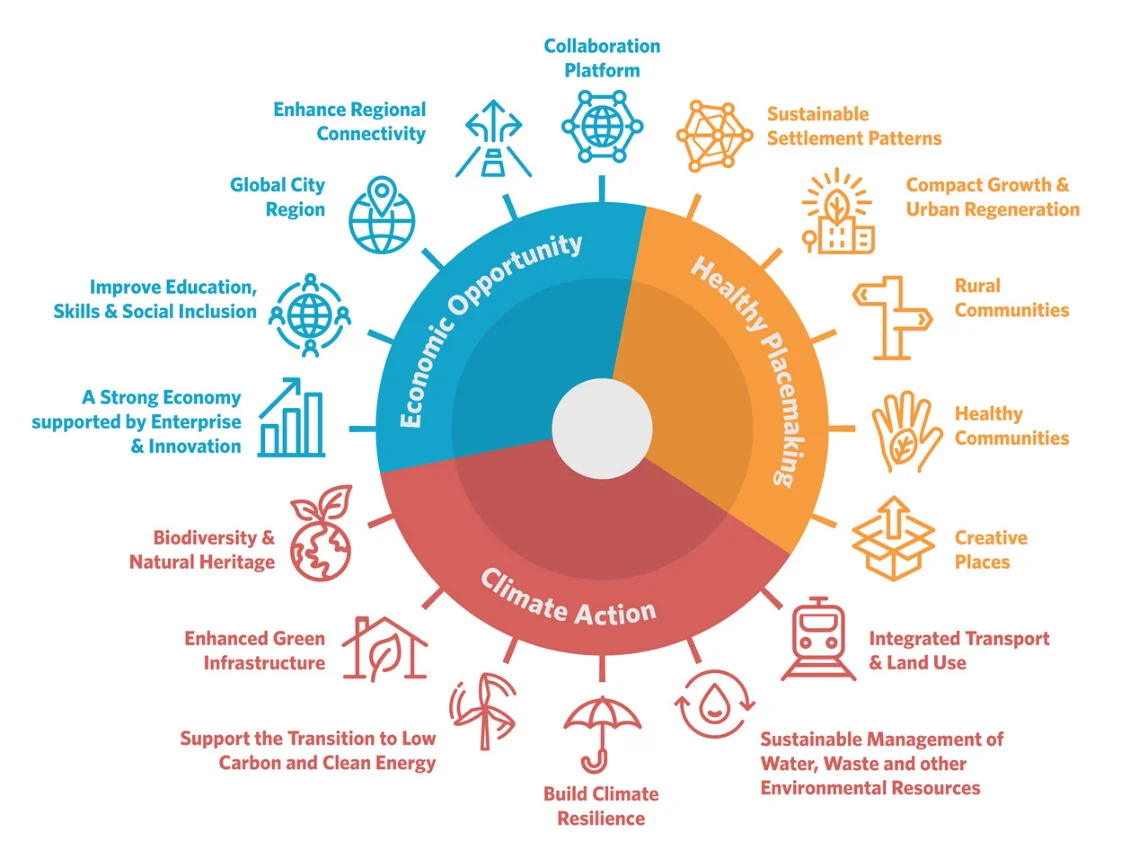
Figure 4.2: Regional Spatial and Economic Strategy – Regional Strategic Outcomes
RPO 5.3: Future development in the Dublin Metropolitan Area shall be planned and designed in a manner that facilitates sustainable travel patterns, with a particular focus on increasing the share of active modes (walking and cycling) and public transport use and creating a safe attractive street environment for pedestrians and cyclists; and
Metropolitan Area Strategic Plan
The RSES also incorporates the Dublin Metropolitan Area Strategic Plan (MASP). This plan includes a number of guiding principles and identifies the strategic development corridors for accommodating future growth. It also sets out the enabling infrastructure, including transport. The MASP comprises a key input into the transport strategy by providing clear direction in terms of spatial planning policy at the Metropolitan level.
RPO 5.8: Support the promotion and development of greenway infrastructure and facilities in the Dublin metropolitan area and to support the expansion and connections between key strategic cycle routes and greenways as set out in the NTA Greater Dublin Area Cycle Network Plan.
The Strategic Development Areas and Corridors identified by the MASP are set out below along with a selection of the identified enabling transport infrastructure:
City Centre and Area within the M50 – Luas extensions, DART Underground, Dodder Bridge;
The MASP also sets out the potential growth of the Strategic Employment Development Areas, which include:
North-South Corridor – DART+; Luas Bray, Access Roads;
Docklands, Poolbeg and Grangegorman;
North-West Corridor – DART+, New Orbital Roads;
Bray and Greystones;
South Western Corridor – DART+; and
Dublin Enterprise Zone (Dublin 15);
MetroLink / Green Line Corridor – Luas Green Line Upgrade; MetroLink.
Dunboyne, Leixlip and Maynooth;
The following Regional Policy Objectives are included as part of the MASP:
Naas Road / Ballymount;
Tallaght / Cookstown;
RPO 5.2: Support the delivery of key sustainable transport projects including Metrolink, DART and Luas expansion programmes, BusConnects and the Greater Dublin Metropolitan Cycle Network and ensure that future development maximises the efficiency and protects the strategic capacity of the metropolitan area transport network, existing and planned;
Grange Castle;
Cherrywood / Ballyogan / Sandyford; and
Swords / Dublin Airport / South Fingal.
4.6.1 International/European
A further set of RPOs detail the EMRA’s support for the transport schemes and projects set out in the Transport Strategy for the GDA 2016-2035. The NTA has taken the above objectives, the population and employment forecasts, and the outcomes of our detailed liaison with the local authorities which translated the regional forecasts into local areas, and has prepared this Transport Strategy as a transportation response to the demand set out by the land use agencies. In this manner, the Transport Strategy has been developed to be consistent with the RSES, incorporating the MASP, in line with the relevant legislative requirements.
Transforming our world: the 2030 Agenda for Sustainable Development (UN, 2015)
The Paris Agreement (UN, 2015)
COP 26 (Conference of the Parties, 2021)
Smart and Sustainable Mobility Strategy – putting European transport on track for the future (European Commission, 2020)
European Union (EU) Green Deal (European Commission, 2019)
4.6 Other Policies
Trans-European Transport Network – TEN-T (European Commission, 2019)
The following policies and plans have also been taken into account in a number of ways in preparing this Transport Strategy. They have assisted in crafting the strategy’s aims and objectives, provided direction in terms of future land use patterns, set out overarching government policies; and provided detailed guidance on how best to deliver the transport strategy.
European Union White Paper, Roadmap to a Single European Transport Area - Towards a Competitive and Resource Efficient Transport System (European Commission, 2011)
Habitats Directive (The Council Of The European Communities, 1992)
SEA Directive (Council of the European Union, 2001)
United Nations Convention on the Rights of Persons with Disabilities (UN, 2006)
This is not intended to be an exhaustive list and there are many legislative and administrative provisions guiding the development and operations of transport infrastructure and services, in particular in relation to accessibility. The list below comprises those policies and guidance documents of most relevance in the preparation of a regional-level transport strategy.
Accessibility and Useability of the Built Environment (CEN, CENELEC, 2021)
4.6.2 National
Developing Resilience to Climate Change in the Irish Transport Sector (DTTAS, 2017)
Policies and Plans
2021-2030 Road Safety Strategy (Road Safety Authority, 2021)
National Sustainable Mobility Plan (Dept. of Transport, 2022)
Draft 10-Year Strategy for the Haulage Sector (DoT, 2021)
Five Cities Demand Management Study (Department of Transport)
National Disability Inclusion Strategy 2017-2021 (Department of Children, Equality, Disability, Integration and Youth, 2017)
Smarter Travel (Department of Transport Tourism and Sport, 2009)
EN 17478: Transport Services - Customer communications for passenger transport services: A Universal Design approach (NSAI, 2021)
The White Paper: Ireland’s Transition to a Low Carbon Energy Future 2015-2030 (Department of Environment, Climate and Communications, 2020)
Guidance
Sustainable Residential Development in Urban Areas (Department of Environment, Heritage and Local Government, 2009)
Electric Vehicle Charging Infrastructure Strategy 2022-2025 (Department of Transport, 2022)
National Adaptation Framework 2018 (DECC, 2018) accompanied with Sectoral Adaptation Plan for Transport Infrastructure 2019 (DoT, 2019)
Guidelines for Planning Authorities on Sustainable Urban Housing: Design Standards for New Apartments (Department of Housing, Local Government and Heritage, 2020)
National Mitigation Plan (Government of Ireland, 2017)
The Sustainable Development Goals National Implementation Plan 2018-2020 (Government of Ireland, 2018)
Urban Design Manual: A Best Practice Guide
Design Manual for Urban Roads and Streets (Government of Ireland, 2019)
Rebuilding Ireland: Action Plan for Housing and Homelessness (Government of Ireland, 2016) and Housing for All - a New Housing Plan for Ireland (Department of Housing, Local Government and Heritage, 2021)
Permeability: A Best Practice Guide (NTA)
Spatial Planning and National Roads: Guidelines for Planning Authorities (TII)
National Ports Policy (Department of Transport, 2019)
Achieving Effective Workplace Travel Plans: Guidance for Local Authorities (NTA)
Climate Action Plan (Government of Ireland, 2021)
National Cycle Policy Framework (DTTAS, 2009)
Interim Climate Actions (Government of Ireland, 2021)
National Cycle Manual (NTA, 2011)
| National Transport Authority 37 Greater Dublin Area Transport Strategy 2022-2042 | |
|---|---|
| 4.6.3 Regional y Transport Strategy for the Greater Dublin Area 2016-2035 (NTA, 2016) y Integrated Implementation Plan 2019-2024 (NTA, 2019) y Greater Dublin Area Cycle Network Plan (NTA, 2013) 4.6.4 County y Dublin City Development Plan y Fingal County Development Plan y South Dublin County Development Plan y Dun Laoghaire-Rathdown County Development Plan y Meath County Development Plan y Kildare County Development Plan y Wicklow County Development Plan y Emerging Draft Development Plans 4.6.5 Local y Local Area Plans (LAPs) y Strategic Development Zone (SDZ) Planning Schemes y Noise Action Plans y Dublin Air Quality Plan (Dublin local authorities, tbc) |
Figure from page 38
5. Strategy Aim and Objectives
Pages 25–38 · View in original PDF