7.5 Biodiversity and Natural Heritage
7.5 Biodiversity and Natural Heritage
Biodiversity protection is core to the EU Birds and Habitats Directives but is also incorporated into the Marine Strategy Framework Directive, the Water Framework Directive (marine waters) the Nitrates Directive (agricultural run-off), the SEA Directive, EIA Directive and the Invasive Species Regulations.
| Legend Regional Assesmbly Boundary r[ Refuge for Fauna b[ Important Bird Area !Æ Wildfowl Sanctuary Special Protection Area (SPA) Special Area of Conservation (SAC) Natural Heritage Area (NHA) Proposed Natural Heritage Area (pNHA) Areas of Special Scientific Interest (NI) UNESCO Biosphere Reserve Ramsar Site Legend Regional Assesmbly Boundary r[ Refuge for Fauna b[ Important Bird Area !Æ Wildfowl Sanctuary Special Protection Area (SPA) Special Area of Conservation (SAC) Natural Heritage Area (NHA) Proposed Natural Heritage Area (pNHA) Areas of Special Scientific Interest (NI) UNESCO Biosphere Reserve Ramsar Site ² Data Source: NPWS (August 2018); MIDA; DAERA (March 2017); Ramsar.org. © Crown copyright. All rights reserved. Northern Ireland Environment Agency [2018]. | |
|---|---|
| Legend Regional Assesmbly Boundary r[ Refuge for Fauna b[ Important Bird Area !Æ Wildfowl Sanctuary Special Protection Area (SPA) Special Area of Conservation (SAC) Natural Heritage Area (NHA) Proposed Natural Heritage Area (pNHA) Areas of Special Scientific Interest (NI) UNESCO Biosphere Reserve Ramsar Site | |
| Regional Spatial & Economic Strategies SEA, AA | & RFRA Scale: 1:950,000(A4) File Ref: MDR1402Arc0060F01 |
Designated Sites
Figure 7.2 Designated Sites in the Region
Status of Designated Sites
Under the Habitats Directive, Ireland is obliged to report on the status of habitats and species every six years. Unfortunately assessments show that most of the 58 habitats assessed have unfavourable conservation status. Threats to the status of designated sites include development pressures, sub-optimal land management, agriculture, inappropriately sited forestry, waste water pollution, widespread pesticide use, introduction of non-native and invasive species, and climate change. The National Biodiversity Action Plan 2017 sets out targets to support the designation and management of conservation areas and address identified threats to biodiversity. See Appendix F which lists all designated sites in the Region.
The condition and conservation of our natural and semi-natural habitats impacts on the quality of life of residents and visitors to the Region, as well as making significant contributions to the economy and agriculture. Potential environmental impacts of spatial planning policy on the status of designated sites and habitats include; habitat loss, deterioration and fragmentation, reduced soil nutrients, disturbance to breeding birds, species changes, reduced air and water quality, the spread of invasive species, land use change, impacts on natural processes of erosion and sedimentation and to ecosystem services such as drainage, flooding and water attenuation and carbon storage.

Figure from page 161
Environment and Climate
Biodiversity and Climate Change
Biodiversity supporting sites in the Region (which may contain designated sites within their area) include national parks (Wicklow Mountains) and UNESCO biosphere reserves (Dublin Bay), where environmental conservation is combined with visitor management strategies to support the development of unique educational, cultural and recreational opportunities. Biodiversity can also be found on the edges and right in the centre of high density urban areas; in parks, hedgerows, graveyards, rivers and gardens, allowing urban populations to connect with nature in our cities and towns (see Section 7.7 Green Infrastructure).
Climate change poses a real threat to the functions of ecoystems, however high biodiversity habitats such as wetlands, woodlands and peatlands are key for both climate mitigation and adaptation measures, providing important carbon sinks, water attenuation and flooding protection. Careful land management is needed to ensure that land use changes do not impact on the ability of the natural environment to absorb climate impacts.
Warmer climates and waters have also seen Invasive Alien Species (IAS) emerge as a key challenge with negative impacts on both terrestrial and aquatic habitats. The National Biodiversity Data Centre has developed an inventory of invasive species, such as Japanese Knotweed which can also have a negative economic as well as environmental impact. The All Ireland Pollinator Plan 2015-2020 sets out natural management measures to protect native species including a reduction in the use of pesticides, management of hedgerow cutting and the retention of unmanaged roads and park areas.
CASE STUDY:
The Living Bog
Funded by the EU Life Nature and Biodiversity Fund, with assisstance from the Department of Arts, Heritage, Regional, Rural and Gaeltacht Affairs, the ‘The Living Bog’ is the largest raised bog restoration project ever undertaken in Ireland and aims to restore 12 of Ireland’s unique raised bog SACs in seven counties between 2016 – 2020.
National Parks
It is estimated there has been a 99% loss of the original area of actively growing raised bog in Ireland. What little remains is in need of restoration and conservation. Restoration work on these Natura 2000 sites will improve over 2,600 hectares of threatened raised bog habitat – the equivalent of 18% of the national high bog area. Sites in the Midlands region include Ardagullion, Clara, Ferbane, Garriskil, Mongan, Moyclare, Raheenmore and Sharavogue Bogs46.
Heritage and nature based tourism is a large and growing component of international tourism. The 22,000 hectares of protected uplands in the Wicklow Mountains National Park is a key asset in the Region, located in close proximity to Dublin and it is estimated that at least 1.5 million people access the park each year. The Wicklow National Park Information Centre is located close to the upper lake, 2 km from the OPW Glendalough Visitor Centre.
The 2018 National Parks Tourism Interpretive Masterplan sets out an investment framework47 to promote an enhanced visitor experience in Ireland’s Parks and Reserves. There is a significant opportunity for the sensitive design and development of a dedicated visitor centre, improved access to the park and to expand the informal trail network connecting to the waymarked Wicklow Way, which runs along the eastern margins of the park.
There is also an opportunity to develop a National Park based on the raised bog peatlands of the Midlands in the emerging Lough Ree and Mid-Shannon Wilderness Park that could act as an economic driver in the area focussing on eco-tourism and addressing climate change adaptation and mitigation whilst also acting as an important nature reserve addressing conservation and biodiversity. This would need to be led by National Parks and Wildlife Service in association with local authorities, landowners and other key stakeholders.
47 Jointly funded by the Department of Culture Heritage and the Gaeltacht and Failte Ireland

Figure from page 162
Regional Spatial & Economic Strategy
Dublin Bay Biosphere
In 1981 UNESCO designated North Bull Island in Dublin Bay as a Biosphere because of its rare and internationally important habitats and species. To support sustainable development, UNESCO’s concept of a Biosphere has evolved to include not just areas of ecological value but also the communities that live and work within these areas. In recognition of the environmental, social and economic importance of Dublin Bay the Biosphere was expanded in 2015 to cover the entire Bay and adjoining terrestrial zone, where over 300,000 people live and work. The Biosphere contains three different zones, the core zone of high natural value, the buffer zone of public and private green spaces and the transition zone forming the outer part of the Biosphere including residential, industrial and commercial areas. See also Section 5.9 Case Study: Dublin Biosphere.
REGIONAL POLICY OBJECTIVES:
Biodiversity and Natural Heritage
RPO 7.16: Support the implementation of the Habitats Directives in achieving an improvement in the conservation status of protected species and habitats in the Region and to ensure alignment between the core objectives of the EU Birds and Habitats Directives and local authority development plans.
RPO 7.17: Facilitate cross boundary co-ordination between local authorities and the relevant agencies in the Region to provide clear governance arrangements and coordination mechanisms to support the development of ecological networks and enhanced connectivity between protected sites whilst also addressing the need for management of alien invasive species and the conservation of native species.
The Biosphere is managed by the Dublin Bay Partnership, which includes the local authorities, Dublin Port Company, Failte Ireland and the NPWS. The partnership works with communities, universities and schools to develop opportunities for people and nature to connect, including guided tours, citizen science events, becoming a volunteer or joining the research network. The development of biosphere branding also offers opportunities for the marketing of sustainable business and biosphere products.
RPO 7.18: Work with local authorities and state agencies to promote the development of all aspects of park management in the Wicklow National Park and the Slieve Bloom Mountains.
RPO 7.19: Support the consideration of designating a National Park for the peatlands area in the Midlands.
RPO 7.20: Promote the development of improved visitor experiences, nature conservation and sustainable development activities within the Dublin Bay Biosphere in cooperation with the Dublin Bay UNESCO Biosphere Partnership.
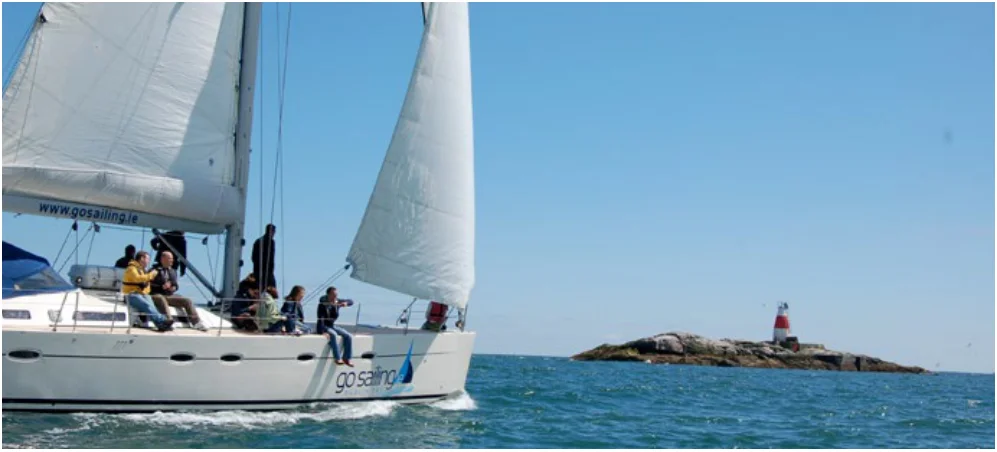
Figure from page 162

Figure from page 163
Environment and Climate
Pages 160–163 · View in original PDF