7.1 Introduction
7.1 Introduction
A clean well protected environment supports human health and wellbeing and provides a natural resource for our agriculture and tourism industries. While the overall quality of our environment is good and progress has been made in reducing air pollutants and protecting the quality of water bodies and our natural and wild places, challenges remain in relation to biodiversity protection, water and urban waste water treatment and some localised air quality issues.
There is a growing awareness of the wide range of important services which natural ecosystems provide; from the food we eat, the water we drink, the raw materials we use for fuel, construction and medicine, a sink for the disposal of wastewater and the creation of space for leisure activities. These ecosystem services boost resilience to climate change by regulating our climate, acting as natural flood defences (e.g. through wetlands and forests), storing carbon in peatlands and providing pollinators for crops.
Climate change is already affecting the terrestrial and marine environment due to rising sea levels, increased sea temperatures, precipitation changes, coastal flooding and erosion and ocean acidification and these changes are likely to continue and intensify over the lifetime of the RSES.
How we manage our environment and heritage is governed by numerous pieces of legislation at national, European and International level. Ireland is a signatory to a number of international agreements including the Convention on Biological Diversity (CBD), the UNESCO Convention for the protection of the World Cultural and Natural Heritage, the Pan-European Biological and Landscape Diversity Strategy and the European Landscape Convention 2000. See Appendix D for underpinning EU Directives and other relevant policy and regulation.
The drivers for this chapter are the key principles of healthy placemaking and climate action. The RSES has identified a number of key Regional Strategic Outcomes which include; the need to conserve and enhance the biodiversity of our protected habitats and species including landscape and heritage protection; to identify, protect and enhance our Green Infrastructure and ecosystem services; to ensure the sustainable management of our natural resources; to build climate resilience, to support the transition to a low carbon economy by 2050 and the protection of the healthy natural environment to ensure clean air and water for all.
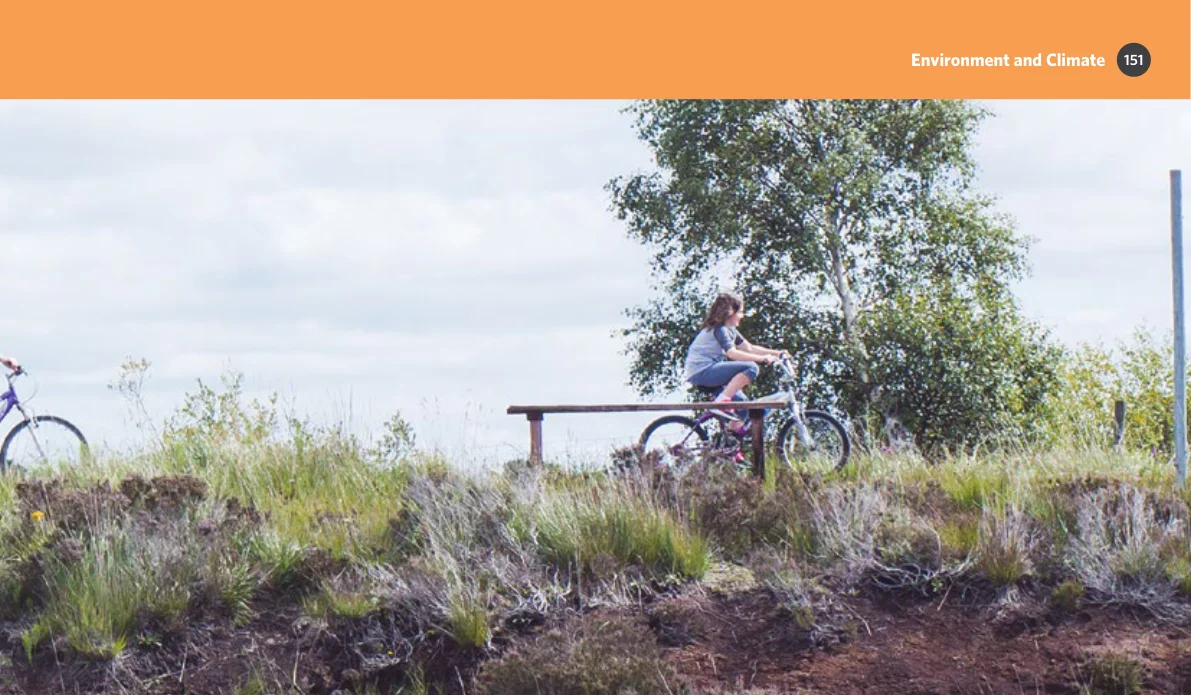
Figure from page 151
Environment and Climate
Strategic Environmental Assessment (SEA)
The European Directive on the Assessment of the Effects of Certain Plans and Programmes on the Environment (the SEA Directive), sets out the requirements for an environmental assessment to be carried out for all plans and programmes prepared by authorities at a national, regional or local level. The SEA process of the Regional Spatial and Economic Strategy (RSES) is informed by a Regional Flood Risk Appraisal (RFRA), which provides an assessment of all types of flood risk to inform the strategic planning and development of the region and to inform the location of development and growth areas.
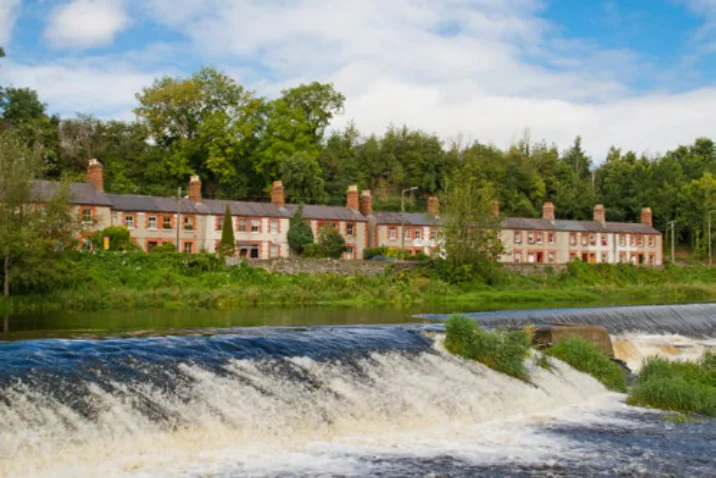
Figure from page 151

Figure from page 152
Regional Spatial & Economic Strategy
Pages 150–152 · View in original PDF