3.3.3 Quality of children’s learning experiences and achievement
3.3.3 Quality of children’s learning experiences and achievement
Children possess an innate capacity for learning. This area focuses on the quality of children’s learning experiences, including the extent to which children demonstrate engagement and enjoyment in their learning and a positive sense of wellbeing. Over the period to which this report refers, almost all settings (96%) inspected were found to be good or better in relation to the quality of children’s learning experiences and achievement (Table 3.3). In 64% of the settings, this area was reported to be very good or excellent. The quality of children’s learning experiences and achievement required significant improvement in 4% of the settings inspected.
Table 3.3: Quality of children’s learning experiences and achievement (Area 3): September 2016 - December 2020
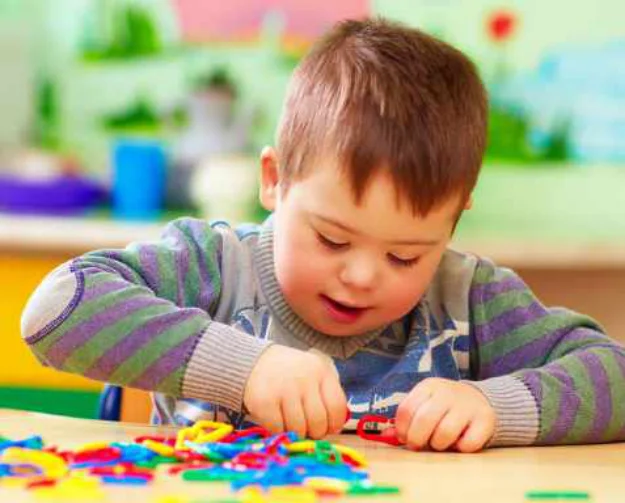
Table 3.3: Quality of children’s learning experiences and achievement (Area 3):
Percentage of ELC settings

Table 3.3: Quality of children’s learning experiences and achievement (Area 3):

Table 3.3: Quality of children’s learning experiences and achievement (Area 3):

Figure from page 95

Figure from page 95

Figure from page 95
Source: Inspectorate, Department of Education
Child-centred approaches led to high levels of engagement, enjoyment and motivation in early learning and care settings
In ELC settings, features of good practice that were observed by inspectors included long uninterrupted free play times both indoors and outside, offering a broad range of activities, choice and agency to suit the individual interests and dispositions of all children.
In high-quality settings, inspectors noted that the children learned about the natural world through their experiences of both indoor and outdoor play. During walks, early years educators consciously drew the children’s attention to the living world. Meanwhile, well-resourced indoor environments included elements of nature and natural play materials.
Wellbeing and the development of children’s social, personal and health education are promoted
Physical activity is important for a child’s mental health and physical development. Early years education inspection (EYEI) findings indicate that, in the main, children in ELC settings had regular access to an area or space to develop their physical skills. These settings offered indoor and outdoor free play where the children could further develop and refine their physical skills, such as physical fitness and motor development. Activities such as yoga, meditation and physical exercise, in both the indoor and outdoor learning environment, engaged the children’s interests and supported their wellbeing. In a small number of settings, a lack of understanding of the importance of regular outdoor play, including risk-rich play, such as climbing or construction activities using real materials to promote children’s holistic development, was evident.
High-quality settings facilitate interactive free play that supports the development of children’s personal and social skills such as self-regulation, co-operation and negotiation. There were some examples of early years educators supporting and scaffolding children’s learning dispositions, including their independence, resourcefulness, persistence, resilience, creativity and curiosity.
Inspectors observed that children were enabled to use books creatively and to engage in the arts
Inspectors observed that children in ELC settings enjoyed many opportunities to use books creatively, engage in stories with their peers, and discuss aspects of the stories on a one-to-one basis with early years educators. A range of books was used to support children’s capacity to think about and reflect on a variety of topics. To further develop this good practice in relation to children’s thinking and language skills, inspectors recommended that early years educators consistently use open-ended questions and prompts, such as ‘I wonder why’… .
Features of good practice in Art included the use of various resources such as construction materials and mark-making resources, and strategies such as sensory play to extend learning and enhance children’s creativity. Actions advised in reports included the extension of the availability and use of mark-making materials, and the importance of early years educators starting with concrete materials to support children’s learning before moving to the introduction of more abstract concepts, for example learning about conservation of number through counting and sorting activities. It was found that many settings had a dedicated and planned period during the day where they sang songs and read stories. Occasionally, this extended to dance and drama.
Inspection findings highlighted strengths and also potential for improvement in the quality of children’s learning experiences
Effective practices that supported high quality in children’s learning experiences and achievement included the provision of well-resourced environments and opportunities for uninterrupted free play. Early years educators following the children’s interests and supporting their critical thinking and problemsolving was also noted as effective practice. Where practice required improvement, some common themes included the over-use of adult direction and insufficient opportunities for children to take the lead and use their initiative in activities.
Potential for improvement was noted in cases where more adult-directed pedagogical practices were observed. These tended to inhibit children’s engagement in the activities. Inspectors also noted that the use of directive language by early years educators limited the development of children’s independence and their capacity for self-regulation. In general, inspectors identified the need for early years educators to develop and deepen their understanding of the importance of children’s reflection on their own learning experiences. Becoming skilled in self-awareness and self-reflection is a key support for
independence, motivation and persistence. These essential learning dispositions and skills support children to become partners in their own learning, who can identify and enjoy their achievements and use their self-knowledge to build confidence and capacity for further challenge.
Pages 95–97 · View in original PDF