3.4 Recommendations to the Minister
50 Appendices

Figure from page 4
ABBREVIATIONS
CnÓg Comhairle na nÓg
DCEDIY Department of Children, Equality, Disability, Integration and Youth
DECC Department of Environment Climate and Communications
IPCC The Intergovernmental Panel on Climate Change
MAPA Most Affected People and Area
NDCA National Dialogue on Climate Action
NPO National Participation Office
PSE Personal and Social Education
YAG Youth Advisory Group
LIST OF FIGURES
Figure 1: Example of Padlet from Activity 1
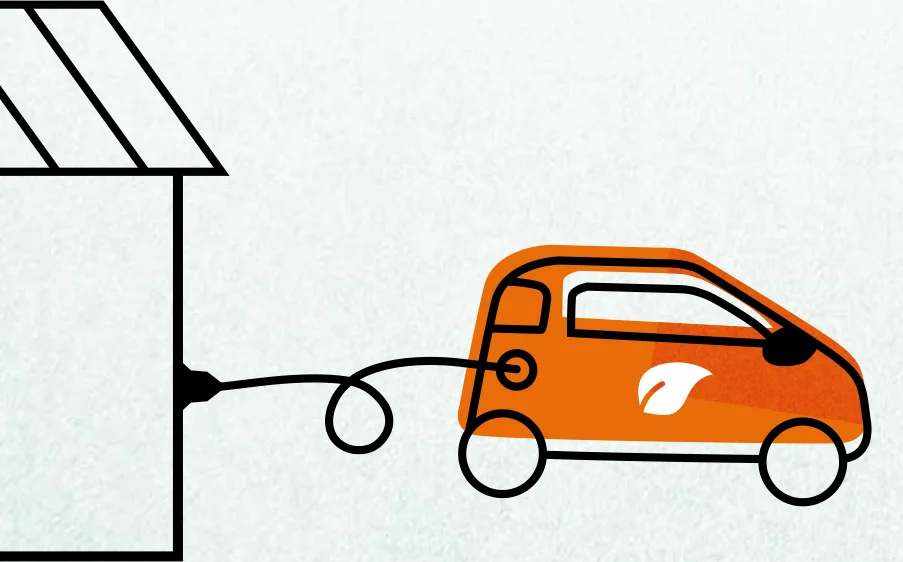
Figure 2: Topics with the most votes from each breakout room

Figure from page 5
SUMMARY
Final Recommendations for Government
Prioritised Recommendations: Transport
What is the problem? What difference will this make? (Outcome)
What needs to happen?
(Situation)
(Action)
Encourage more cycling
More people will cycle which will reduce use of private transport.
There are too many cars on the road.
• Bike to school option.
Students face barriers to cycling.
• Public bike share scheme.
• Make bike lanes safer.
The roads are unsafe.
• Separation of bike and bus lanes.
Bikes are expensive.
Improve public transport
Transport was the 2nd highest sector affecting climate in Ireland in 2020. (www.seai.ie)
Benefits will not just be for the environment as improving public transport/cycling improves young people’s health by allowing them to access rural areas for hikes and gives more opportunity for socialising with friends.
• Make public transport more appealing (reduce overcrowding).
Public transport is:
• Make it affordable, reliable and sustainable.
• Not accessible (not enough routes).
• Use more efficient planning
• Not regular, reliable, or frequent enough.
• Not connected enough, especially in rural areas e.g. suburbs or small towns not connected.
-
Interconnected, regular, affordable, efficient (and sustainable).
-
More buses when young people are travelling (after school etc) to reduce overcrowding.
• Need to travel into a main city to travel out again to another town. This makes it expensive, time consuming and not efficient.
• The easiest option is always not sustainable.
• Poor social etiquette /lack of rules enforcement on buses discourages use.
Prioritised Recommendations: Just Transition
What is the problem? What difference will this make? (Outcome)
What needs to happen?
(Situation)
(Action)
Make sustainable transport more affordable
• More sustainable vehicles.
The climate crisis exacerbates existing inequalities, so we need solutions that both solve these injustices and the climate crisis. The cost-of-living green is high.
• Sustainable transport will be more accessible to those with lower incomes.
• Make e-cars an affordable option for people who live in poverty.
• Incentivise green transport.
• Subsidise electric vehicles.
Just transition means no one should be left behind. Policies need to be inclusive and engaging.
• More people move to e-cars.
• We need better public transport to move away from relying on cars.
• Lower carbon emissions from transport.
• Significantly stronger grants should be considered.
Low-income families can barely afford to run a normal car let alone purchase an electric car. Current electric car grants are still not affordable for too many people.
• More charging points.
Figure from page 6
Prioritised Recommendations: Agriculture
What is the problem? What difference will this make? (Outcome)
What needs to happen?
(Situation)
(Action)
The outcome would be:
Education and support for farmers
We need to focus on sustainable agriculture sector as they have very large agriculture related emissions.
• More informed sector on farming methods in line with SDG 15 Life on Land.
• Support the farmers who might not know much about climate change and how they are affecting the climate.
Farmers often face blame for methane released by their animals.
• Lower methane gas and CO2 emissions on agriculture.
• Education is offered to farming communities about ways in which farming can be undertaken more sustainably.
Farmers are very unsupported around the development of climate issues but agriculture is harshly blamed for mass produce of methane gases.
• Reduced blame around Co2 emissions in agriculture.
Prioritised Recommendations: Circular Economy
What is the problem? What difference will this make? (Outcome)
What needs to happen?
(Situation)
(Action)
Mandatory standard of eco labelling in food and clothes products.
• More sustainable decisions/purchases
Only 2% of fabrics are recycled.
• Less landfill
Lots of greenwashing (companies and people profit off [by]misleading members of the public [in] to purchasing/doing actions that are supposed to be green but are not).
• We propose legislation standard mandatory labelling like an energy efficient label that is on electrical items for example.
• Informed consumer choices
• Regulation in fashion
• Shifts burden of emissions to corporations rather than consumers
• Place symbols on packaging so the consumer knows more. (e.g. Carbon footprint rating)
EU eco-label not mandatory.
No standards.
• Discourages greenwashing
• European eco label that you have to apply for it. Allow consumers to vote with their wallet. It is a practical step we could take. (Model on heating system)
• Incentivises more sustainable manufacturing practices
Prioritised Recommendations: Communication, Engagement
& Climate Literacy
What is the problem? What difference will this make? (Outcome)
What needs to happen?
(Situation)
(Action)
Support vote for 16 year olds
Younger generation need to be engaged as it affects them.
This will engage more people.
To support a bill to reduce the voting age to 16. The UNCRC states that young people have a right to a voice. Young people would advocate for change.
Young people will call for change.
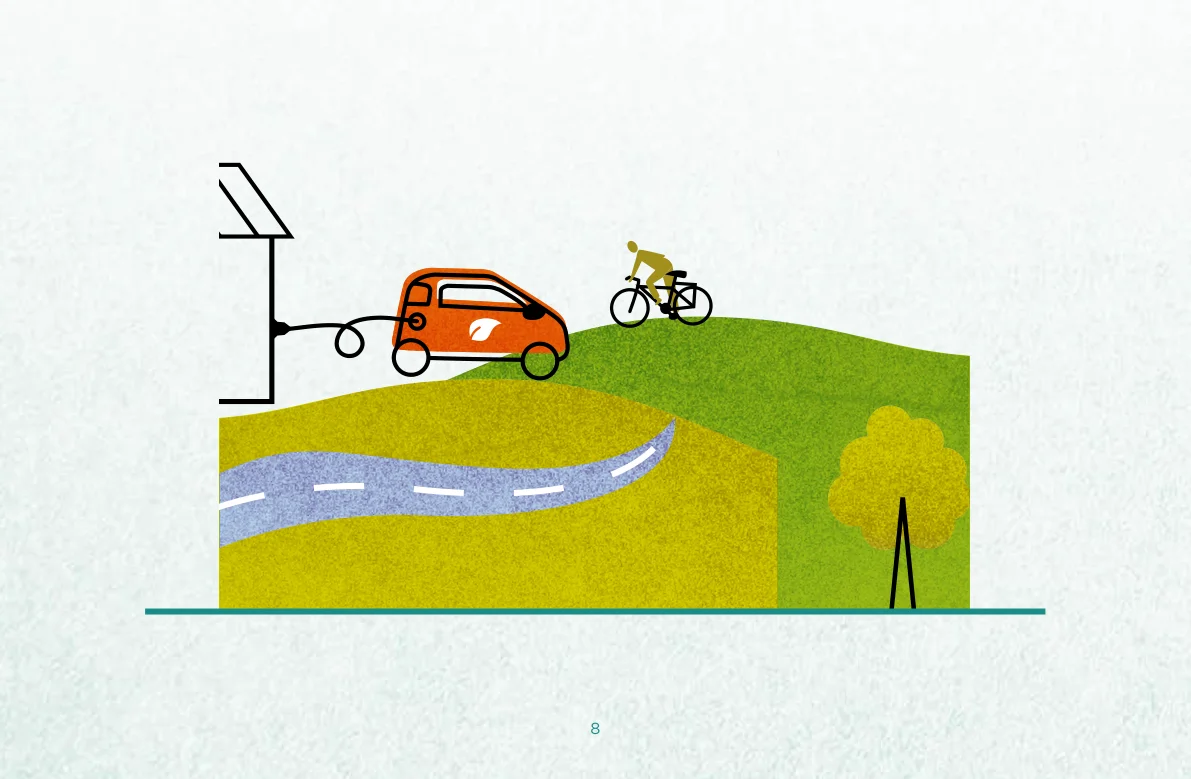
Figure from page 8
Prioritised Recommendations: Communication, Engagement
& Climate Literacy
What is the problem? What difference will this make? (Outcome)
What needs to happen?
(Situation)
(Action)
Community engagement platforms
This will keep people more informed and engaged.
We need to be literate about climate action before we can work together.
• Introduce a platform for bottom-up suggestions by introducing community engagement platforms. For example apps/ websites/text alert system.
This would support greater active citizenship.
Information on Government policy (including consultations) is not available in an accessible format. People need to be engaged and informed on decision-making.
• Accessible to all sites, to promote greater active citizenship.
• Have consultations in workplaces as well as schools
BACKGROUND AND PROCEEDINGS OF THE NATIONAL YOUTH ASSEMBLY ON CLIMATE
In 2020 the Government committed to establishing Youth Assemblies to provide children and young people between the ages of 12 and 24 the opportunity to have their say on issues that are important to them. The messages and recommendations emerging from the National Youth Assemblies will feed into citizen assemblies and other broader citizen consultations, and will inform Government policy including climate, digitalisation, and rural development. Additionally, the National Youth Assembly of Ireland may consider other issues of importance to young people and their future. THE FIRST NATIONAL YOUTH ASSEMBLY ON CLIMATE
The establishment of the National Youth Assembly on Climate aims to meet the following commitments for Government:
• The Programme for Government: Establish a Youth Assembly, with various modules to consider issues of importance to young people and their future, such as climate action, digitalisation, social media and communications, mental health and wellbeing.
• The Interim Climate Actions 2021: Establish a Youth Climate Council as part of the new National Dialogue on Climate Action engagement model and annual Climate Action Plan consultations, to help support future dialogue with young people.
• Youth Participation: Including the voice of children and young people in decisions that affect them, according to Government commitments under Article 12 of the United Nations Convention on the Rights of the Child.
The first National Youth Assembly on Climate took place on the 2nd of March 2022, hosted by the Department for Children, Equality, Disability, Integration and Youth (DCEDIY) and the Department of Environment, Climate and Communications (DECC) in partnership with the National Participation Office. The Assembly consisted of 35 young people, aged 12-24 years, from across Ireland. As the public health restrictions due to the Covid pandemic meant it was not possible to convene an inperson event, the National Participation Office worked with a Youth Advisory Group of 8 young people to co-design the online interactive event.
As well as providing the delegates with information packs in advance of the Assembly, in February 2022 DCEDIY hosted an information session to help prepare for the Assembly. At the preparation session, delegates heard from DECC and guest speakers including two climate scientists, Prof John Sweeney NUI Maynooth and Dr Cara Augustenborg University College Dublin, and two young climate activists, Finlay Thomson member of Foróige’s eCollective and Treasa Cadogan UN Youth Delegate for Ireland. There was also a workshop for delegates to develop their capacity to construct actionable recommendations to be considered by the Government.
The first National Youth Assembly on Climate was opened by the Minister for Children, Equality, Disability, Integration and Youth, Roderic O’Gorman T.D., who welcomed the young delegates to the Assembly and emphasised the Government’s commitment to listening to children’s and young people’s views. The final session of the day was attended by the Minister for Environment Climate and Communications, Mr Eamon Ryan, who engaged with delegates at the end of the day, discussed climate action and listened to their recommendations.
Box 1: National Youth Assembly on Climate 2nd March 2022
Question 1: When you hear the word ‘Climate’ what do you think of?
Question 2: What are the main priority areas in climate action for young people in Ireland?
Question 3: What do you recommend the Government should do to address the priority areas?
Activities Activity 1: Open Space: In this activity delegates shared their top 5 thoughts on the word ‘climate’.
Activity 2: World Café: In breakout groups the young people identified and discussed some of the key issues and concerns. This activity generated 24 themes which were prioritised to four issues for the final activity.
Activity 3: Development of recommendations: In the third activity, the young people identified recommendations and actions that might be taken under each of the four topics. To develop the recommendations the young people focused on three questions.
What is the problem?
What needs to happen?
What difference this will make?
QUESTION 1: WHEN YOU HEAR THE WORD ‘CLIMATE’ WHAT DO YOU THINK OF?
The words the young people used to describe the word ‘climate’ included:
• Biodiversity
• Climate change
• Climate justice
• Pollution
• Renewable energy
• Recycling
• Fossil fuels
• Warming temperatures
• Weather
QUESTION 2: WHAT ARE THE MAIN PRIORITY AREAS IN CLIMATE ACTION FOR YOUNG PEOPLE IN IRELAND?
For this exercise the delegates identified and discussed 20 topics. These included
• Incentivise sustainability
• Biodiversity
• Initiatives
• Climate justice
• Just transition
• Climate action literacy
• Local environment
• Climate education in schools
• Mental health (eco-anxiety)
• Community engagement
• Renewable energy
• Corporate responsibility
• Social issues
• Education
• Sustainable lifestyle changes
• Education and involvement
• Transport
• Engagement
• Youth climate & leadership roles
• Government goals and polices
• Government support/reaching targets
Each group voted on the issues and prioritised four topics for further in-depth discussion. These topics were: Transport, Government Goals and Polices, Just Transition, and Community Engagement.
QUESTION 3: WHAT DO YOU RECOMMEND THE GOVERNMENT SHOULD DO TO ADDRESS THE PRIORITY AREAS? The young people identified a series of recommendations and actions that might be taken under each of the four topics. For each recommendation they identified the problem/or issue they would like addressed, their suggestions for action, and what difference this would make. Each group voted on up to two actions, and volunteers from each group presented their recommendations to Minister Ryan for discussion. The seven recommendations covered five themes:
• Transport
• Just Transition
• Agriculture
• Circular economy
• Communication, Engagement & Climate Literacy
The event was closed by one of the Youth Advisory Group who thanked everyone for attending and contributing to the discussions.

Figure from page 13
SECTION 1: INTRODUCTION
BACKGROUND In the Programme for Government and the Climate Act 2021, Ireland has committed to halving our greenhouse gas emissions by 2030 and reaching net zero by 2050 at the latest. The Climate Action Plan 20211 provides a detailed plan for taking decisive action to achieve a 51% reduction in overall greenhouse gas emissions by 2030 and setting us on a path to reach net-zero emissions by no later than 2050. This plan will put Ireland on a more sustainable path; cut emissions; create a cleaner, greener economy and society; and provide protection from the devastating consequences of climate change. The Plan lists the actions needed to deliver on our climate targets and sets indicative ranges of emissions reductions for each sector of the economy. It will be updated annually, including in 2022. Themes include:
• Electricity
• The Circular Economy
• Enterprise
• Just Transition to Climate Neutral Ireland
• Homes and Buildings
• Citizen Engagement & Community Leadership
• Transport
• Land Use, Forestry & the Marine
• Carbon Pricing and Cross Cutting Policies
NATIONAL DIALOGUE ON CLIMATE ACTION (NDCA) Central to the realisation of the ambitions of Climate Action Plan 2021 is the engagement and empowerment of wider society. The National Dialogue on Climate Action (NDCA), led by the DECC, is the key mechanism through which climate actions related to public engagement, participation, community action, networking and capacity building activities are delivered in Ireland.
In 2021, a series of in-depth climate conversations took place which captured the views of over 3,800 people, including inputs from 100 young people from Comhairle na nÓg (CnÓg). These conversations identified areas where people are already making changes and where they feel they lack resources to pursue these changes.
The National Youth Assembly on Climate is the first major milestone in the year long programme of activities involving young people which include:
• Climate Conversations which involve two-way dialogues across the country and a national public consultation on the Climate Action Plan.
• A National Climate Stakeholder Forum to facilitate discussion between politicians, policy makers and stakeholder on accelerating the delivery on climate action.
• Promoting climate literacy through strategic communications and building climate action into the national curriculum at primary, secondary and at third level. Educational and engagement programmes involving younger people delivered through An Taisce including Green Schools, Climate Ambassadors, and Young Reporters for the Environment.
1 https://www.gov.ie/en/publication/6223e-climate-action-plan-2021/
THE NATIONAL YOUTH ASSEMBLIES
In the Programme for Government 2020, Ireland committed to establishing National Youth Assemblies to act as a consultative forum for children and young people on issues that are important to them. The role of National Youth Assembly is to provide a systematic means of capturing the voices of young people in Ireland which will feed directly into the development of Government policy.
Delegates of the Assembly include children and young people between the ages of 12 and 24. The National Youth Assembly of Ireland is made up of 30 sitting delegates who take part for a term of 18 months. Delegates are nominated by CnÓg, established youth organisations and youth participation initiatives. Guest delegates are also nominated for Assemblies on specific policy areas and these are nominated by organisations that have a particular interest in the issue being addressed by the Assembly and from organisations relevant to seldom heard children and young people. The National Youth Assembly of Ireland convenes at least twice a year, once as the National Youth Assembly on Climate and once as the National Rural Youth Assembly. This also involves preparation workshops, Youth Advisory Groups and other lead-in events. The Youth Assembly may convene at other times on related issues or on other issues as required. No more than four Youth Assemblies may be convened in any year.
THE FIRST NATIONAL YOUTH ASSEMBLY ON CLIMATE
The establishment of the National Youth Assembly on Climate aims to meet the following commitments for Government:
• The Programme for Government: Establish a Youth Assembly, with various modules, including ones for rural and urban young people. • The interim Climate Actions 2021: Establish a Youth Climate Council as part of the new National Dialogue on Climate Action engagement model and annual Climate Action Plan consultations, to help support future dialogue with young people.
• Youth Participation: Including the voice of children and young people in decisions that affect them, according to Government commitments under Article 12 of the United Nations Convention on the Rights of the Child.
The Youth Assembly on Climate provided the delegates with the opportunity to discuss the issues before developing recommendations for inclusion in the Government’s Climate Action Plan at the preparation session. The Assembly took place online on the 2nd March 2022 and was hosted by the Department for Children, Equality, Disability, Integration and Youth (DCEDIY) and the Department of Environment, Climate and Communications (DECC) in partnership with the National Participation Office2 (see Appendix 1 for project team).
Figure from page 14
2 DCEDIY’s National Participation Office works across local and national Government to build, develop and sustain structures to enable the meaningful participation of children and young people in decision making at local and national level.

Figure from page 15
SECTION 2: STRUCTURE AND FORMAT OF THE ASSEMBLY
2.1 THE STRUCTURE AND FORMAT OF THE FIRST YOUTH ASSEMBLY ON CLIMATE
To design and implement the online Assembly, the DECC and DCEDIY worked in partnership with the National Participation Office (NPO) (see Appendix 1 for membership of the Project Group). Guided by the recently published Participation Framework3, the National Participation Officers took measures to ensure that delegates were prepared for the Assembly, were supported to express their opinions, and knew how their views would be used.
A Youth Advisory Group (YAG) was established consisting of eight young people who helped codesign the format for the day and who piloted the interactive activities. Three members of the YAG went on to host the preparation session and co-facilitated the Assembly event.
2.2 PREPARATION SESSION FOR THE YOUTH ASSEMBLY ON CLIMATE
To prepare for the Youth Assembly on Climate the delegates were invited to an online preparation session. This online session provided the delegates with an opportunity to get to know each other, to hear from invited speakers and climate experts, and to prepare for making recommendations to Government. This preparation session provided the opportunity to provide delegates with Space and Voice, an important part of the Lundy’s model of participation.4 The preparatory event also provided the delegates with the opportunity to seek clarity by putting forward written questions for DECC in advance of the Assembly (see Appendix 2a-2c for further detail).
This session commenced with a presentation from a DECC Official, Dr. Robert Mooney, who leads on Citizen Engagement, Local Authorities and Community Leadership within the Aarhus, Climate Adaptation and Citizen Engagement unit with responsibility for the Climate Action Plan. Dr. Mooney provided the delegates with an overview of the evidence on climate change and outlined some of the Government’s actions in securing different voices to inform the next Climate Action Plan 2022 (see Appendix 3a for further detail).
Four invited speakers (two climate scientists and two young climate activists) made short presentations to the group (see Appendix 3b). Professor John Sweeney (Emeritus Professor of Geography Maynooth University) and Dr Cara Augustenborg (Assistant Professor in Landscape Studies and Environmental Policy in UCD) provided the delegates with some facts about climate change and its impact globally and more locally, raised some questions for the Government, and outlined a range of actions that might be taken to address climate change.
Finlay Thomson (transition year student and climate activist living in Donegal) and Treasa Cadogan (the UN Youth Delegate for Ireland and Climate Ambassador) gave inspirational presentations where they emphasised the importance of hearing from young people and encouraged delegates to use their voice to make change. Finlay talked about his recent experience in the Foróige eCollective and how interviewing guests, such as Mary Robinson, Dustin Minzter and Jedward on their podcast (Future- Proof Living) has helped to raise awareness. He highlighted the need for diverse voices in youth participation and cautioned that change takes time but starts at the individual level. Treasa talked about her experience as the UN Youth Delegate for Ireland. She provided examples of different types of decision makers to influence and talked about the importance of young people having opportunities to build up skills (e.g. CnÓg, National Youth Council of Ireland (NYCI), Foróige) to bring your ideas to decision makers for change for future generations. She highlighted the importance of making change for future generations and noted that Wales has appointed a Next Generation Commissioner.
3 https://hubnanog.ie/participation-framework/
In the second part of the preparation session, the facilitators worked with breakout groups to build the delegates’ skills in drawing up recommendations. This task required each group to take a problem, to describe the Situation (i.e. why the issue is important), to suggest Actions to address the problem, and to outline the possible Outcomes (i.e. what different the actions might make) (Outcomes). This served to develop their capacity to suggest recommendations as part of the Assembly (see Appendix 3b).
At the end of the preparation session, the delegates were encouraged to send any questions they might have in advance of the Assembly. The delegates submitted 32 questions covering 19 themes (see Appendix 3c). The DECC provided detailed responses to the questions in advance of the Assembly. 2.3 THE FORMAT OF THE YOUTH ASSEMBLY ON CLIMATE 2.3.1 Welcomes and Introductions
The inaugural National Youth Assembly on Climate convened virtually using the Zoom platform (see Appendix 4 for programme). The session was opened by Minister for Children, Equality, Disability, Integration and Youth, Roderic O’Gorman T.D. who welcomed the young delegates to the Assembly and emphasised the Government’s commitment to listening to children’s and young people’s views.
“ I am very happy to support Minister Ryan in seeing through this commitment in the National Dialogue on Climate Action to include the voice of young people in policy-making. Young people have led the way on calling for stronger, more urgent climate action. It is imperative that we listen to their voices and heed their calls.
”
Minister O’Gorman highlighted the role that young people have played in calling for action on climate and described the Assembly as a place where the Government will continue to listen to young people. By participating in the discussions, the views of young people will inform the climate action plan and will help to safeguard the future. After the welcomes, one of the YAG members provided a short overview of the questions asked of the Minister and his Department after the preparation session (see Appendix 3c).
2.3.2 Activities The Assembly was split into four activities (see Box 1 below) design to discuss and prioritise issues and to agree recommendations for action.
Box 1: Youth Climate Assembly 2th March 2022
ACTIVITY 1: OPEN SPACE When you hear the word Climate what do you think of?
ACTIVITY 2: IDENTIFICATION OF PRIORITY AREAS IN CLIMATE ACTION What are the main priority areas in climate action for young people in Ireland?
ACTIVITY 3: WORLD CAFÉ TO GAIN A DEEPER UNDERSTANDING OF THE KEY ISSUES IDENTIFIED BY THE YOUNG PEOPLE.
ACTIVITY 4: CREATION OF RECOMMENDATIONS Delegates focused on Situation, Action, and Outcome. (see Appendix 2b)
Before the formal activities commenced the facilitators in each of the breakout rooms introduced the adults in the room, asked for the delegates to introduce themselves and led on icebreaker activities to place the delegates at ease. This activity gave the young people the opportunity to get to know each other and to ‘warm up’ for the online interactions.
2.3 WHO PARTICIPATED? The 35 young delegates who took part came from 18 counties and represented 28 organisations (See Appendix 2 for list of counties and organisations). The Assembly consisted of 27 of the permanent delegates and 8 invited delegates. The delegates were aged between 12 and 24 years, 12 were aged between 12-15 years, 14 were aged between 16 and 17 years, and 9 were aged over 18. 2.4 DATA RECORDING To ensure the views of young people were accurately recorded and presented, an independent report writer was commissioned to record the deliberations and to prepare a report outlining the young people’s views and recommendations. The discussions in each of the breakout rooms were recorded on the Mentimeter4 (Activity 1), Padlet5 (Activities 2 and 4), and by the independent note taker.
4 Mentimeter – Online polling tool
5 Padlet – Online noticeboard

Figure from page 18
SECTION 3: MESSAGES FROM THE ASSEMBLY
3.1 OPEN SPACE ACTIVITY
Box 2: Activity 1: Open Space
After the welcomes and introductions, the young people were split into smaller breakout rooms to explore the first question. QUESTION 1: WHEN YOU HEAR THE WORD ‘CLIMATE’ WHAT DO YOU THINK OF?
The delegates were asked to add their views to Mentimeter which collated their views in a wordcloud which was shared with the group for further discussion.
This exercise was to allow delegates have some ‘blue sky’ thinking to generate their initial thoughts on climate. Delegates were asked to list up to five words which they uploaded on Mentimeter (an online survey software) which was shared with the group as a wordcloud. This was followed by a brief discussion about some of the words selected in relation to what areas of young people’s lives are affected by climate. (See Box 3 below for the outputs from each room and a summary of the discussions).
Some of the words that emerged across the four rooms were:
• Biodiversity
• Climate change
• Climate justice
• Pollution
• Renewable energy
• Recycling
• Fossil fuels
• Warming temperatures
• Weather
Box 3: Output from Activity 1
| When you hear the word climate what do you think of?” | What areas of young people’s lives do you think these things affect? (Direct quotes in italics) |
| Room 1 | |
| BIODIVERSITY We used to cohabit with different animals species, but we now isolate ourselves and we don’t see the damage. Currently some animals and plants are becoming extinct. POLLUTION When I think about climate I think about pollution. I see how people don’t care and pollute the environment e.g. dropping rubbish. The smell of fuels burning in homes. Cars also have a lot of pollution. CAPITALISM Mass consumerism and how this helps to destroy the environment |
Room 2
CLIMATE CHANGE Changes in weather – recent storms in Ireland.
The impact of climate change is happening now Most people are still talking about climate change as if it is something in the future, further down the line.
BIODIVERSITY The impact on all our lives.
It affects every part of everyone’s lives - your home, your mental health, your environment, travel, how you get food – everything will be impacted - which is scary.
Room 3
JUST TRANSITION Just Transition – the people who caused the crisis have more privilege (oil companies etc). People who are affected by things like race and gender inequality are more affected by the climate crisis.
Southern hemisphere affected badly but also on a local level in Ireland. People living in more vulnerable areas etc. Equity means different people have different needs. One thing doesn’t apply to everyone.
Young people growing up are already suffering more than the previous generation. We will suffer more in the future. We have higher taxes, poor air quality, worse health. We will lose access to fishing and rural activities. Our water is polluted. We can’t take up hobbies that involve open water because of this.
EQUITY Young people in rural Ireland are affected disproportionately. We live in old houses that are heated with coal and turf. We can’t use public transport. We need a just transition. There are people who don’t have the amenities or money to be more sustainable and they shouldn’t be penalised for it.
GREENWASHING Greenwashing is a really good one. Companies lie or make it seem like they are doing their bit. There should be laws to stop this.
Room 4
CLIMATE JUSTICE Link between climate and racial justice. People impacted by climate change contribute least to it. Sense of urgency
NEED FOR EDUCATION When you educate yourself (on climate change) then you know you have to do something. We need to educate, businesses, charities and workplaces. In school the minimum I was taught was greenhouse gases . We could have an alternative stream to educate workplaces and communities
FLOODING More common in the global north countries
COP26 Measures didn’t match the 1.5 degree goal Big countries won again and the most vulnerable didn’t
RENEWABLE ENERGIES Build gas power plants Get out of harmful infra structure Look at impact of data centres and demand on electricity
MEET TARGETS ON TREE PLANTING
MEET TARGETS OF PARIS AGREEMENT

Figure from page 23
Pages 3–23 · View in original PDF