5.2.3 Use of digital technology
5.2.3 Use of digital technology
Prior to the COVID-19 pandemic, evidence from international surveys and from inspection showed that Irish post-primary students were less likely than those in other countries to use digital technology in the classroom
Findings from PISA 201881 show that post-primary students in Ireland were less likely than students in other OECD countries to use digital devices in the classroom. Furthermore, Irish students who participated in the PISA study reported that, when digital devices featured in lessons, they were used primarily by the teacher. PISA reported that principals attributed this to the lack of sufficient access to technical support or assistance, devices and broadband as well as deficits in the skill level of teachers.
The pattern emerging from inspection findings prior to the COVID-19 pandemic reflected the PISA outcomes. Inspection findings also indicated that the use of digital technology was not a regular feature of lessons. In unannounced inspections, inspectors reported that the use of information and communications technology (ICT) was good or very good in 72% of lessons where the use of ICT was observed (Table 5.9). Just over half of the students (54%) who responded to inspection surveys indicated that they had opportunities to use ICT regularly in their lessons (Table 5.10). A significant minority (34%) disagreed that they used ICT regularly in their lessons.
Table 5.9: Effectiveness of ICT-use in lessons (unannounced inspections) in post-primary schools: September 2016 - December 2020
Table 5.10: Frequency of use of ICT by students during classes in post-primary schools: September 2016 - December 2020
ICT is used effectively in the lesson observed (unannounced inspections)
We use ICT regularly in classes (student surveys in WSE-MLL inspections)
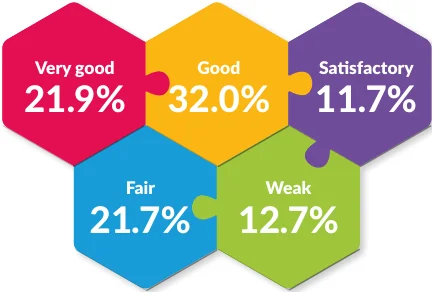
Table 5.10: Frequency of use of ICT by students
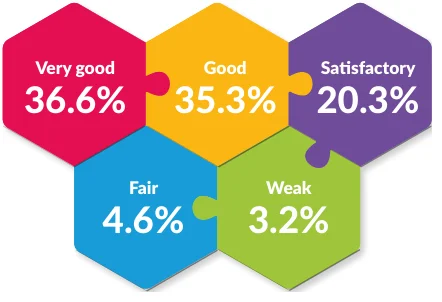
Table 5.9: Effectiveness of ICT-use in lessons
Very good 21.9%
Good 32.0%
Satisfactory 11.7%
Very good 36.6%
Good 35.3%
Satisfactory 20.3%
Fair 21.7%
Weak 12.7%
Fair 4.6%
Weak 3.2%
81 Programme for International Student Assessment (PISA) is an OECD project. PISA, which takes place every three years, measures 15-year-olds’ ability to use their reading, mathematics and science knowledge and skills to meet real-life challenges.
Source: Inspectorate, Department of Education Source: Inspectorate, Department of Education
During the COVID-19 pandemic, schools became more adept in their use of information and communications technology to facilitate teaching and learning
The need to move to online learning rapidly, when schools were forced to close due to the pandemic in the first half of 2020, led to a significant change in schools’ use of information and communications technology (ICT) in teaching and learning. In general, post-primary schools made considerable efforts to make online learning available to students in the March to June 2020 period. Teachers were supported in many cases by online resources and continuing professional development (CPD) provided by the Professional Development Support Service for Teachers (PDST). As detailed elsewhere in this report, efforts were made to make ICT devices available to students and teachers provided a range of lessons online.
The success of these efforts varied considerably across schools and among students; as was the case in many countries, some students in Ireland struggled in their learning in the online environment. However, Irish schools and teachers learned from the experience. It was noticeable that the findings of Inspectorate research with principals during October-November 2020 indicated that, during the COVID-19 pandemic, post-primary schools became much more adept in relation to the use of digital technologies in teaching and learning, with many principals reporting that digital technologies had become embedded in curriculum and assessment practices. Almost all post-primary teachers who participated in an Inspectorate survey in October 2020 agreed that, at that time, they used digital technologies either in every lesson or every day. Students who engaged in focus group discussions with inspectors in November 2020 were very positive about the increased use of digital technologies by their teachers to support their learning. They welcomed and praised their schools for the flexibility and pace with which their schools and teachers had adopted digital learning approaches. Nonetheless, some students stated that they would like increased use and further development of digital learning opportunities in their classes.
Pages 140–141 · View in original PDF