2.5.2 Follow-through inspection
2.5.2 Follow-through inspection
Follow-through inspections evaluate the progress a school or setting has made on implementing recommendations and actions in a published inspection report
The purpose of a follow-through inspection is to evaluate the progress an early learning and care setting, school or other education setting, has made on implementing the main recommendations, or actions advised, in an earlier inspection where a written report has been published or issued. This evaluation of progress is facilitated through a consultative, professional engagement between the inspector and relevant school/setting management and staff. Inspectors also advise the school/ setting on strategies and actions to enable them to fully address recommendations. A follow-through inspection may be conducted following on from any inspection type that results in a written or published report.
Overall, a significant majority of early learning and care settings made progress on actions advised in early years education inspections reports; some actions advised by inspectors continued to present as challenging for settings
During the period 2017-2020, inspectors conducted 195 follow-through inspections in early learning and care settings. A total of 81% of settings had made progress (either partial progress, good progress or very good progress) on all actions advised in EYEI reports. Although this is encouraging, there were some actions advised that persistently resulted in either a rating of partial progress or no progress. These related to the following:
■establishment of review processes to support self-evaluation and planning
■establishment of relationships with primary schools to facilitate positive transitions for children
■engagement with parents as active partners in their children’s learning
■differentiation of the curriculum or programme of activities for individual children’s strengths,
needs and interests
■enrichment of outdoor play and learning environments.
Good or very good progress was made in relation to the implementation of a majority of recommendations in inspection reports for primary, post-primary schools and centres for education
Between September 2016 and December 2020, inspectors conducted 899 follow-through inspections in primary and post-primary schools, reviewing the progress they had made in implementing the recommendations from previous inspections. Of these follow-through inspections, 558 were in primary schools and 341 were in post-primary schools.
Table 2.10 below presents the progress that primary and post-primary schools had made on the implementation of recommendations. Progress was evaluated on recommendations in a range of areas, including assessment, compliance, leadership, management, planning for SSE, support for learners, and teaching and learning.
Table 2.10: Progress made in the implementation of inspection recommendations in primary and post-primary schools, September 2016 - December 2020
7
%
s.
res
rog
op
N
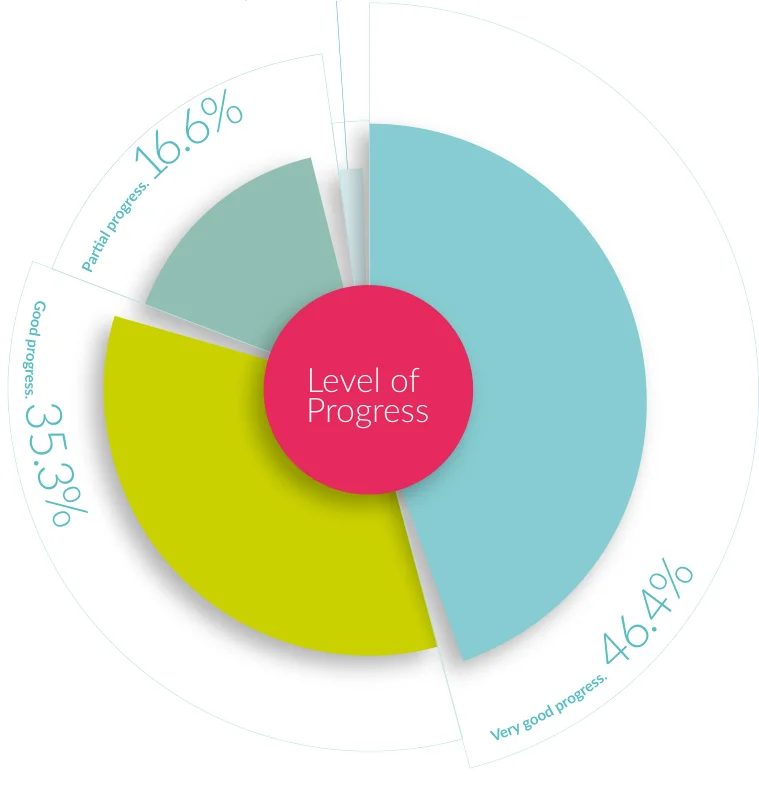
Table 2.10: Progress made in the implementation of inspection recommendations in primary and
%
6
.
6
1
ss.
re
og
pr
al
rti
Pa
Go
od
pro
Level of Progress
Level of Progress
Level of Progress
gre
ss.
3
5
.
3
%
%
4
.
6
4
s.
res
rog
dp
oo
yg
Ver
In follow-through inspections, where partial or no progress is made in addressing the original recommendations, inspectors give consideration to further inspection or to further follow-through activity. Further follow-through activity was recommended by inspectors in just under a quarter of the follow-through inspections undertaken in primary and post-primary schools from September 2016 to December 2020.
Pages 72–74 · View in original PDF