10.7 Looking forward
10.7 Looking forward
System
■The education system and schools should continue to leverage the agility and responsiveness
demonstrated during the COVID-19 pandemic as they continue to initiate and implement educational reform.
■Enhancing the supply of substitute teachers should continue to be a priority for the Department.
■Schools and the Department should endeavour to ensure that the challenges to wellbeing
and anxiety, experienced by pupils and students as a result of school closures, are acknowledged and addressed.
■The increased capacity of schools and teachers to use digital technologies to support learning that
has come about because of the COVID-19 pandemic, presents important opportunities. Schools should continue to build upon the improvements that have taken place in this short period of time.
Support for pupils and students
■Finding new and enhanced strategies for providing pupils and students with feedback on their
progress, whether in face-to face or remote learning contexts, should be prioritised by schools.
■Schools should continue to identify where the most significant gaps in learning have occurred
as a result of the period of school closures, and should engage in action planning to address these gaps in a systematic manner; in doing so, it is vital that the needs of the most vulnerable pupils and students are prioritised.
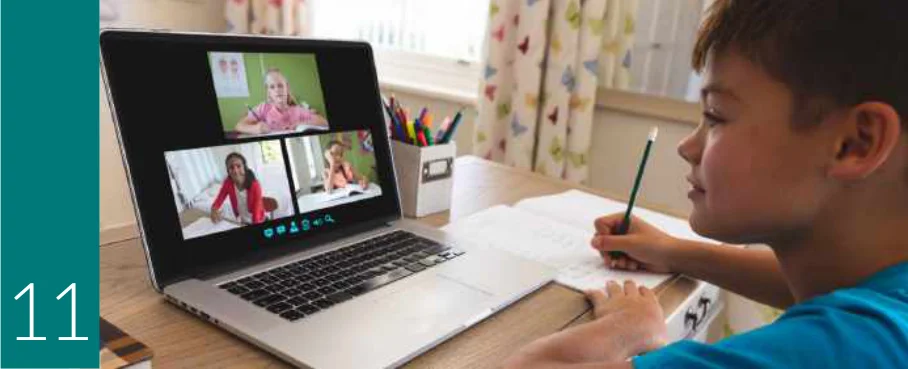
Figure from page 308
This Chief Inspector’s Report is intended to fulfil two functions: looking back and scanning forward. The previous chapters have set out an analysis of the early learning and care system, and the school system in which inspectors have worked in the period from 2016-2020. We have noted many strengths in provision, and a number of areas where improvements could be made to the important services that the education system makes available to children and young people. This chapter attempts to step back further and reflect on what the experience of evaluating and supporting the education system may be telling us about the medium and long-term development of educational provision in State-funded schools and settings catering for children and young people over the next five to ten years.
Pages 306–308 · View in original PDF