10.5.6 Tool Kit
10.6 Electrical systems in recreational craft
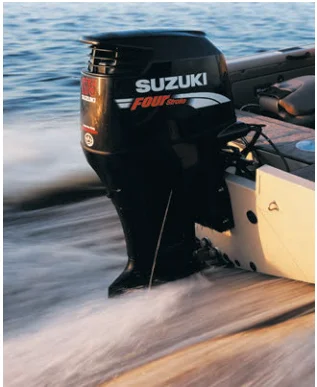
Figure from page 163
Electrical systems on recreational craft can vary from simple 12volt starting batteries to complex high voltage installations incorporating generators, advanced navigation, communication and domestic service systems.
All electrical installations are subject to prolonged exposure to a hostile marine environment, including vibration, moisture and mechanical damage. Furthermore, they can be compromised as they degrade due to aging. Retrofitting of electrical equipment by non-competent individuals also poses serious risk to vessels.
10.5.6 Tool Kit
Craft should carry a suitable and relevant tool kit comprising of the following suggested items:
Failure of electrical components can result in a number of scenarios ranging from loss of essential propulsion machinery, fire, damage to hull fittings due to stray electrical currents and, on occasion, injury or loss of life due to electrocution. It is therefore essential that electrical systems on recreational vessels are routinely inspected and maintained by a competent person.
▪Screwdriver set.
▪Spanner set applicable to each
craft.
▪Adjustable spanner.
▪Torch.
▪Spark plug spanner (in the case of
petrol engines).
▪Junior hacksaw and spare blades.
▪Pliers and vise grips.
▪Can of WD40 release oil, if
The following recommendations for owners of pleasure craft should be noted:
relevant.
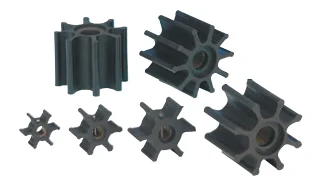
Figure from page 163
- Carry out regular visual checks of cabling and ensure that all cable runs and connections are secure and free of any mechanical or water damage.
systems and equipment as per the regulations and guidelines in place.
-
Using a competent marine electrician, conduct regular ‘earth checks’ and ‘megger tests’ on cables and, where appropriate, equipment. Earth faults should be cleared promptly, especially on systems having a voltage to earth of greater than 55 V.
-
The routine testing of electrical systems as part of the vessel’s maintenance schedule is very important and should include the following:
▪Earthing/bonding arrangements
- Pay particular attention to the way that additional equipment is connected, irrespective of whether it is permanently or temporarily installed. The power supply should be taken from a point in the circuit which is protected by a fuse or circuit breaker and never connected directly to the battery or alternator or associated wiring. All such work should be undertaken by a competent electrical contractor.
▪Insulation resistance of cables,
mechanical damage to cables and securing of cables
▪Switchboards, panel boards and
distribution boards for damaged, overheated components and loose connections
▪Lighting and power circuits
▪Generators and motors
▪Transformers
▪Switchgear and controlgear
- Regularly check battery installations and terminal connections. If using lead Acid type batteries stored inside a vessel, ensure there is a suitable means of venting the storage space to atmosphere. Provide some ventilation for the space where “sealed” or “maintenance free” type batteries are located. Be aware of the dangers of fire or electrocution due to shorting of battery terminals when working with batteries.
▪Voltage drop
▪Lighting, heating and galley
equipment
▪Battery storage, securing and
ventilation arrangements.
-
Sufficient spares should be carried onboard to enable repair of a vessel’s essential systems in the event of failure.
-
Any failure of critical systems should be investigated immediately to determine the cause, and any repairs should be carried out by a qualified individual.
-
Ensure any additions or modifications to the electrical installations are carried out by qualified personnel who are competent and aware of the requirements for marine electrical
Pages 163–164 · View in original PDF