11.6.4 Survival in the water
▪Wait until the liferaft is fully
▪Remain in the vicinity of the last
inflated before attempting to board. Do not jump onto the canopy. Avoid the raft chafing against the craft that is being abandoned.
position given prior to abandoning ship.
11.6.4 Survival in the water
In the event of a liferaft not being available, the following applies:
▪If at all possible, board the raft
without entering the water in order to reduce the effects of the cold.
▪Ensure additional layers of
clothing are worn prior to entering the water.
▪If it is not possible to board the
▪Wear a hat and if possible cover
liferaft without entering the water, choose a suitable place to leave the boat while taking account of the sea state and drift of the boat. Remember, liferafts can drift much faster than most people can swim.
the extremities of the body, e.g. fingers, toes and face.
▪Do not jump into the sea. Use an
overside ladder if available. Avoid obstructions in the water adjacent to the hull. It may be preferable to abandon from either the bow or stern rather than amidships.
▪Wear additional layers of clothing,
including head gear, as this prevents heat loss from the body. A suitable PFD/lifejacket should be worn at all times.
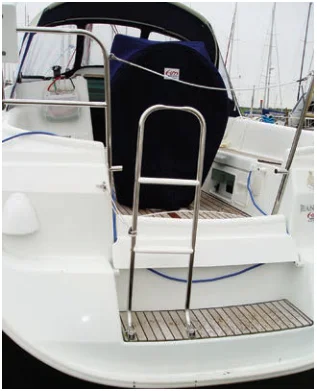
Figure from page 182
▪Do not remain in the water longer
than is necessary.
Once all crew are in the liferaft:
▪The craft should be cut free.
▪Manoeuvre clear of the craft or
any obstructions.
▪Deploy the sea anchor.
▪Close all entrances to conserve
heat.
▪Issue sea sickness tablets.
▪Post a lookout.
▪Maintain the liferaft - inflate the
floor, bale out any water, check for leaks, ventilate by maintaining a small opening.
▪Avoid unnecessary swimming
in order to conserve energy and body heat.
Page 182 · View in original PDF