11.6.1 1 Cold Water Shock
11.6 Survival at sea
11.6.1 Cold Water Shock and Hypothermia
Death by hypothermia or drowning presents the greatest risk to individuals who are forced to abandon their craft or who fall into the water. The ambient sea/water temperature can cause people to very quickly become cold and affect their ability to help themselves once in the water.
When cold water (temperature under 15 degrees) makes contact with your skin, the cold shock response causes an immediate loss of breathing control, possible dizziness and panic. This dramatically increases the risk of sudden drowning even if the water is calm and you know how to swim. For those who survive this, but are unable to get out of the water, progressive body cooling leads to hypothermia and muscle cooling, making swimming more difficult or impossible. Children cool even faster than adults.
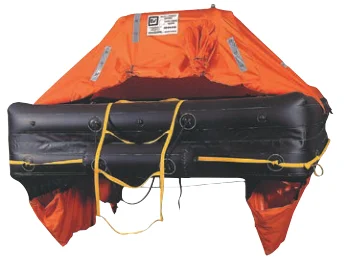
Figure from page 177
If you fall into cold water, avoid swimming, stay calm, try to relax and breathe normally. Swimming may give a feeling of warmth but it accelerates muscle cooling. Float or tread water while you catch your breath. To lessen heat escape, keep your legs together and elbows by your side. Follow the “Float to live” safety advice – see page 9. If you are not wearing a Personal Flotation Device or lifejacket, lay your head back with ears submerged. A properly fitted lifejacket will keep your head above water, ensuring you gasp air. Once the cold shock has passed, try to get hold of something that will help you float and get as much of your body out of the water as possible. Once you are calm, call for help.
After boarding a liferaft it is still possible to succumb to hypothermia. Individuals should take the necessary survival precautions.
Survival at sea even for relatively short periods of time is dependent on suitable equipment, adequate preparation and knowledge of survival techniques.
A number of recognised course providers offer a one day Basic Sea Survival Course (see Appendix 9 for details of course providers) covering both the theoretical and practical aspects of sea survival techniques.
Page 177 · View in original PDF