8.2 Measures to Deliver a Just Transition in the Midlands
8.2 Measures to Deliver a Just Transition in the Midlands
8.2.1 A Bottom-up Approach through the Midlands Regional Transition Team
In line with the ethos of just transition, the Midlands Regional Transition Team (MRTT) was established under the auspices of the Midlands Regional Enterprise Plan (MREP) to mitigate job losses and to develop alternative employment opportunities. The MRTT, covering the wider Midlands Region, continues to play an important, locally-led role in coordinating key regional stakeholders to support the development of projects with transformative potential in the region. The MRTT also provides representation for the region on the EU Just Transition Platform.
8.2.2 Tailored Funding Interventions
8.2.2.1 National Just Transition Fund
The National Just Transition Fund (NJTF) is continuing to support a diverse range of innovative projects that contribute to the economic, social, and environmental sustainability of the region. A selection of successful NJTF projects in the Midlands are described below to highlight the range and innovation shown by Midlands communities in delivering new enterprises, tourism and heritage projects, development of greenways, and opportunities for education, training, and reskilling.
46 In this chapter, the wider Midlands region refers to the counties of Galway, Kildare, Laois, Longford, Offaly, Roscommon, Tipperary, and Westmeath
Figure 8.1 – Incubation units and extension funded by the NJTF at Ferbane Business and Technology Park47
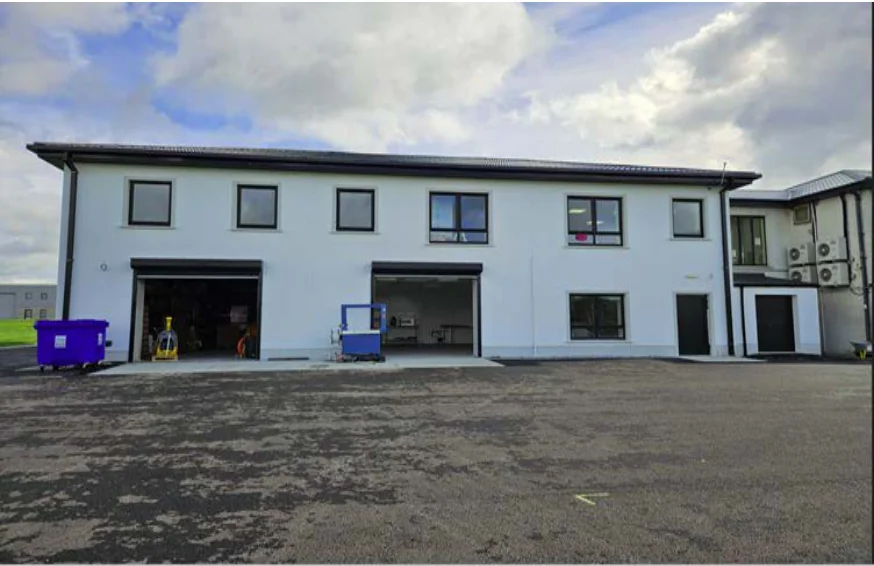
Figure 8.1 – Incubation units and extension funded by the NJTF at Ferbane
Ferbane Business and Technology Park is a community-owned, not-for-profit company, campus, and innovation centre. By extending an existing building more food production units were created and are used by local start-up food producing companies. The centre aims to support the transition to a resilient, sustainable, thriving net-zero local economy and community. Funding has facilitated expansion, including the provision of two kitchens in the incubation unit, remote working office space, and the installation of 60kW of solar panels.
Figure 8.2 – EcoTourism Service: Disability Friendly Passenger Boat and Centre48
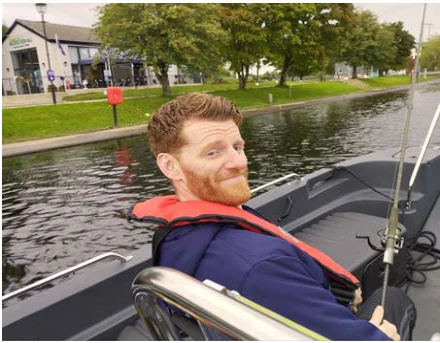
Figure 8.2 – EcoTourism Service: Disability Friendly Passenger Boat and
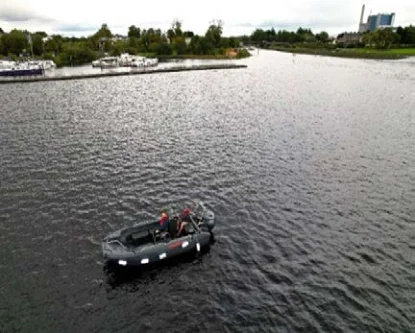
Figure 8.2 – EcoTourism Service: Disability Friendly Passenger Boat and
47 Photo courtesy of Kevin Gavin 48 Photos courtesy of Lough Ree Access For All
This project received €471,693 from the NJTF. The photos show one of the boats used to provide the service.
Figure 8.3 – Moore Community Hall at Lakeland, Ballydangan, County Roscommon49
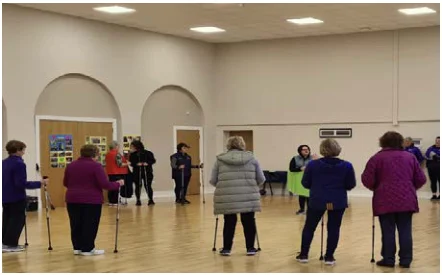
Figure 8.3 – Moore Community Hall at Lakeland, Ballydangan, County
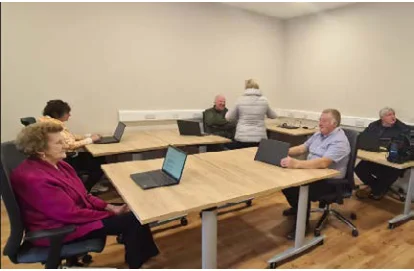
Figure 8.3 – Moore Community Hall at Lakeland, Ballydangan, County
This project received €55,250 from the NJTF. The photos show remote working and training facilities.
8.2.2.2 EU Just Transition Fund
The EU Just Transition Fund (JTF) is supporting the most affected regions in EU Member States to meet the challenges associated with achieving the EU’s climate targets for 2030 and climate neutrality by no later than 2050. It will invest in areas that will contribute to alleviating the impact of the transition, by financing the diversification and modernisation of the local economy, and by mitigating the negative repercussions on employment in the territories most impacted by the transition away from fossil fuel use. The Eastern and Midland Regional Assembly has been appointed as Managing Authority for Ireland’s EU JTF Programme, which will invest up to €169 million in the wider Midlands region in the period to 2027.
The Programme includes three complementary investment priorities which are designed to enhance the regional economy, address existing deprivation and rural depopulation, and place the region on a pathway to a more diverse and resilient economy based on climate neutrality.
Priority 1: Generating employment for former peat communities by investing in the diversification of the local economy
€38m will be invested, through Fáilte Ireland, in the economic diversification of the territory by supporting tourism investments in Midlands micro-enterprises, small and medium-sized enterprises (SMEs) and economic stakeholders in key sectors, allowing them to set-up, modernise, diversify, and expand; and develop the digital capabilities of tourism SMEs to make the most of opportunities offered by digitalisation;
49 Photos courtesy of Valerie Duff
€29 million will be provided, through Pobal, to support the implementation of bottom-up local and regional initiatives, which align with the priorities of the eight Local Economic and Community Plans and four Regional Enterprise Plans in the territory. This funding will support:
– Investments in infrastructure that contribute at a local level to improving the business and consumer environment, in particular projects in the green economy, circular economy and low carbon economy;
– Investments in infrastructure for the purposes of skills training, to enable people to return to work, transition within employment, or to remain in employment;
– Training or skills programmes that make a positive contribution to addressing climate change;
– Investments in heritage infrastructure, including the re-purposing of sites from industrial use
The Department of Agriculture, Food and the Marine (DAFM) will invest up to €20 million in development and innovation activities to contribute to the growth of a sustainable and circular bioeconomy, including fostering the transfer of advanced technologies, through living labs and demonstration initiatives, for sustainable, higher value products for new circular, resource-efficient biobased industries.
Priority 2: Supporting the rehabilitation and restoration of degraded peatlands and regeneration and repurposing of industrial heritage assets
The National Parks and Wildlife Service (NPWS) of the Department of Housing, Local Government and Heritage will invest €12 million in the rehabilitation and restoration of degraded wetlands across multiple project sites, encompassing research, education, stakeholder engagement activities, and the development of visitor amenities;
DAFM will provide up to €15 million for research, knowledge transfer and monitoring activities in relation to land management improvements for farmed peat soils under grass, to identify suitable land management practices to maintain low greenhouse gas (GHG) emissions and support biodiversity while farming under wet conditions;
Fáilte Ireland will provide up to €30 million to develop a network of trails, and for regeneration and repurposing of industrial heritage assets no longer to be used for the extraction, transport, and processing of peat.
Priority 3: Providing former peat communities with smart and sustainable mobility options to enable them to benefit directly from the green transition
The Department of Transport (DoT) and National Transport Authority will provide over €3 million for the decarbonisation of public local rural bus routes, including the purchase of electric buses and installation of charge points, supporting private bus operators in the territory to transition to electric vehicles;
€15million will be provided, through the DoT and Zero Emission Vehicles Ireland, for the installation of publicly available fast charge point infrastructure at community facility sites.
8.2.2.3 Enhanced Decommissioning, Rehabilitation and Restoration Scheme
The EU’s Recovery and Resilience Facility, through the National Recovery and Resilience Plan, is investing up to €108 million in the Enhanced Decommissioning, Rehabilitation and Restoration Scheme (EDRRS). The scheme aims to rehabilitate approximately 33,000 hectares of peatlands, across 82 Bord na Móna bogs, previously used for peat extraction for electricity generation. These rehabilitation works will take place over a period of 5 years. It is the largest programme of bog rehabilitation in the State’s history, involving a wide array of engineering and hydrology works designed to reinstate, encourage, and accelerate natural processes. In 2023, over 200 people worked on EDRRS, and the scheme will support up to 350 jobs over its lifetime. As of October 2023, over 15,000 hectares have been rehabilitated. Once rehabilitated, the peatlands will support peat forming habitats and a mosaic of wetlands, heathlands, grasslands, and native woodlands, protecting the storage of millions of tonnes of carbon, enhancing biodiversity, and contributing to Ireland’s target of carbon neutrality by no later than 2050, while developing the capacity of peatland communities to respond to challenges faced by transitioning to a net-zero economy.
8.2.2.4 EU LIFE Peatlands and People Integrated Project
The seven-year, €10 million EU LIFE Peatlands and People Project, with a consortium led by Bord na Móna, is continuing implementation in the Midlands under its three pillars:
Best-practice restoration and rehabilitation of peatlands for the reduction of GHGs and enhancing carbon storage potential, both in the integrated project and also of additional peatlands through complementary actions and dissemination activities;
A just transition accelerator programme, Accelerate Green, for innovation focusing on lowcarbon and circular economies to support the region economically;
Development of a Peoples Discovery Attraction to promote the importance of climate action, focusing on the role of peatlands and behavioural change, with a long-term objective to establish an educational space that cultivates curiosity and climate literacy, providing a forum for dialogue and discovery. A number of locations in the Midlands are being considered at present for the location of this attraction.
8.2.3 Training, Education and Enterprise Supports
8.2.3.1 Midlands Regional Enterprise Plan 2022 – 2024
Led by the regional enterprise steering committees, the MREP has been prepared using a bottom-up, collaborative approach involving Local Authorities, IDA Ireland; Enterprise Ireland; Local Enterprise Offices (LEOs); Local Authorities; Higher and Further Education Bodies, and businesses. The MREP has a dedicated objective to transition to a net-zero economy with associated actions.
8.2.3.2 Green Skills
Laois Offaly Education and Training Board (LOETB), in partnership with Teagasc, and Gurteen and Mountbellew Agricultural Colleges, is providing courses to part-time farmers in sustainable agricultural and horticultural practices and peatland rehabilitation. Programmes available include the Sustainable Agriculture Traineeship and a series of bespoke modular programmes, including Lean Agriculture. LOETB, in collaboration with the Office of Public Works, SOLAS and the NPWS, is also developing two new training programmes on Nature Skills Training, one aimed at contractors who undertake works in sensitive natural environments and the other focussed on managers in local government and State Agencies who are involved in tendering and procurement for works in and around sensitive environments, including protected habitats. This course sets out relevant legislation, ecological awareness, biosecurity, pollution prevention, and awareness of invasive species.
Taking a tertiary approach to green skills and the digital economy, Education and Training Boards are partnering technological universities (Shannon, Atlantic and South- East) offering pathways from Quality and Qualifications Ireland (QQI) Levels 3 to 8, to addressing specific skills gaps related to the green (digital) economy. This will equip people with the knowledge and skills to play an active role in climate change and live more sustainable lifestyles and enhance the development of sustainable rural communities, providing people with the capacity to transition to green and digital societies and economies. These courses are providing accessible opportunities to gain competencies that are valued and sought after in the labour markets of today and tomorrow.
8.2.3.3 Modern Methods of Construction
The establishment of a National Construction Training Centre and demonstration park in Mount Lucas, County Offaly, committed to in Housing for All, will bring new opportunities to the Midlands, as an accessible and interactive location for applied research, training and demonstration, reflecting the current and future needs of the housing sector. Those working in the built environment will be targeted for training and reskilling which will:
Inform and support innovation within the built environment through the introduction of modern methods of construction methodologies and techniques;
Create innovative education and demonstration facilities that include live testing (research) and training (skills development);
Promote sustainability and the circular economy in the built environment.
Bord na Móna continues to offer subsidised re-training supports, through LOETB, including a new 5-month Start Your Own Business Traineeship programme to enable a transition from employment to entrepreneurship. This includes class-based tuition, workshops, self-directed learning, and work-based experiential learning and mentoring on a full-time basis. Bord na Móna will provide seed investment to successful start-ups, building on the company’s successful Accelerate Green programme. Offaly LEO is a key partner on the programme offering support and mentoring to participants.
8.2.4 Renewable Energy Infrastructure and Geological Resources
Bord na Móna, the ESB and several private energy companies have announced investment plans for the region, which will support continued employment growth over the coming years. Supports for the development of community-based energy master plans are led by the Sustainable Energy Authority of Ireland (SEAI). This will provide a strong platform for community participation in future calls under the Renewable Electricity Support Scheme.
The SEAI Sustainable Energy Communities Programme continues to support Midlands communities, through local mentors and co-ordinators, on their decarbonisation journey. The mentors provide free guidance on how to form a sustainable energy community and develop an energy master plan, including establishing a baseline for energy used in the community and a register of opportunities for projects. By the end of 2024, it is estimated that investment of €450,000 will have supported the development of 30 energy master plans in the Midlands region.
The Geological Survey of Ireland will carry out a range of investigations and evaluate the geological potential of the Midlands, including producing a map and report outlining available resources and potential associated management considerations. It will also evaluate the possibility for communities and local economies to use resources, such as groundwater or geothermal energy, as part of the just transition, including assessing the feasibility of their use.
Pages 100–106 · View in original PDF