6 Buildings
6 Buildings
Buildings Emissions Context
Share of GHGs
Emissions from buildings, which includes residential homes,
in Ireland in
commercial premises and public services buildings, were
2021
responsible for 12.3% of Ireland’s emissions in 2021.
12.3%
Emissions in the residential sector decreased by 4.9% in 2021
(Figure 8), from an inflated position in 2020 due to remote
working. Emissions from commercial and public buildings also
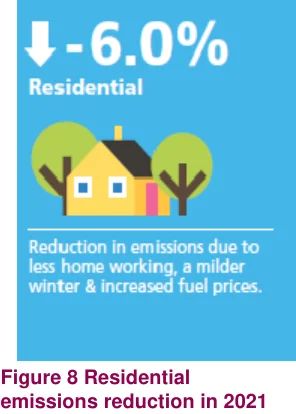
Figure from page 21
decreased in 2021, in keeping with wider reduction trends in both
sectors (Figure 9 and 10).
CAP23 focuses on enhancing home heating efficiencies and
investing in renewable heating to reduce emissions. CAP 21
retrofit and heat pump targets remain in CAP23, including
500,000 home retrofits by 2030, and the installation of 680,000
heat pumps across new and existing buildings.
CAP23 brings an increased focus on district heating compared to
previous CAPs, targeting up to 2.5 TWh of district heating
Figure 8 Residential emissions reduction in 2021
installed capacity by 2030. Improved building regulations will
also require that all new dwellings are built to Nearly Zero
Energy Building (NZEB) standard by 2025, and Zero Emission Building (ZEB) standard by
- Finally, roadmaps to decarbonise commercial and public building stocks are also a
priority in CAP23 along with the exploration of other novel heating sources such as
renewable gas and geothermal energy.
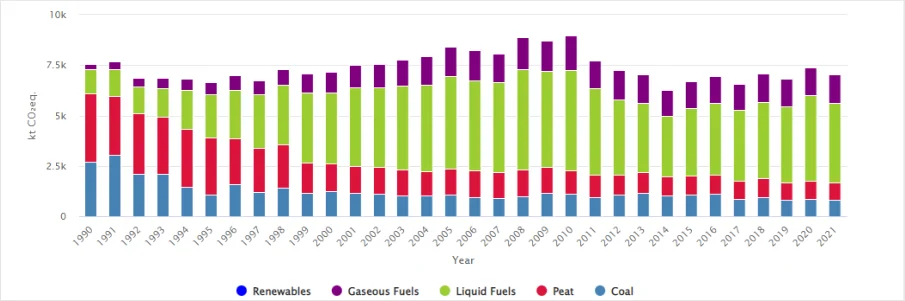
Figure 9 Residential emissions trends 1990-2021 (EPA, 2022)
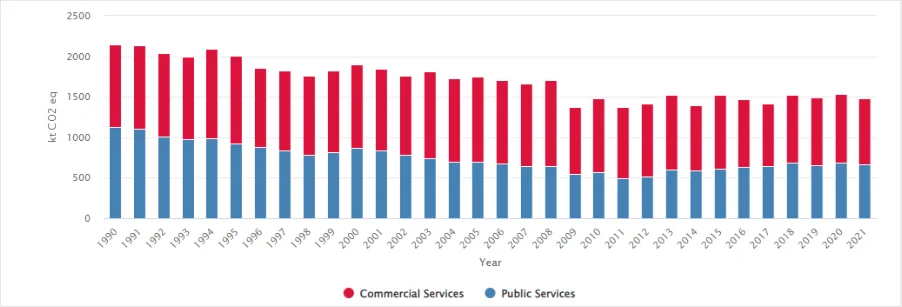
Figure 10 Commercial and public building emissions trends 1990-2021 (EPA 2022)
| In Focus in Q1 2023: Buildings | ||
| Did You Know? In the residential rental sector, the incentives to invest in energy | ||
| efficiency upgrades are misaligned between landlords and tenants, i.e. the benefits of | ||
| retrofitting a house or apartment for warmer, more comfortable and cheaper-to-run | ||
| homes do not primarily accrue to the person who pays for the transaction. This can | ||
| impact negatively on the energy performance of the sector and in ensuring a Just | ||
| Transition for those who rent. | ||
| What’s new? A new tax incentive for small-scale landlords was enacted this quarter to | ||
| encourage retrofitting in rental properties while the tenant remains living there. This | ||
| measure provides for a tax deduction of up to €10,000 per property for certain residential | ||
| retrofitting expenses incurred by the landlord, for a maximum of two rental properties. | ||
| The aim is to retain small-scale landlords in the market, while also improving rental | ||
| housing, ensuring more comfortable homes for tenants and reducing emissions from | ||
| buildings. |
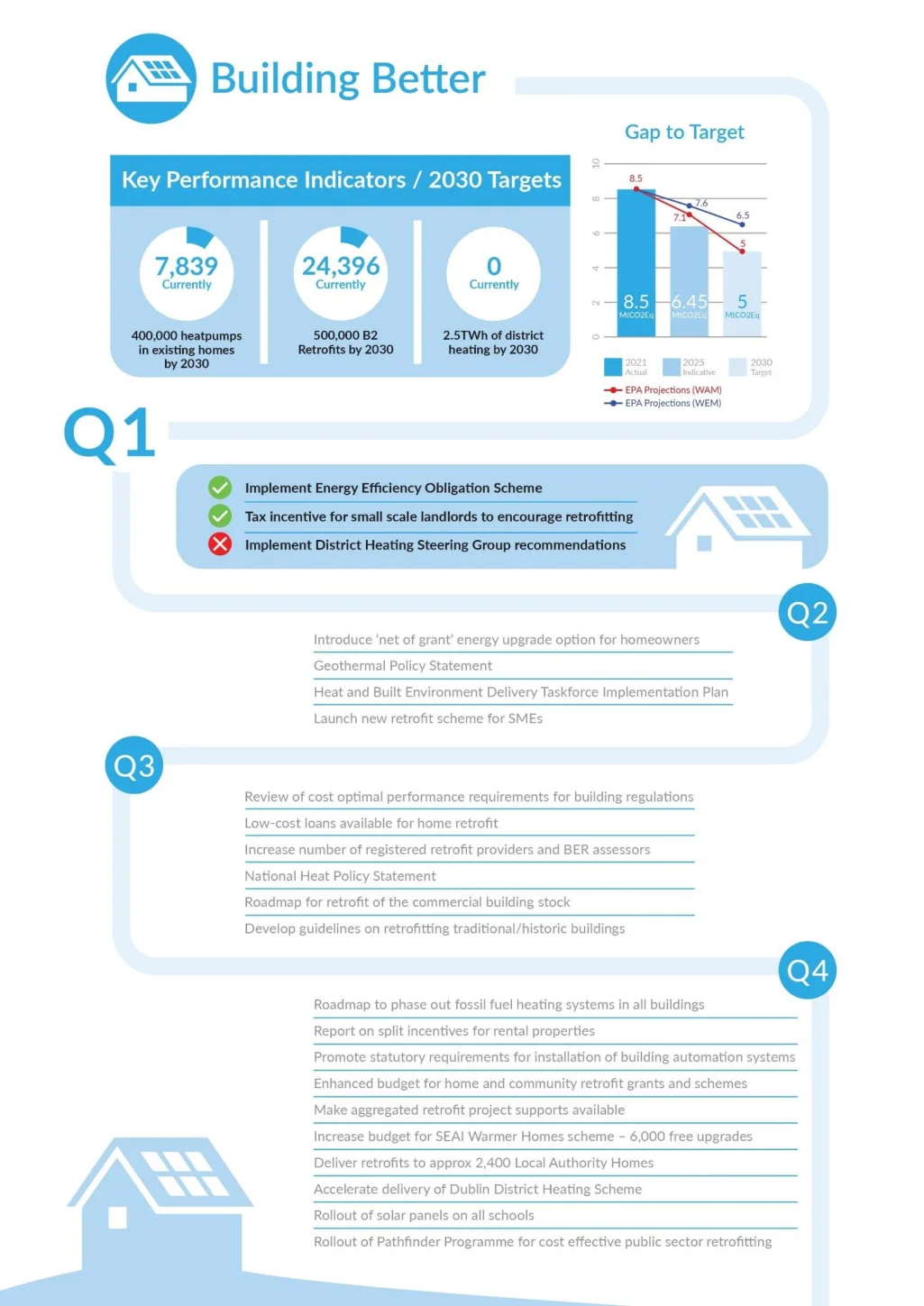
Figure from page 23
Pages 21–23 · View in original PDF